
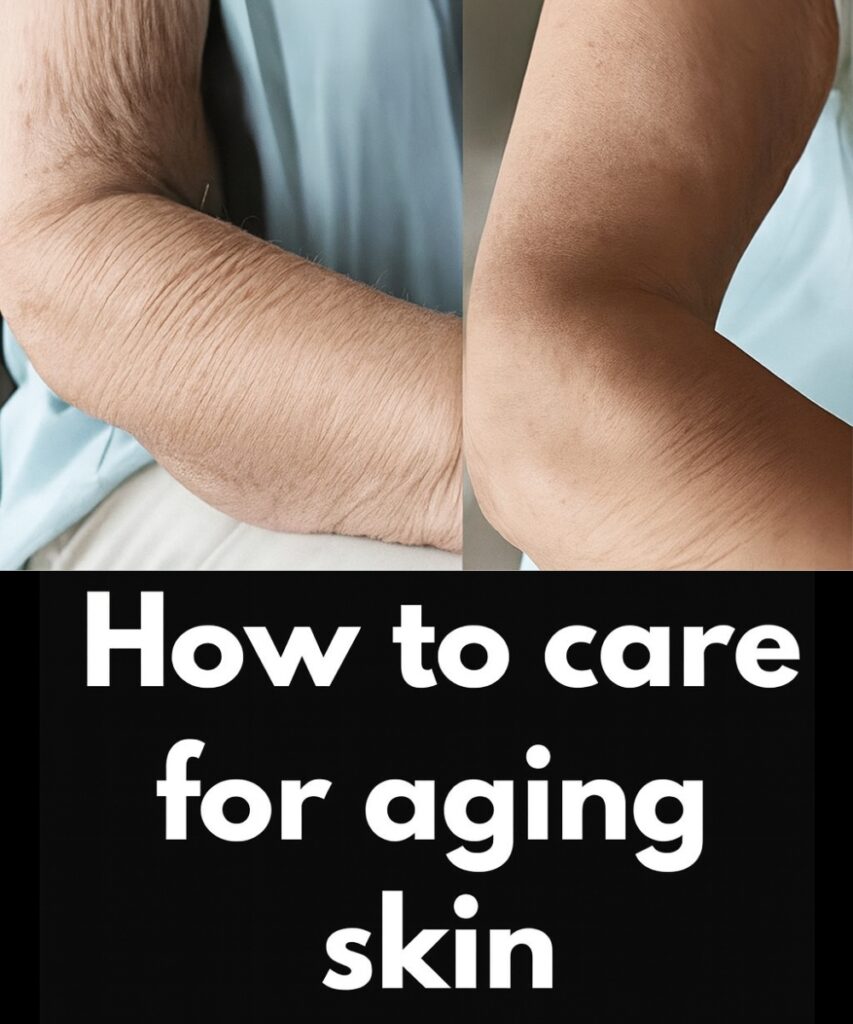
How to Care for Aging Skin and Keep Your Glow at Any Age
Aging is natural — but losing your radiance doesn’t have to be. As time passes, the skin becomes thinner, drier, and more sensitive. A fine line here, a dark spot there… the mirror may point them out, but they don’t define your beauty. With the right habits and a consistent routine, mature skin can remain luminous, healthy, and full of life.
This guide breaks down simple, effective steps anyone can follow to protect, hydrate, and revive aging skin naturally.
The Golden Trio: Cleanse, Hydrate, Protect
Mature skin thrives on gentleness and regular care. Everything starts with the basics:
1. Gentle cleansing
Use a mild, alcohol-free cleanser morning and night. Harsh cleansers strip moisture and weaken the skin barrier, making fine lines and dryness more noticeable. Follow with a soothing toner to balance the skin and prepare it for hydration.
2. Deep hydration
Hydration is non-negotiable. Look for moisturizers containing:
Hyaluronic acid for plumping
Ceramides for barrier repair
Nourishing plant oils like argan, jojoba, or rosehip
These ingredients restore elasticity, softness, and a natural glow.

3. Daily sun protection
The sun is the number one accelerator of skin aging. Apply SPF 30 or higher every single day — even indoors or in winter. Urban light and visible light also contribute to pigmentation and wrinkles. Hats, sunglasses, and the shade are powerful allies.
Anti-Aging Creams: Choose Wisely, Not Excessively
You don’t need a shelf full of serums. What matters is choosing proven ingredients and using them consistently.
The most effective anti-aging actives include:
Retinol to boost cell renewal and smooth wrinkles
Vitamin C for brightening and antioxidant protection
Peptides to support firmness and collagen production
Apply your creams using circular, upward motions. This helps absorption and stimulates blood flow — a simple massage that enhances results.
Skin Tip: Light facial massage boosts circulation and can make your products work even better.
Don’t Forget the Areas That Reveal Your Age First
The eyes, lips, neck, and chest often show aging before the face.

Eye area
Use formulas specifically designed for the delicate under-eye region. Fragrance-free, lightweight creams help soften fine lines and reduce puffiness.
Neck & chest
The skin here is thinner and needs extra care. Apply your moisturizer or anti-aging cream in upward strokes to support firmness and prevent sagging.
Lips
Hydrate daily and consider gentle exfoliation once a week to smooth dryness.
Sun: Enemy or Ally?
Sunlight is essential for mood and vitamin D — but without protection, it contributes heavily to wrinkles, spots, and loss of elasticity. Balance is key. Enjoy the sun safely with SPF, shade, and protective accessories.
Nutrition: Beauty Starts in the Kitchen
A glowing complexion reflects what you eat. Antioxidant-rich foods help fight free radicals and support smoother, firmer skin.
Add more of the following to your plate:
Berries, carrots, spinach, avocados, and green tea
Omega-3 sources: chia seeds, walnuts, salmon, sardines
Zinc-rich foods: pumpkin seeds, beans, oats

Probiotics like natural yogurt to support the skin microbiome

Healthy eating enhances elasticity, brightness, and overall resilience from the inside out.
FAQ — Aging Skin Care
Do I need expensive products to care for aging skin?
No. What truly matters is choosing effective ingredients and applying them consistently.
When should I start using anti-aging products?
Prevention can begin early, but after age 30 it becomes especially beneficial.
Does sunscreen matter indoors?
Yes. Visible light and some UV rays can pass through windows and contribute to aging.
Is diet as important as skincare?
Absolutely. Nutrition plays a major role in skin repair, balance, and long-term vitality.
