Helicobacter pylori – What It Is, Key Symptoms, Causes & Prevention
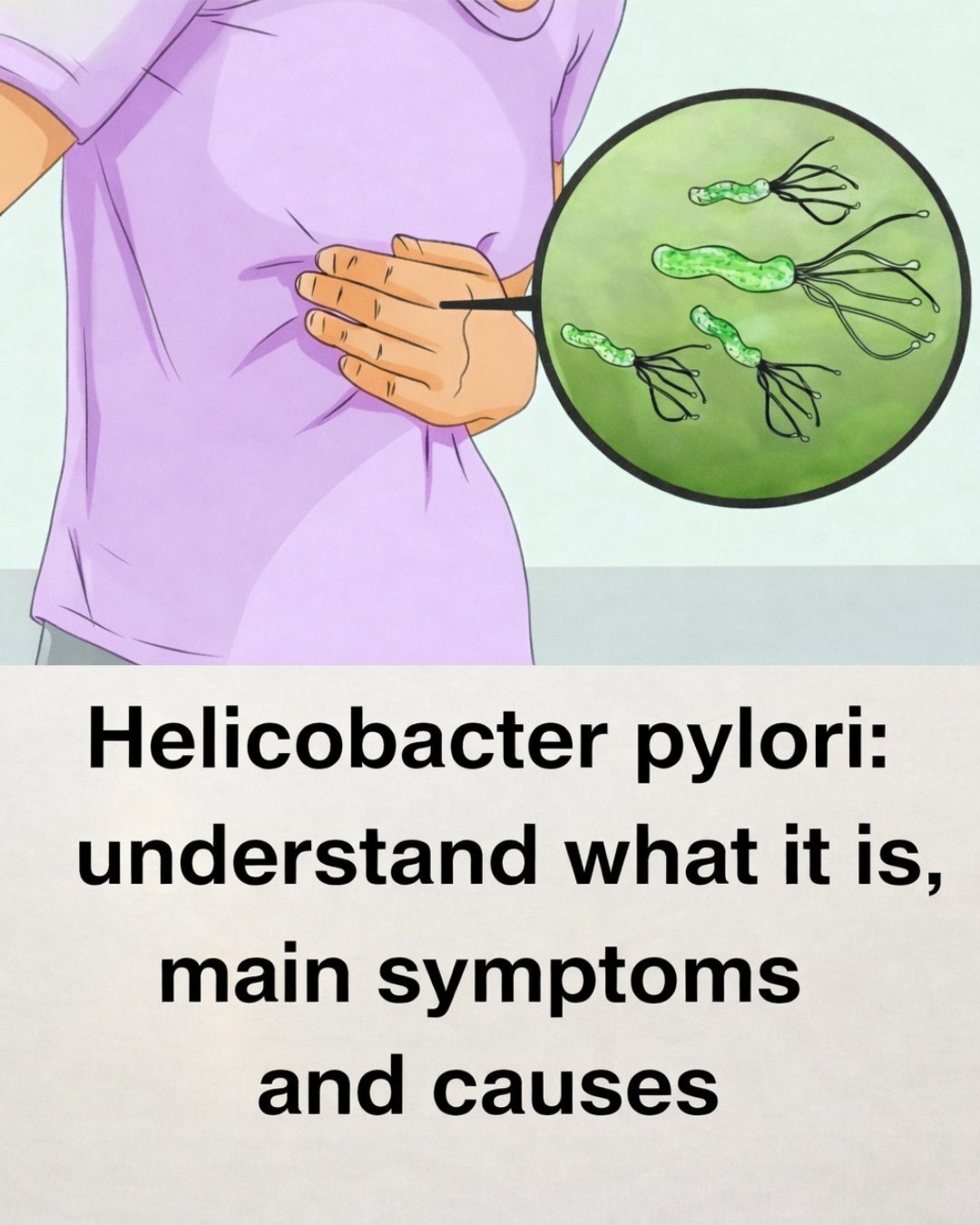
Helicobacter pylori (H. pylori) is a type of spiral-shaped bacterium that lives in the protective lining of the stomach and upper small intestine. It’s one of the most common bacterial infections worldwide, affecting a large portion of people — often without causing any symptoms. However, in many cases it can lead to digestive issues, inflammation, ulcers, and even increase the risk of stomach cancer when left untreated.
What Is Helicobacter pylori?
H. pylori is a bacterium uniquely adapted to survive the acidic environment of the stomach. It produces an enzyme called urease that neutralizes stomach acid around it, allowing the bacterium to burrow into the stomach lining and persist for years, sometimes decades.
For most people, carrying H. pylori doesn’t cause symptoms. But because it can irritate and inflame the gastric mucosa, some individuals go on to develop chronic gastritis, peptic ulcers, or more serious digestive conditions.
Common Symptoms of H. pylori Infection
Many people infected with H. pylori don’t notice any symptoms at all. When symptoms do occur, they usually come from inflammation of the stomach lining or from ulcers in the stomach or duodenum. Common signs include:
Abdominal pain or burning — especially when the stomach is empty
Bloating and frequent burping
Nausea or occasional vomiting
Loss of appetite or early fullness

Unintended weight loss
Indigestion-like discomfort

These symptoms can vary in intensity and might come and go over time. In severe cases — especially when ulcers are present — people may experience dark, tarry stools or vomiting blood, both of which require immediate medical attention.
What Causes H. pylori Infection?
H. pylori spreads most often through direct contact with saliva or fecal matter from an infected person. This can happen when individuals share eating utensils, kiss, or do not practice proper hand hygiene after using the restroom.
Poor sanitation and crowded living conditions also increase the risk of infection. Contaminated food and water may serve as transmission sources, particularly in areas where access to clean water is limited.
Long-Term Risks and Complications
While many infected people never become ill, H. pylori infection can lead to significant complications when untreated:
Gastritis: chronic inflammation of the stomach lining
Peptic ulcers: open sores in the stomach or upper intestine
Increased risk of stomach cancer: persistent infection has been linked to gastric cancer development in a small percentage of people over time

Because the bacteria can reside in the stomach for years, early diagnosis and treatment help reduce long-term complications.
How Is H. pylori Diagnosed and Treated?
If your doctor suspects H. pylori infection, they can use several tests:
Breath test: checks for bacterial activity
Stool antigen test: detects bacterial proteins
Blood test: looks for antibodies (less commonly used)
Endoscopy with biopsy: examines stomach tissues directly
Treatment usually involves a combination of antibiotics and acid-reducing medications to kill the bacteria and promote healing of the stomach lining. Complete eradication is essential to prevent recurrence and reduce cancer risk.

Tips for Prevention
You can reduce the risk of H. pylori infection by:
Washing hands thoroughly after using the bathroom and before meals
Drinking water from safe, clean sources
Avoiding shared utensils or contaminated food preparation
Good hygiene and safe food practices are especially important in places with limited sanitation, where infection rates tend to be higher.
Final Thoughts
Helicobacter pylori is a widespread bacterial infection that often causes no symptoms yet can lead to significant digestive disorders when active. Understanding the symptoms, causes, and ways to prevent and treat this infection helps protect your digestive health and reduce long-term risks.