
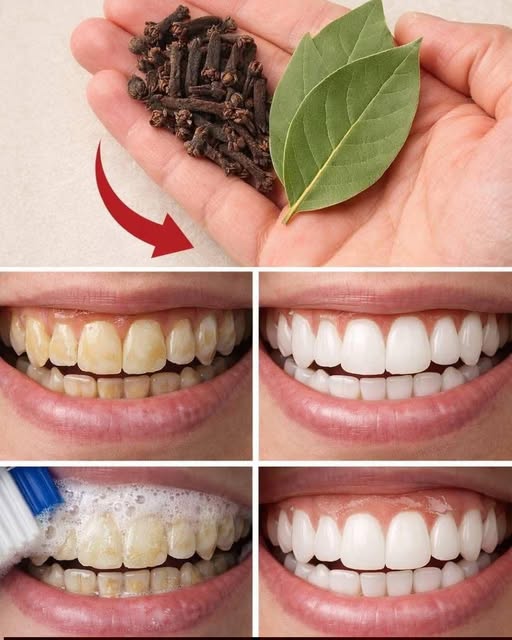
A bright, clean smile isn’t only about appearance—it’s also a sign of healthy daily habits. However, tartar (hardened plaque) can slowly build up on teeth without you noticing. Over time, it may make teeth look dull and can contribute to bad breath, gum irritation, and cavities if it isn’t managed properly.
This guide explains why tartar forms, the safest ways to remove it, and simple habits that can help maintain a naturally brighter smile—without relying on risky or misleading methods.
What Is Tartar (And Why Does It Form)?
Dental plaque is a sticky layer of bacteria that forms on teeth every day, especially after eating. When plaque isn’t removed properly through brushing and flossing, it can harden into tartar, also known as dental calculus.
Once tartar forms, it sticks firmly to the surface of teeth and often gathers along the gumline, making it difficult to remove at home.
Common Reasons Tartar Builds Up
Brushing less than twice per day
Skipping flossing, allowing plaque to remain between teeth
Frequent consumption of sugary or starchy foods
Smoking or chewing tobacco
Low saliva production (saliva helps neutralize acids and wash away food particles)
Regular consumption of staining drinks like coffee, tea, or red wine
If tartar remains on teeth for too long, it can lead to gum inflammation (gingivitis), persistent bad breath, and potentially more serious gum problems.
How to Remove Tartar Safely and Effectively
It’s important to understand that once plaque hardens into tartar, it usually cannot be removed safely at home. The most effective approach combines good daily oral hygiene with professional dental care.
1. Professional Dental Cleaning
The most reliable way to remove tartar is through a professional dental cleaning, also called scaling or prophylaxis.
Benefits include:
Thorough tartar removal, even in hard-to-reach areas
Reduced risk of gum disease
A noticeably cleaner and smoother feeling for teeth
Most people benefit from a cleaning every six months, though your dentist may recommend a different schedule depending on your oral health.
2. Brush Correctly and Consistently
Brushing twice a day is essential, but proper technique matters more than brushing harder.
Tips for effective brushing:
Use a soft-bristled toothbrush
Angle the brush toward the gumline
Brush for at least two full minutes
Replace your toothbrush or brush head every three months

Many people find electric toothbrushes helpful because they maintain consistent motion and improve cleaning efficiency.
3. Floss or Use Interdental Brushes Daily
Toothbrushes can’t reach every area, especially between teeth where plaque easily accumulates.
Daily flossing helps:
Remove plaque before it hardens into tartar
Protect gums from irritation and inflammation
If traditional floss is difficult to use, interdental brushes or water flossers can be effective alternatives.
4. Use a Gentle Mouthwash
Alcohol-free antibacterial mouthwash can support oral hygiene by reducing bacteria and freshening breath.
Look for mouthwashes that contain:
Fluoride for enamel protection
Essential oils that help reduce bacteria
Use mouthwash as directed, since excessive use of strong antiseptics may disrupt the natural balance of bacteria in the mouth.
Gentle At-Home Habits That May Help Reduce Plaque
While these habits won’t remove hardened tartar, they may help slow plaque buildup and reduce staining.
Baking Soda (Occasional Use)
Baking soda can help neutralize acids and lightly polish surface stains.
Safe method:
Mix a small pinch with toothpaste or water
Brush gently for about 30 seconds
Limit use to once per week to avoid excessive abrasion
Coconut Oil Pulling
Oil pulling is a traditional practice some people use for oral freshness.
How to do it:
Swish 1 tablespoon of coconut oil in your mouth for 10–15 minutes
Spit it into a trash bin (not the sink)
Rinse your mouth and brush your teeth afterward

This can be done two to three times per week if it feels comfortable.
Citrus Peels (Use With Caution)
Some online trends suggest rubbing teeth with lemon or orange peels. Because citrus is acidic, frequent use may irritate enamel.
If you try this method:
Use it rarely
Avoid aggressive scrubbing
Rinse your mouth with water afterward
How to Achieve a Naturally Brighter Smile
A whiter-looking smile usually comes from reducing stains and protecting enamel, rather than using harsh bleaching methods.
1. Eat Crunchy Fruits and Vegetables
Certain foods help clean the tooth surface while chewing.
Examples include:
Apples
Celery
Raw carrots
Strawberries (often mentioned for mild stain reduction)
These foods do not bleach teeth but may help remove residue.
2. Reduce Staining Habits
Common stain-causing items include:
Coffee and tea
Red wine
Dark sauces like soy sauce and ketchup
Sugary sodas and energy drinks
A simple habit that helps: drink water or rinse your mouth after consuming these foods or beverages.
3. Be Careful With DIY Whitening Methods
Some popular internet remedies can damage enamel if overused.
For example:
Baking soda with lemon – lemon’s acidity may weaken enamel
Activated charcoal – can be abrasive
Strawberry and baking soda mixtures – should only be used occasionally

For noticeable whitening results, dentist-supervised whitening treatments are generally safer and more predictable.
A Simple Daily Routine for a Healthy Smile
Maintaining clean, bright teeth can be simple with consistent habits:
Brush twice daily for two minutes
Floss once per day
Use fluoride toothpaste
Rinse with water after staining foods or drinks
Schedule regular dental checkups and cleanings
Avoid smoking or tobacco use
When to See a Dentist
You should consider visiting a dentist sooner if you notice:
Bleeding gums that don’t improve
Persistent bad breath
Increasing tooth sensitivity
Visible tartar near the gumline
Pain when chewing
These symptoms may indicate more than just surface buildup, and early treatment helps prevent more serious problems.
Final Thoughts
A bright smile isn’t just about whitening—it’s about maintaining healthy teeth and gums. By practicing good oral hygiene, preventing stains, and scheduling regular professional cleanings, you can keep your smile looking fresh and healthy for years to come.
Disclaimer:
This article is for informational purposes only and should not replace professional dental or medical advice. Always consult a qualified dentist or healthcare provider for concerns about your oral health.
