
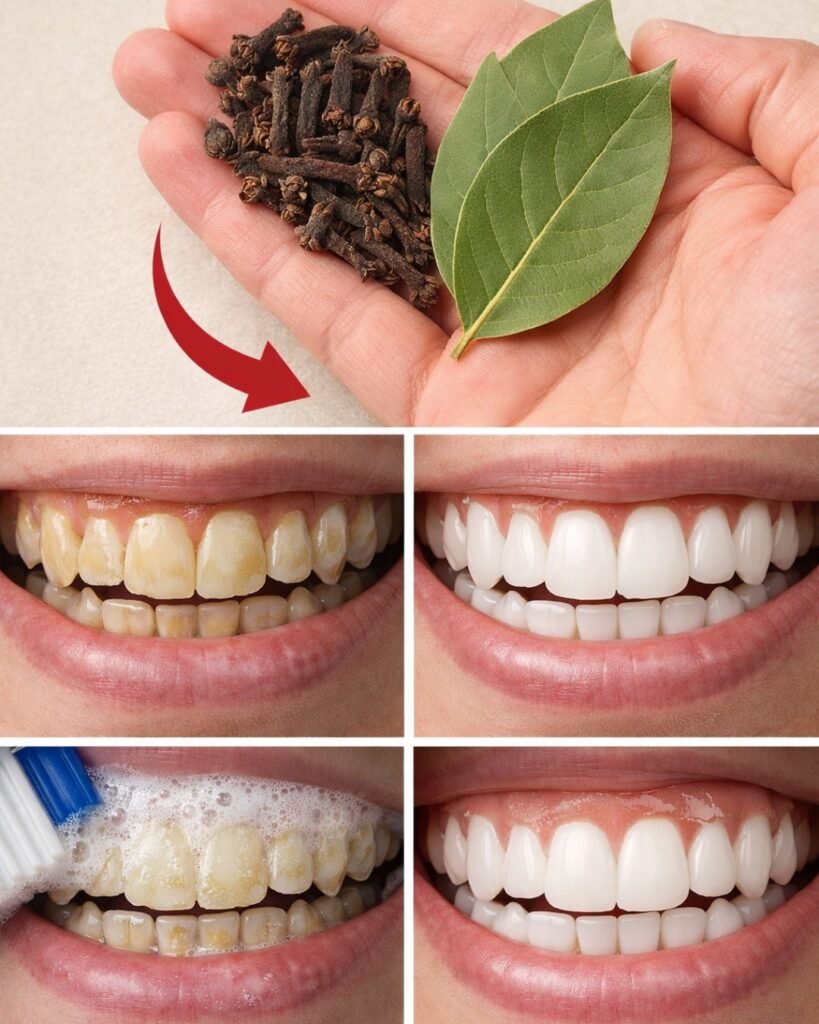
A clean, bright smile isn’t just about looks—it’s often a sign of good daily care. The problem is that tartar (hardened plaque) can build up quietly, making teeth look dull and sometimes contributing to bad breath, gum irritation, and cavities if it’s left alone.
This guide explains why tartar forms, what actually works to remove it safely, and gentle ways to support a whiter-looking smile—without making risky claims or using harsh hacks.
What Is Tartar (And Why Does It Form)?
Dental plaque is a sticky film of bacteria that forms on teeth every day—especially after eating. If plaque isn’t removed well, it can harden into tartar (also called calculus). Once hardened, tartar clings strongly to teeth and often collects near the gumline.
Common reasons tartar builds up
Inconsistent brushing (less than twice a day)
Skipping flossing, where plaque hides between teeth
Frequent sugary or starchy snacks
Smoking or chewing tobacco
Low saliva flow (saliva helps rinse and balance acids)
Staining drinks (coffee, tea, red wine) consumed often
When tartar stays in place too long, it may lead to gum inflammation (gingivitis), stubborn bad breath, and sometimes more serious gum issues.
How to Remove Tartar Safely and Effectively
Here’s the honest truth: You can prevent plaque from hardening at home, but removing established tartar usually requires a professional cleaning. The safest approach is a mix of smart home care + dental visits.
1) Professional dental cleaning (the fastest, safest option)
A dental cleaning (prophylaxis/scaling) is the most reliable way to remove tartar without harming enamel.
Why it helps: tartar is fully removed, including hard-to-reach areas
How often: many people benefit from every 6 months, or at least once a year (depending on your dentist’s advice)
2) Brush the right way (and don’t rush it)
Brushing twice daily is good—but technique matters more than force.
Use a soft-bristle brush
Angle the brush gently toward the gumline
Brush for 2 full minutes

Replace your brush (or brush head) every 3 months
Tip: An electric toothbrush can make technique easier for many people.
3) Floss or use interdental brushes daily
Tartar loves the places a toothbrush misses. Flossing removes plaque before it hardens.
Floss once a day, gently
If floss is difficult, try interdental brushes or a water flosser
4) Alcohol-free antibacterial mouthwash (supportive, not magical)
A gentle mouthwash can help lower bacterial load and support fresher breath—especially at night.
Look for options with fluoride or essential oils
Use as directed (overuse of strong antiseptics isn’t always ideal)
Gentle “At-Home” Habits That Help Reduce Buildup
These won’t “chip off tartar” safely (and you shouldn’t try), but they can help keep plaque under control and slow staining.
Baking soda (occasional, gentle use)
Baking soda can help neutralize acids and lightly polish surface stains.
How to use (safe approach):
Mix a small pinch with toothpaste (or water)
Brush gently for 30 seconds
Limit to once a week to avoid over-polishing
Coconut oil pulling (optional support)
Some people use oil pulling as a traditional routine for mouth freshness.
How:
Swish 1 tablespoon coconut oil for 10–15 minutes
Spit into a trash bin (not the sink)
Rinse and brush afterward
Do this 2–3 times per week if it feels good for you.

Citrus peels (be careful)
Rubbing teeth with lemon/orange peel is popular online, but citrus is acidic and can irritate enamel if overdone. If you try it, keep it rare—and don’t scrub aggressively.
Safer alternative: rinse with water after acidic foods/drinks.
How to Make Teeth Look Whiter Naturally (The Smart Way)
A naturally brighter smile usually comes from:
keeping plaque down
reducing stains
protecting enamel
1) Foods that help “clean” the surface as you chew
These don’t bleach teeth, but they can reduce residue:
Apples and celery (crisp texture)
Raw carrots
Strawberries (popular for surface stain support)
2) Limit enamel-staining habits (without giving up everything)
Main stain contributors:
coffee, tea, red wine
dark sauces (soy sauce, ketchup)
sugary sodas and energy drinks
Simple trick: drink water afterward or rinse your mouth to reduce staining.
3) Home whitening “remedies”: what to use carefully
Some trendy methods can be too harsh. Here’s a safer take:
Baking soda + lemon: use very rarely. lemon is acidic and may weaken enamel.
Activated charcoal: can be abrasive; if you use it, keep it occasional and gentle.
Strawberry + baking soda: popular, but still use sparingly.

If you want noticeable whitening, dentist-supervised whitening is usually safer and more predictable than aggressive DIY mixes.
Daily Routine for a Cleaner, Brighter Smile (Simple Plan)
Brush 2x/day for 2 minutes
Floss 1x/day
Use a fluoride toothpaste
Rinse with water after coffee/tea/dark foods
Schedule cleanings regularly
Avoid smoking (one of the biggest stain triggers)
When to See a Dentist Soon
Get help sooner if you notice:
bleeding gums that don’t improve
persistent bad breath
tooth sensitivity that worsens
visible tartar along the gumline
pain when chewing
These can be signs that more than “surface buildup” is going on—and early care makes everything easier.
Final Thoughts: A White Smile Is Also a Healthy Smile
Removing tartar and improving tooth brightness isn’t about chasing perfection—it’s about protecting gums, enamel, and comfort. With consistent daily habits, smart stain prevention, and professional cleanings when needed, you can keep your smile looking fresh for years.
