
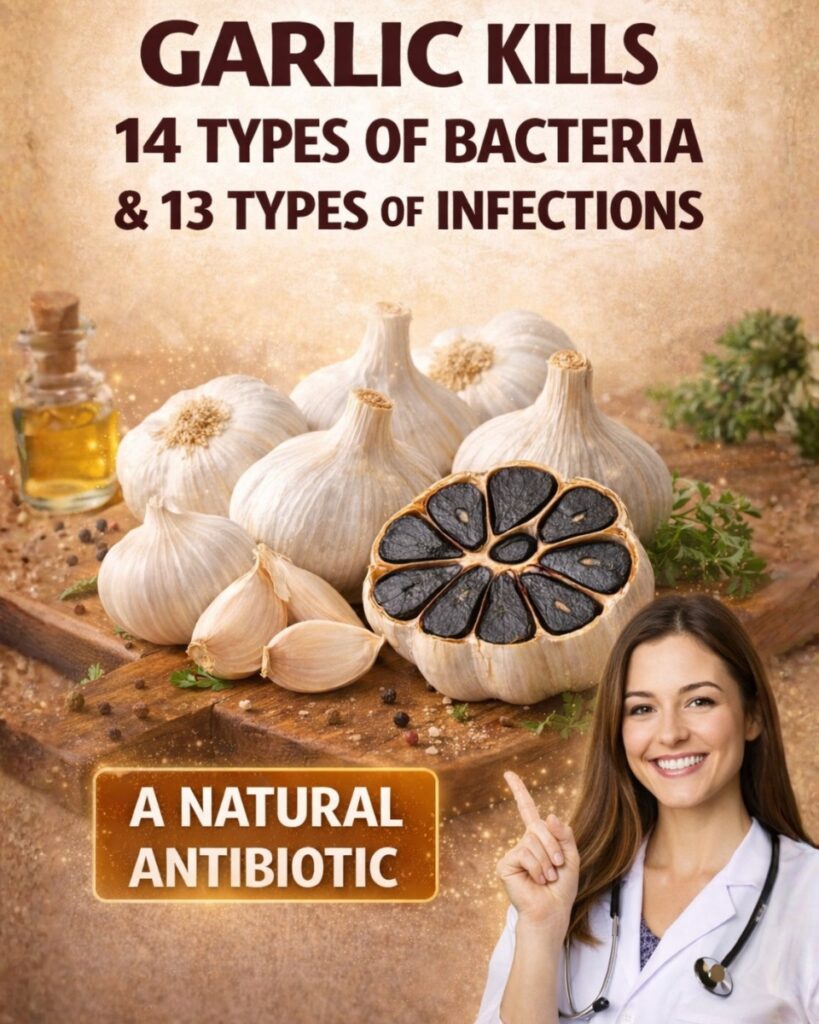
garlic has been valued for centuries not only as a flavorful kitchen ingredient but also as a traditional remedy in many cultures. From Mediterranean cooking to Asian herbal traditions, this small bulb has long been associated with supporting the body’s natural defenses.
Modern research has begun exploring garlic’s bioactive compounds and their possible role in helping the body manage certain microbes. Some laboratory studies suggest that garlic contains substances that may affect multiple types of bacteria. While it should never replace medical treatment, garlic can be a valuable part of a balanced, health-supportive lifestyle.
In this article, you’ll discover how garlic works, the science behind its natural compounds, how to consume it properly, and why many people include it in their daily wellness routine.
Why garlic Is Often Called a “Natural Antibiotic”
One of garlic’s most studied compounds is allicin. This substance forms when fresh garlic is crushed or chopped. Allicin is responsible for garlic’s strong aroma and many of its biological properties.
Researchers have found that allicin may help support the body’s natural defense mechanisms by interacting with certain microorganisms. In laboratory settings, garlic extracts have demonstrated activity against a variety of bacterial strains.
Scientists believe garlic compounds may work by:
• Interacting with bacterial cell membranes
• Slowing the growth of certain microbes
• Supporting the body’s natural immune responses
It is important to note that these findings mainly come from laboratory studies, and garlic should be viewed as a supportive food rather than a replacement for medical antibiotics.
Types of Bacteria Studied in garlic Research
Several scientific studies have examined garlic’s interaction with different bacterial species. Laboratory research has explored its activity against bacteria such as:
Escherichia coli (E. coli)
Salmonella species

Staphylococcus aureus
Helicobacter pylori
Listeria monocytogenes
Pseudomonas aeruginosa
Mycobacterium tuberculosis

These studies help researchers better understand garlic’s potential antimicrobial properties. However, results observed in laboratories do not always translate directly to human health outcomes, so garlic should be seen as a nutritional support food rather than a cure.
Additional Health Benefits of garlic
Beyond its antimicrobial reputation, garlic contains a variety of plant compounds that may support overall health.
1. Supports the immune system
garlic contains antioxidants and sulfur compounds that may help the body maintain a balanced immune response.
2. May Help Support heart health
Some research suggests garlic may help maintain healthy blood pressure and circulation when included as part of a balanced diet.
3. Supports Healthy Circulation
garlic’s compounds may help promote healthy blood flow and vascular function.
4. Antioxidant Properties
garlic contains antioxidants that help the body manage oxidative stress.

5. Anti-Inflammatory Compounds
Some components in garlic may help support the body’s natural inflammatory balance.
How to Consume garlic for Maximum Benefits
To obtain the greatest nutritional value from garlic, preparation matters.
Raw garlic
Crushing or chopping garlic activates allicin formation.
A simple approach is:
Crush or finely chop 1–2 cloves of fresh garlic
Let it rest for about 10 minutes to activate the compounds
Consume it raw, or mix it with honey, olive oil, or spread on bread
garlic Infusion
A warm garlic drink is sometimes used in traditional home remedies.
Basic preparation:
• Hot water
• Crushed garlic
• Fresh ginger
• lemon juice
This type of infusion is often used during colder months as a comforting drink.

Avoid Excessive Heat
High temperatures may reduce some of garlic’s active compounds. For cooking, it can be helpful to add garlic near the end of the preparation to preserve more of its natural properties.
Precautions and Moderation
Although garlic is generally safe when consumed as food, moderation is important.
Possible considerations include:
• Strong breath or body odor
• Stomach irritation in sensitive individuals
• Potential interaction with blood-thinning medications
People who are pregnant, breastfeeding, or taking medication should consult a healthcare professional before consuming large amounts of garlic or garlic supplements.
Conclusion: A Simple Food With Remarkable Traditional Value
garlic continues to be one of the most respected foods in traditional nutrition and herbal traditions. While it should not replace professional medical care, including garlic in a balanced diet may support overall wellness.
Its unique combination of sulfur compounds, antioxidants, and plant nutrients makes garlic a simple yet powerful addition to everyday meals.
Sometimes, the most valuable wellness habits begin with ingredients already in our kitchen.
Adding garlic to your daily cooking may be one small step toward supporting your body’s natural defenses and long-term well-being. 🌿
