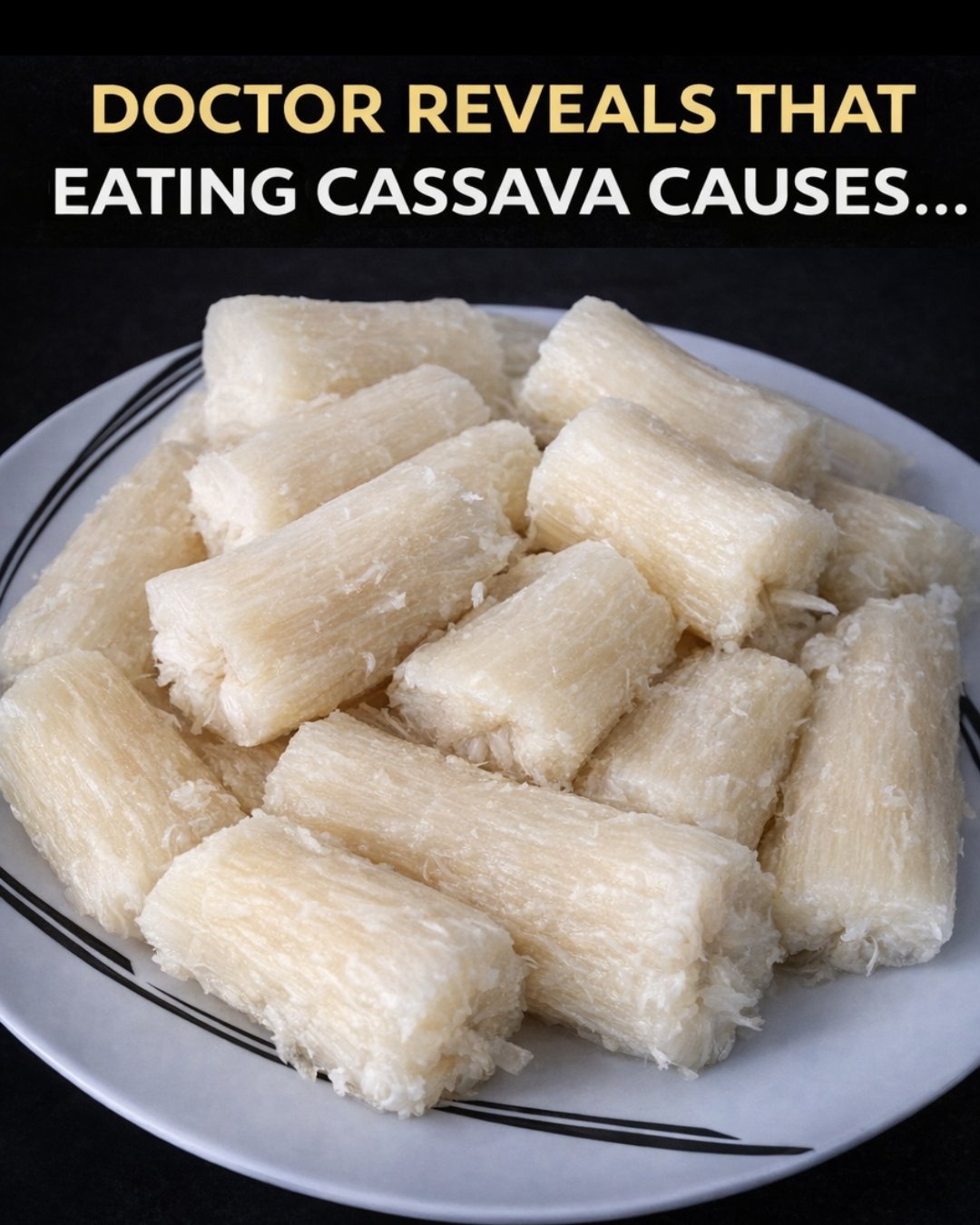
Doctor Reveals What Eating Cassava Causes: Benefits, Risks, and What You Need to Know
Cassava is a staple food for millions of people worldwide, especially in Africa, Asia, and Latin America. But recently, a claim has gone viral: “Doctor reveals that eating cassava causes…” — leaving many people curious and even concerned.
So, what’s the truth? Is cassava dangerous, or is it actually healthy? Let’s break it down.
What Is Cassava?
Cassava (also known as yuca or manioc) is a root vegetable rich in carbohydrates. It is commonly consumed boiled, fried, or processed into products like tapioca and cassava flour.
Because it is affordable and calorie-dense, cassava is an essential food source in many countries.
Health Benefits of Cassava
Before jumping to fears, it’s important to understand that cassava does have several benefits:
1. Rich Source of Energy
Cassava is high in carbohydrates, making it an excellent energy source.

2. Naturally Gluten-Free
Cassava flour is a popular alternative for people with gluten intolerance or celiac disease.
3. Contains Vitamin C
It provides a modest amount of vitamin C, which supports immunity and skin health.
The Hidden Risk: Cyanide Compounds
Here’s where the “doctor reveals” claim usually comes from.
Cassava naturally contains cyanogenic glycosides, compounds that can release cyanide — a toxic substance — when consumed improperly.
Does This Mean Cassava Is Poisonous?
Not necessarily.
👉 Proper preparation removes most of the toxins.

However, problems can occur when cassava is:
- Eaten raw
- Not soaked or cooked thoroughly
- Consumed in large amounts over time (especially in low-protein diets)
What Can Eating Cassava Cause?
When cassava is not prepared correctly, it may lead to:
1. Cyanide Poisoning (Rare but Serious)
Symptoms can include dizziness, headache, nausea, and in severe cases, neurological damage.
2. Thyroid Problems
Certain compounds may interfere with iodine uptake, potentially affecting thyroid function.
3. Nutritional Deficiencies
Relying heavily on cassava without a balanced diet can lead to protein and micronutrient deficiencies.
When Is Cassava Safe to Eat?
Cassava is completely safe when prepared properly:

- Peel the root thoroughly
- Soak it (especially bitter cassava varieties)
- Cook it well (boiling, steaming, frying)
- Avoid eating it raw
In fact, billions of people eat cassava safely every day.
Should You Avoid Cassava?
No — for most people, cassava can be part of a healthy diet.
However, you should be cautious if:
- You eat cassava very frequently
- Your diet lacks protein
- You are consuming improperly processed cassava products
Final Verdict
The viral claim that “cassava causes harm” is partly true but often exaggerated.
👉 The real answer is simple:
Cassava is safe and nutritious when prepared correctly — but potentially harmful if consumed improperly.