
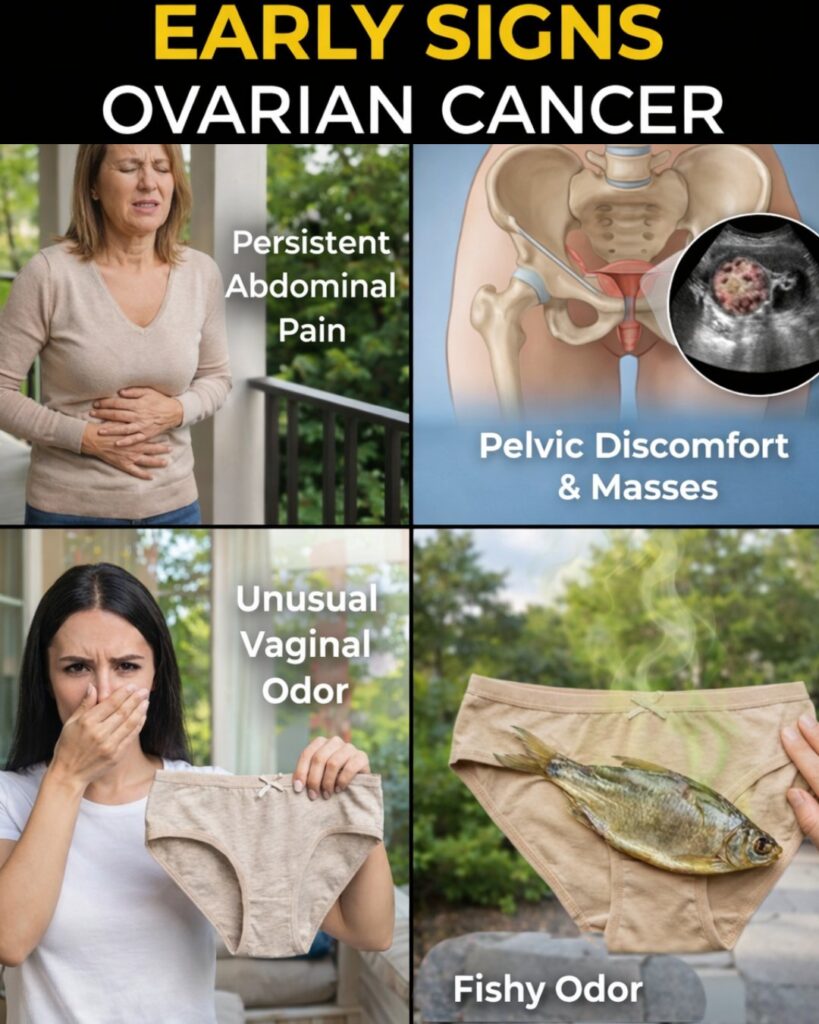
Many women notice subtle shifts in how their bodies feel, often brushing them off as everyday stress or minor issues. Yet, these changes might point to something more serious, like ovarian cancer, which affects thousands each year and can be tricky to spot early. The uncertainty of not knowing what’s happening inside can lead to growing anxiety, especially when symptoms persist and disrupt daily life. Recognizing these signs empowers you to have informed conversations with your healthcare provider, potentially leading to timely check-ups. But there’s one lesser-known sign that could change how you monitor your health—keep reading to uncover it at the end.

What Is Ovarian Cancer and Why Awareness Matters
Ovarian cancer starts in the ovaries, the small organs that produce eggs and hormones. It’s often called the “silent killer” because symptoms can mimic common ailments. Research from organizations like the American Cancer Society shows that early detection improves outcomes significantly.
But here’s the thing: Many women delay seeking help, thinking it’s just indigestion or fatigue. Awareness isn’t about fear—it’s about taking control. By learning these signs, you can listen to your body better.
Studies indicate that about 1 in 78 women will develop ovarian cancer in their lifetime. Factors like age, family history, or certain genetic mutations can play a role. Still, anyone can be affected.

The 8 Key Signs to Watch For
Let’s break this down. These signs are based on reports from medical sources like Mayo Clinic and MD Anderson Cancer Center. Remember, they’re not unique to ovarian cancer, but if they last more than a few weeks, it’s worth noting.
1. Persistent Bloating
Feeling swollen in your abdomen? This isn’t the occasional puffiness after a big meal. It’s a constant sense of fullness that doesn’t go away.
Research shows bloating is one of the most reported early signs. It happens because fluid can build up or tumors press on nearby areas.
But that’s not all: If your clothes feel tighter around the waist without weight gain, pay attention. Track how often it occurs.
2. Pelvic or Abdominal Pain
A dull ache in your lower belly or pelvis might seem like cramps, but if it’s new and ongoing, it could signal something else.
This discomfort often feels like pressure or heaviness. According to the National Ovarian Cancer Coalition, it’s common as the cancer affects surrounding tissues.
Here’s a tip: Note if the pain worsens with activity or eating. It’s different from typical menstrual pain.

3. Feeling Full Quickly When Eating
Suddenly, you can’t finish your usual portion? This early satiety can sneak up on you.
Studies from Rush University Medical Center link it to tumors interfering with digestion. You might lose appetite altogether.
And get this: It can lead to unintended weight loss, which isn’t always a good thing if unexplained.
4. Frequent or Urgent Need to Urinate
Rushing to the bathroom more often? Or feeling like you have to go right now?
Ovarian cancer can press on the bladder, causing these urinary changes. The Ovarian Cancer Research Alliance notes this as a key symptom.
But wait: It’s not just frequency—sometimes it’s urgency without much output. Differentiate it from a UTI by duration.
5. Fatigue That Doesn’t Improve
Extreme tiredness that rest doesn’t fix? This isn’t your average exhaustion.
Cancer cells can drain energy, leading to constant fatigue. MD Anderson reports it’s overlooked because life is busy.
The interesting part: It might pair with other signs, making it a red flag when combined.
6. Back Pain
A nagging ache in your lower back? It could radiate from the pelvis.
As tumors grow, they can affect nerves or muscles. UnityPoint Health experts say this pain often feels deep and persistent.

Here’s why it matters: Unlike muscle strain, it doesn’t ease with stretching or heat.
7. Changes in Bowel Habits
Constipation, diarrhea, or alternating patterns? These shifts can indicate ovarian issues.
Pressure on the intestines causes this. Mayo Clinic lists it as a symptom, especially if chronic.
And another thing: It might come with bloating, creating a cycle of discomfort.
8. Pain During Sex
Discomfort or pain during intimacy? This lesser-known sign can be embarrassing to discuss, but it’s important.
It stems from pelvic involvement. The American Cancer Society includes it in their symptom list.
Surprisingly, this could be the overlooked sign I mentioned earlier—one that prompts many to seek help.

How These Signs Compare to Common Conditions
To help differentiate, here’s a simple table comparing ovarian cancer signs to everyday issues:
| Sign | Ovarian Cancer Context | Common Alternative Causes |
|---|---|---|
| Bloating | Persistent, with other symptoms | Overeating, gas, IBS |
| Abdominal Pain | Dull, ongoing in pelvis | Menstrual cramps, indigestion |
| Feeling Full Quickly | Leads to weight loss | Stress, small meals |
| Urinary Changes | Urgency without infection | UTI, caffeine intake |
| Fatigue | Unrelieved by sleep | Lack of exercise, anemia |
| Back Pain | Lower back, constant | Poor posture, injury |
| Bowel Changes | Alternating constipation/diarrhea | Diet changes, stress |
| Pain During Sex | Deep pelvic pain | Dryness, infections |
This isn’t diagnostic—always consult a professional.
Actionable Steps to Monitor Your Health
Knowledge is power, but action makes the difference. Here are practical tips you can start today:
- Track Your Symptoms: Use a journal or app to note when signs appear, their intensity, and duration. Look for patterns over two weeks.
- Schedule Regular Check-Ups: Talk to your doctor about pelvic exams or ultrasounds if you have risk factors like family history.
- Adopt Healthy Habits: Maintain a balanced diet rich in fruits and veggies. Exercise regularly to support overall wellness.
- Know Your Risks: Discuss genetic testing if there’s a family pattern. Research shows BRCA mutations increase chances.
- Seek Support: Join online communities for shared experiences, but verify info with reliable sources.
These steps are simple yet effective. Start with one today.

But there’s more: Incorporate mindfulness to tune into your body. Meditation apps can help spot changes early.
Lifestyle Factors That May Influence Risk
While not preventive, certain habits might lower odds. Studies suggest:
- Eating anti-inflammatory foods like berries and nuts.
- Staying active with 150 minutes of moderate exercise weekly.
- Avoiding smoking, as it links to higher cancer risks.
Remember, these are general suggestions. Personalize them with your doctor’s input.
Conclusion
Being aware of these 8 signs—bloating, pelvic pain, quick fullness, urinary changes, fatigue, back pain, bowel shifts, and pain during sex—can help you stay proactive about your health. Early conversations with healthcare providers matter. Don’t ignore persistent changes; your body knows best.
FAQ
What should I do if I notice these signs?
Monitor them for a couple of weeks. If they persist, schedule a doctor’s visit to discuss your concerns and explore tests.
Are there screening tests for ovarian cancer?
Routine screenings aren’t standard for average-risk women, but high-risk individuals might benefit from CA-125 blood tests or transvaginal ultrasounds, per guidelines from the American Cancer Society.
Can ovarian cancer be prevented?
Not entirely, but maintaining a healthy weight, using birth control pills (as studies show reduced risk), and considering risk-reducing surgery for high-risk cases can help.
This article is for informational purposes only and not a substitute for professional medical advice. Always consult your healthcare provider for personalized guidance.
