
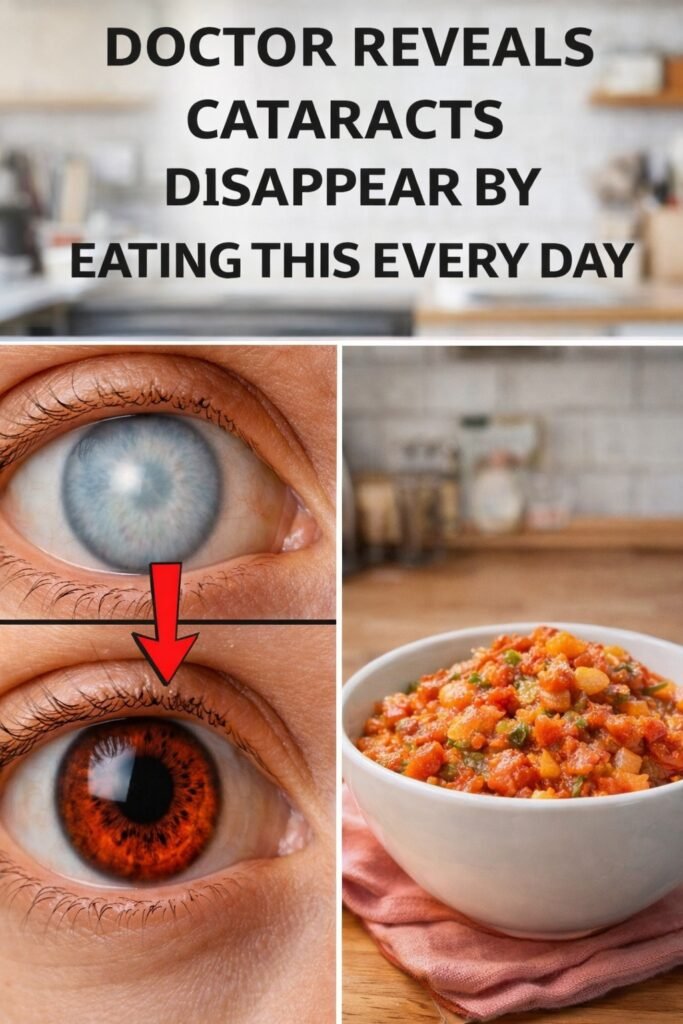
As we age, many of us notice changes in our vision that can make everyday tasks feel more challenging. Cloudiness in the lens of the eye, known as cataracts, is a common concern that affects millions worldwide, often developing gradually and impacting clarity over time. The frustration of blurred sight or increased sensitivity to light can limit independence and enjoyment of simple activities like reading or driving.
Research has explored how certain dietary choices might support long-term eye health. Studies suggest that nutrients like antioxidants from everyday foods could play a supportive role in maintaining lens clarity as part of a balanced lifestyle.
In this article, we’ll explore five nutrient-rich foods that research links to potential benefits for eye health, particularly in relation to age-related changes like cataracts. Stick around until the end for practical ways to incorporate them and answers to common questions.

Why Nutrition Matters for Eye Health
The lens of the eye is vulnerable to oxidative stress from factors like UV exposure, aging, and daily wear. Antioxidants help combat this by neutralizing free radicals. Observational studies, including large-scale research from institutions like the National Eye Institute, have associated higher intakes of specific nutrients with lower risks of certain eye changes over time.
Key players include vitamin C, lutein, zeaxanthin, and other compounds found in plant-based foods. While no food can guarantee prevention, consistent inclusion in your diet may contribute to overall wellness when paired with regular eye exams and protective habits like wearing sunglasses.
But that’s just the foundation. Let’s look at the foods that stand out in the evidence.
1. Dark Leafy Greens: A Top Source of Eye-Protective Carotenoids
Dark leafy greens like kale, spinach, and collard greens consistently appear in studies for their high levels of lutein and zeaxanthin. These carotenoids accumulate in the eye and act as natural filters against harmful light.
- One large analysis found that people with higher dietary lutein intake had notably lower likelihood of certain lens changes.
- These greens also provide additional vitamins that support general antioxidant activity.
Try adding a handful to salads, smoothies, or lightly sautéed as a side. Even a few servings per week can make a difference.
2. Citrus Fruits and Other Vitamin C-Rich Options
Fruits like oranges, grapefruits, strawberries, and kiwis deliver generous amounts of vitamin C, a potent antioxidant.
Research, including findings from cohort studies, has linked higher vitamin C intake from food sources to potential support for lens health. For instance, some evidence shows associations with reduced odds of specific types of age-related lens opacity when intake is consistent over years.
A simple habit: Start your day with fresh fruit or add slices to water for flavor.
3. Colorful Vegetables Like Bell Peppers and Broccoli
Red, orange, and yellow bell peppers, along with broccoli, offer a mix of vitamin C and carotenoids.
Meta-analyses of multiple studies indicate that diets rich in these colorful produce items correlate with better eye health outcomes, possibly due to their combined antioxidant effects.
These veggies are versatile—roast them, stir-fry, or enjoy raw in dips.
4. Eggs: Surprisingly Beneficial for Lutein and Zeaxanthin
Egg yolks contain bioavailable forms of lutein and zeaxanthin, which some research suggests are well-absorbed thanks to the fat content.
Studies have noted that regular egg consumption aligns with supportive effects on eye nutrient levels, contributing to overall lens maintenance in observational data.

Boil, poach, or scramble a couple a few times weekly as part of balanced meals.
5. Fatty Fish for Omega-3 Support
Cold-water fish such as salmon, mackerel, or sardines provide omega-3 fatty acids.
While primarily linked to other eye conditions, some evidence from population studies suggests diets including these healthy fats may offer broader benefits for eye wellness, including potential inflammation reduction that indirectly supports lens health.
Aim for two servings per week, grilled or baked for best results.
Here are quick ways to boost these foods daily:
- Morning smoothie: Blend spinach, kiwi, and strawberries.
- Lunch salad: Top mixed greens with bell peppers, broccoli, and a boiled egg.
- Dinner plate: Include grilled salmon with a side of kale or collards.
- Snack idea: Fresh orange segments or a handful of nuts (for extra zinc support).
Small, sustainable changes like these can add up over time.

Making It Practical: Simple Daily Habits
To get started:
- Track your current intake for a week to spot gaps.
- Aim for 5–9 servings of fruits and vegetables daily, prioritizing the colorful and leafy varieties.
- Include protein sources like eggs or fish 2–3 times weekly.
- Pair with healthy fats (like olive oil on salads) to improve nutrient absorption.
- Stay hydrated and maintain regular eye check-ups.
These steps fit easily into most lifestyles and promote overall well-being.

Conclusion
Incorporating nutrient-dense foods into your routine offers a proactive way to support eye health as you age. While diet is just one piece of the puzzle—alongside UV protection, not smoking, and professional care—the evidence points to meaningful potential from these everyday choices.
Focusing on variety and consistency could help you maintain clearer vision longer. Start small today, and your eyes may thank you for years to come.

FAQ
What is the best way to get lutein and zeaxanthin from food? Dark leafy greens like kale and spinach top the list, followed by broccoli, peas, and eggs. Eating them with a bit of fat enhances absorption.
Can supplements replace these foods for eye health? Food sources provide a broad mix of nutrients and are generally recommended first. Supplements like those studied in AREDS focus on specific conditions and should be discussed with a doctor.
How soon might dietary changes make a difference for eye health? Benefits are often seen in long-term studies over years, so consistency matters more than quick results. Combine with routine eye exams for the best approach.
Disclaimer: This article is for informational purposes only and not intended as medical advice. Diet can support general health, but it does not replace professional diagnosis or treatment. Always consult an eye care specialist or healthcare provider for personalized guidance regarding vision concerns or before making significant dietary changes. Individual results may vary.
