European Mountain Ash: Health Benefits and Rowanberry Jelly Recipe
Important Safety Disclaimer Before we begin, it is absolutely essential to know that you must never eat raw Rowanberries. Fresh, uncooked berries from the European Mountain Ash contain parasorbic acid, a harsh natural chemical compound that can cause severe stomach upset, indigestion, and kidney irritation. The seeds also contain very small amounts of a compound that can release cyanide. However, there is no need to fear this beautiful tree. When the berries are exposed to freezing temperatures and thoroughly cooked, the harsh parasorbic acid changes into harmless, beneficial sorbic acid. Cooking also makes the seeds completely safe. Always cook your Rowanberries, and never consume them straight from the tree.
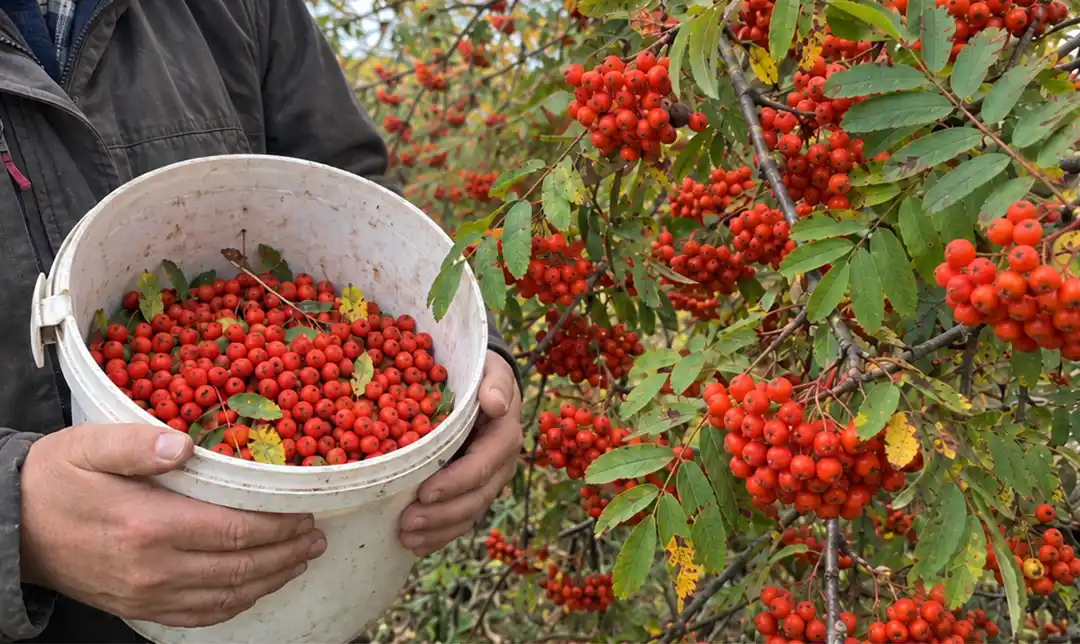
Discovering the European Mountain Ash As autumn arrives and many trees begin to lose their color, the European Mountain Ash (scientifically known as Sorbus aucuparia) truly comes alive. Often simply called the Rowan tree, it is famous for its bright, fiery red-orange berries that hang in heavy, beautiful clusters. For centuries, this tree has been surrounded by folklore and legends. In older times, people would plant them near their doors to keep bad spirits away and protect their homes.
Today, while the magical legends have faded, the real magic of the Rowan tree remains in its wild fruit. The berries are incredibly tart, bitter, and astringent when raw. But with a little bit of time, sugar, and heat, they transform into one of the most delicious and powerful homemade preserves you can make: Rowanberry Jelly.
The Natural Power and Benefits of Rowanberries You might wonder why people go through the effort of making jelly from such a bitter little berry. The answer lies in the incredible health benefits hidden inside the fruit. When properly prepared, Rowanberries offer a fantastic nutritional boost to your body.
Here are the main benefits of consuming cooked Rowanberries:
- Incredible Vitamin C Content: Rowanberries are packed with Vitamin C, containing even more than some common citrus fruits. This makes the jelly a wonderful, natural way to support your immune system, especially during the cold winter months when fresh fruit used to be hard to find.
- Rich in Powerful Antioxidants: The bright red color of the berries comes from natural plant compounds that act as antioxidants. These help protect your body’s cells from damage caused by free radicals, keeping your body healthier and reducing internal inflammation.
- Excellent for Digestion: The berries are naturally very high in pectin. Pectin is a type of soluble fiber that not only helps the jelly set perfectly in the jar but also supports a healthy digestive system and feeds the good bacteria in your gut.
- Natural Preservative Qualities: The sorbic acid found in cooked Rowanberries is a fantastic natural preservative. In fact, scientists first discovered sorbic acid in the berries of the Rowan tree. This means your homemade jelly will last a very long time in the pantry without going bad.
- Respiratory Support: In traditional home remedies, Rowanberry preparations were often used to soothe sore throats and help with minor respiratory issues, making a warm spoonful of the jelly a comforting treat when you have a cold.
How and When to Harvest the Berries Timing is everything when it comes to foraging from the European Mountain Ash. If you pick the berries too early in the season, they will be overwhelmingly bitter and dry.
Here are the best rules for foraging:
- Wait for the first frost: The freezing temperature breaks down the complex starches and sugars in the fruit, making them softer, juicier, and significantly less bitter.
- The freezer trick: If the wild birds are eating all the berries before the winter frost arrives, you can pick them early. Just wash them, dry them, and put them in your kitchen freezer for two or three days. This perfectly copies the natural frost and sweetens the berries.
- Pick whole clusters: Use scissors or garden snips to cut off whole clusters of berries rather than pulling them one by one. This prevents you from squishing the fruit and losing the juice before you get home.
Making the Homemade Rowanberry Jelly Making this jelly is a simple, highly rewarding process. Because Rowanberries have such a strong, tart flavor, they are traditionally mixed with apples. The apples soften the bitter edge, add a gentle natural sweetness, and provide extra pectin to ensure the jelly becomes wonderfully firm and sliceable.
What you will need:
- Equal weights of frozen Rowanberries and tart cooking apples (for example, 3 pounds of each).
- White granulated sugar (you will measure this later based on how much liquid juice you get).
- Water.
- A jelly bag or a clean piece of muslin cloth for straining the fruit.
Step-by-Step Instructions:
- Prepare the fruit: Remove the Rowanberries from their stems, discarding any brown or shriveled berries, and give them a good wash. Wash the apples and chop them roughly. You do not need to peel the apples or remove their cores, as the apple skin and cores contain the highest amounts of natural pectin.
- The first boil: Place the berries and the chopped apples into a large, heavy-bottomed cooking pot. Pour in just enough fresh water to barely cover the fruit.
- Simmer and soften: Bring the water to a gentle boil, then turn the heat down to low. Let the fruit simmer gently for about 40 to 50 minutes. Stir occasionally, pressing down on the fruit with a wooden spoon to mash it up and release all the juices.
- Strain the juice: Once the fruit is completely soft and mushy, pour the entire mixture into your jelly bag suspended over a large, clean bowl. Now comes the hardest part: leave it alone. Let it drip naturally overnight. Do not squeeze or push on the bag! If you squeeze it, your jelly will become cloudy instead of beautifully clear and jewel-toned.
- Measure and add sugar: The next morning, throw away the dry fruit pulp left in the bag (or add it to your compost bin). Measure the clear juice you collected in the bowl. For every exactly measured cup of juice you have, you will need to add one cup of white sugar.
- Boil to setting point: Pour the juice and the sugar back into a large, clean pot. Heat it slowly on the stove, stirring constantly until all the sugar has completely dissolved. Once you can no longer feel sugar grains on the bottom of the pot, turn the heat up high and bring the liquid to a rapid, rolling boil. Let it boil hard for about 10 to 15 minutes.
- Test the jelly: To check if it is ready to set, place a small plate in the freezer for a few minutes before you begin boiling. Take the cold plate out and drop a small spoonful of the hot liquid onto it. Wait ten seconds, then push the edge of the puddle with your finger. If the surface wrinkles up like skin, the jelly is ready. If it stays completely liquid, boil the pot for another 5 minutes and test again.
- Jar it up: Carefully pour the hot jelly into clean, sterilized glass jars. Seal them tightly with their lids. As they cool on the counter, you will hear the lids pop as they create a safe, airtight vacuum seal.
How to Enjoy Your Homemade Creation Unlike standard strawberry or grape jelly, Rowanberry jelly is not usually eaten on a simple peanut butter sandwich. Its flavor is bold, tart, sweet, and slightly earthy, making it a true “savory” jelly.
Here are the best ways to serve it:
- With roasted meats: It is the traditional and absolute best pairing for rich, heavy meats like roast lamb, pork, venison, or duck. The bright tartness cuts through the heavy fat of the meat perfectly.
- On a cheese board: Serve a small bowl of it alongside sharp aged cheddar, creamy brie, or strong blue cheeses. The sharp contrast between the salty cheese and the sweet-tart jelly is incredible.
- In rich gravies: Stir a generous spoonful of the jelly into your homemade meat gravies or pan sauces just before serving. It adds a beautiful, rich gloss and a deep flavor profile that will leave your dinner guests amazed.
- Gourmet toast: If you love strong, vibrant flavors, try it spread on a slice of thick, dark rye bread with a thick layer of high-quality butter.
Taking the time to harvest and prepare the fruits of the European Mountain Ash is a wonderful way to connect with nature. You are taking something wild and fiercely bitter and turning it into a beautiful, ruby-red preserve that is packed with vitamins and historical charm. With a little patience, this traditional jelly will easily become a cherished, powerful staple in your kitchen pantry.