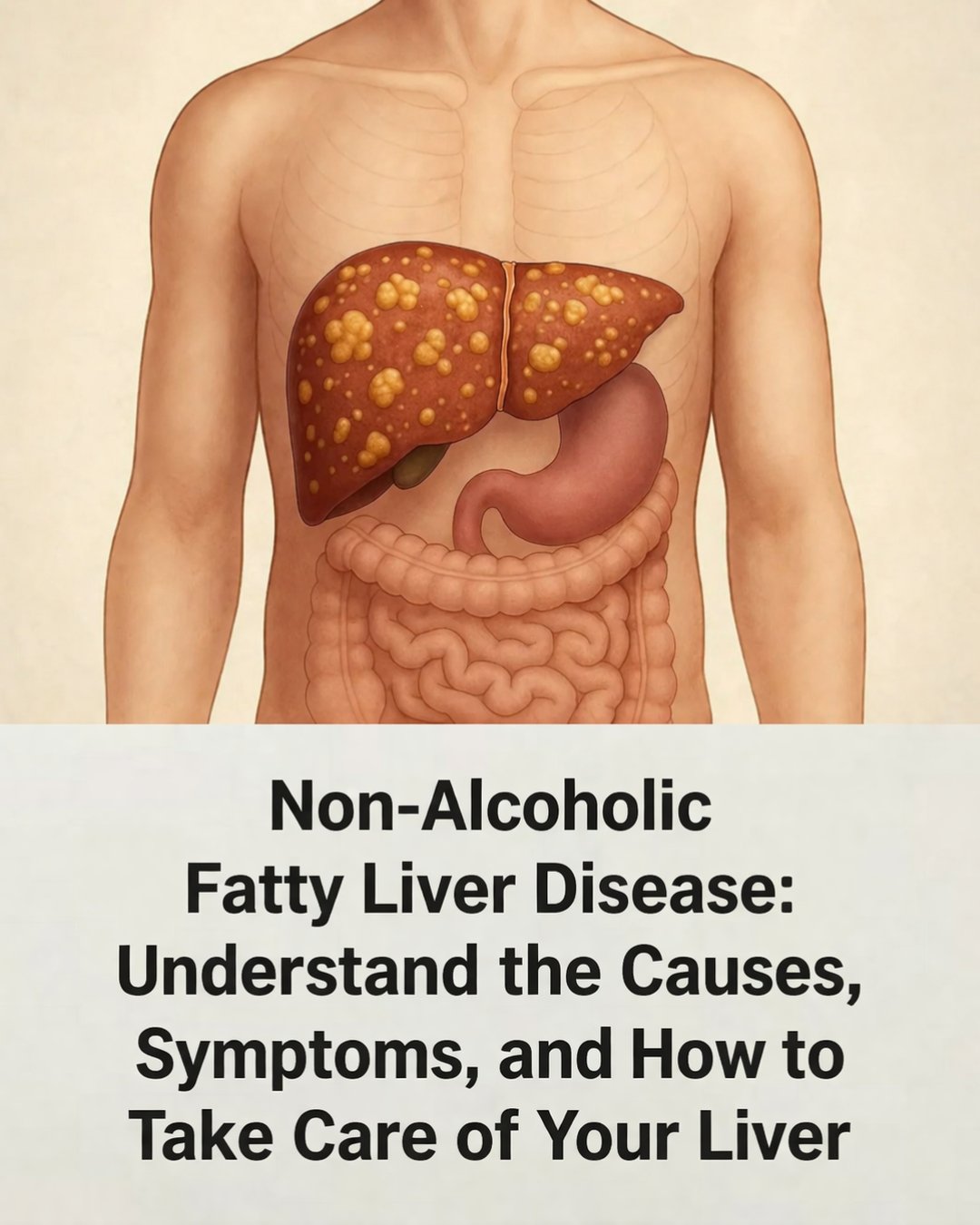
Non-Alcoholic Fatty Liver Disease (NAFLD): Causes, Symptoms, and How to Care for Your Liver
What Is Non-Alcoholic Fatty Liver Disease?
Non-Alcoholic Fatty Liver Disease (NAFLD) is a common liver condition characterized by the buildup of excess fat in liver cells in people who consume little or no alcohol. It is not caused by other liver diseases and affects an estimated 25% of the global population.
Although often silent in its early stages, NAFLD can progress to serious liver complications such as inflammation, fibrosis (scarring), cirrhosis, and even liver cancer if left untreated.
Causes of NAFLD
Several risk factors contribute to the development of non-alcoholic fatty liver disease, including:
- Overweight and obesity
- Prediabetes or type 2 diabetes
- High blood pressure (hypertension)
- High cholesterol and triglyceride levels
- Poor dietary habits (high in processed foods, sugar, and unhealthy fats)
- Sedentary lifestyle
These metabolic conditions are closely linked and often occur together, increasing the risk of liver fat accumulation.
Symptoms of Fatty Liver Disease
Most people with NAFLD do not experience noticeable symptoms, especially in the early stages. However, as the condition progresses, some individuals may report:
- Abdominal discomfort (especially in the upper right side)
- Fatigue and low energy
- General feeling of unwellness
In advanced stages, particularly when cirrhosis develops, symptoms may include:
- Fluid buildup in the abdomen (ascites)
- Yellowing of the skin and eyes (jaundice)
- Sleep disturbances or confusion
- Digestive bleeding
Diagnosis of NAFLD
NAFLD is typically diagnosed through imaging tests that detect fat in the liver, such as:
- Ultrasound
- CT scan (computed tomography)
- MRI (magnetic resonance imaging)
Blood tests may also be used to assess liver function, including TGO (AST), TGP (ALT), and ferritin levels.
In some cases, additional tests like liver elastography or a liver biopsy may be required to determine the stage and severity of the disease.
Treatment Options
Currently, there is no specific medication that can completely eliminate liver fat. The primary approach to treating NAFLD focuses on lifestyle changes, including:
- Gradual weight loss
- Healthy and balanced diet
- Regular physical activity
Medical supervision is essential to identify underlying causes and guide treatment. In certain cases, medications may be prescribed to manage related conditions such as diabetes or high cholesterol.
Prevention: How to Protect Your Liver
Preventing NAFLD involves adopting healthy lifestyle habits:
- Maintain a healthy weight
- Eat a balanced diet rich in fruits, vegetables, and whole foods
- Exercise regularly
- Avoid excessive consumption of sugar, refined carbs, and processed foods
- Limit alcohol intake
- Do not smoke
These habits not only protect your liver but also improve overall health and reduce the risk of chronic diseases.
Final Thoughts
Non-Alcoholic Fatty Liver Disease is a growing global health concern, largely driven by modern lifestyle habits. The good news is that it is often preventable and reversible in its early stages through healthy living.

If you suspect you may be at risk, consult a healthcare professional for proper evaluation and guidance.