
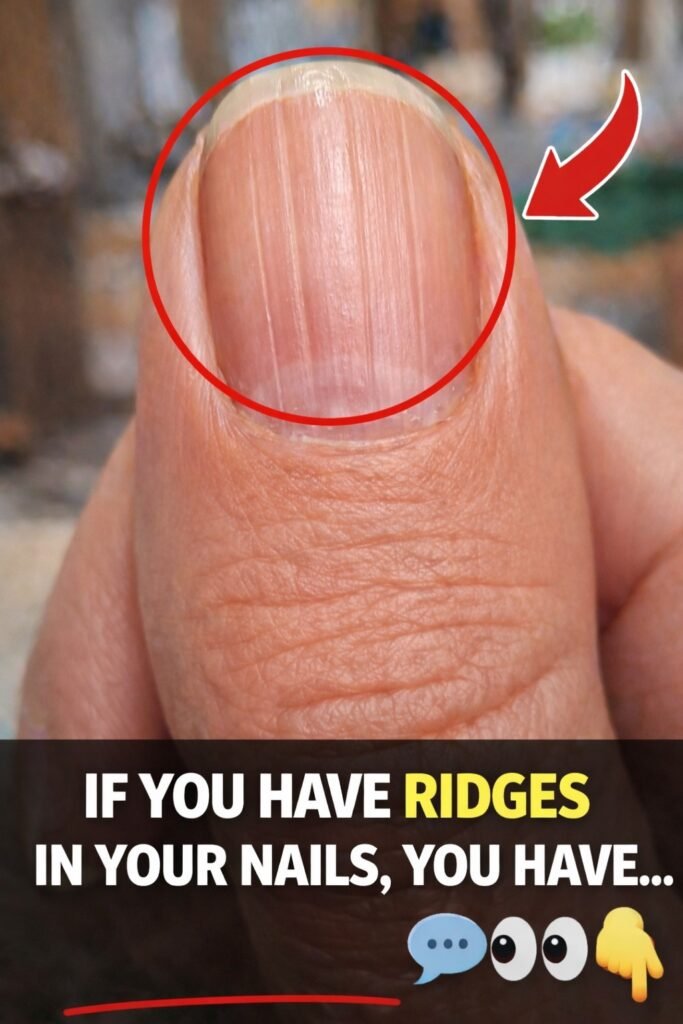
Vertical Lines on Nails: The Silent Sign Many Adults Ignore
Have you ever noticed vertical lines on your nails and wondered what they mean? While many people consider them harmless, these subtle changes can sometimes reflect important information about your overall health.
In this article, we’ll explore the causes, meanings, and when you should be concerned about vertical ridges on nails.
What Are Vertical Lines on Nails?
Vertical lines on nails (also known as longitudinal ridges) are lines that run from the cuticle to the tip of the nail. They are very common and often become more noticeable with age.
In many cases, they are completely harmless. However, they can also signal underlying health issues, especially if they appear suddenly or worsen over time.
Common Causes of Vertical Nail Ridges
1. Natural Aging Process
The most common cause of vertical lines is aging. As you grow older, your body produces less keratin—the protein that forms your nails—leading to ridges and texture changes.
2. Nutritional Deficiencies
Vertical ridges can sometimes indicate a lack of essential nutrients, such as:

- Iron
- Zinc
- Vitamin B12
- Magnesium
Deficiencies in these nutrients can weaken nails and affect their growth.
3. Dehydration and Dry Skin
Dry nails and cuticles can cause ridges to appear more prominent. Lack of moisture reduces nail flexibility and smoothness.
4. Minor Trauma or Damage
Repeated pressure, injuries, or harsh manicures can damage the nail matrix (where nails grow), leading to vertical lines.
5. Underlying Health Conditions
In some cases, vertical lines may be linked to:
- Thyroid disorders
- Circulatory problems
- Autoimmune diseases
These conditions can affect nail growth and structure.
When Should You Be Concerned?
Vertical lines are usually harmless, but you should consult a doctor if you notice:

- Sudden appearance of deep ridges
- Changes in nail color or thickness
- Brittle or splitting nails
- Pain or discomfort
These could indicate nutritional deficiencies or underlying medical conditions.
How to Treat and Prevent Vertical Nail Lines
1. Improve Your Diet
Eat foods rich in:
- Iron (spinach, red meat)
- Zinc (nuts, seeds)
- Vitamins (fruits and vegetables)
2. Stay Hydrated
Drink enough water and use moisturizing creams or oils on your nails and cuticles daily.
3. Avoid Harsh Chemicals
Limit exposure to:
- Strong detergents
- Nail polish removers
- Acrylic or gel nails
4. Protect Your Hands
Wear gloves when cleaning or handling chemicals to prevent damage.
5. Consider Supplements
Biotin and collagen supplements may help improve nail strength and appearance (consult a healthcare provider first).

Final Thoughts
Vertical lines on nails are often a normal part of aging and not a cause for concern. However, they can sometimes act as a “silent signal” of nutritional deficiencies or health issues.
Pay attention to changes in your nails—they might be telling you more about your health than you think.
