
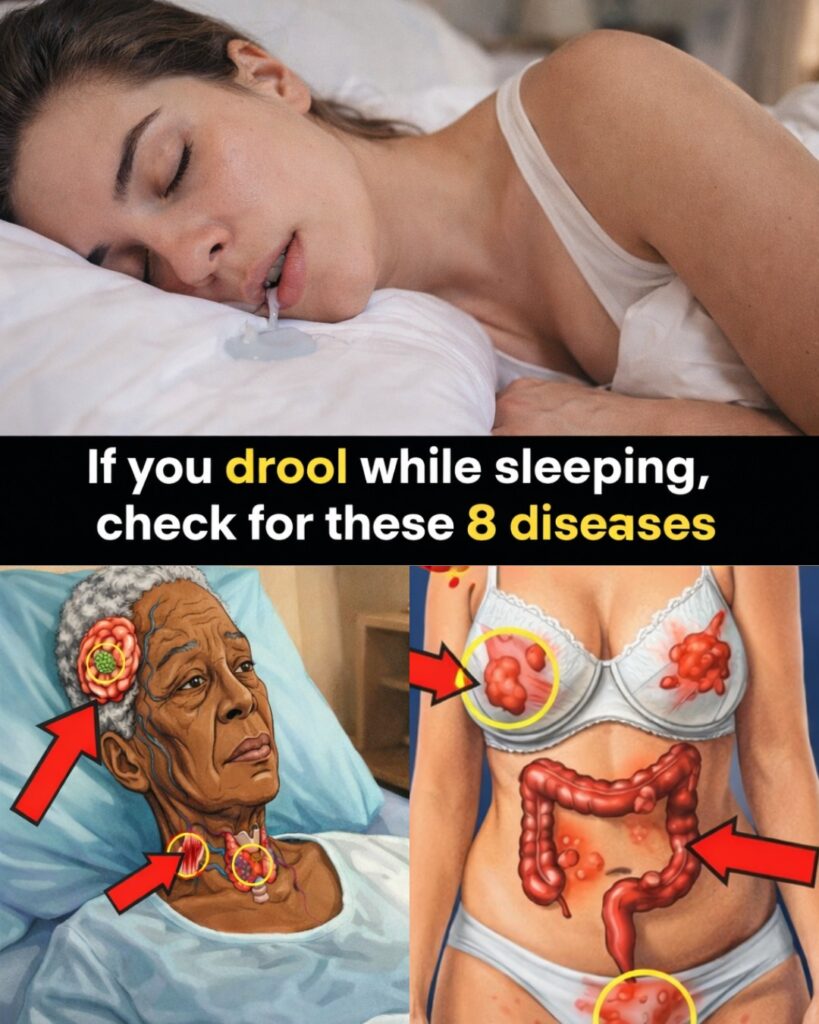
8 Surprising Conditions Linked to Drooling While Sleeping (And Why You Shouldn’t Ignore It)
Waking up to a damp pillow and crusty saliva at the corner of your mouth can feel embarrassing and frustrating, especially when it happens night after night. That familiar wet spot isn’t just annoying—it often leaves you wondering if something’s wrong with your body while you sleep. Many adults brush it off as a quirky habit or poor sleeping position, but persistent nighttime drooling (also called nocturnal sialorrhea) can signal that your body is struggling with saliva control, breathing, or swallowing. Research from trusted sources like the Cleveland Clinic shows this issue often stems from everyday factors or deeper health concerns that deserve attention.
The good news? Understanding the root cause can lead to simple changes or professional help that restore comfortable, dry nights. But here’s the part most people miss: some of these triggers are surprisingly common—and addressing them early might improve not just your sleep, but your overall well-being. Keep reading to discover the top 8 conditions linked to this issue.

Why Drooling Tends to Happen More at Night
During the day, you swallow frequently—up to 2,000 times—keeping saliva under control. At night, things change dramatically. Saliva production continues, but your swallowing reflexes slow down, facial muscles relax, and gravity works against you if your mouth falls open.
Studies highlight that mouth breathing, relaxed throat muscles, or increased saliva flow make drooling more likely during sleep. The Cleveland Clinic notes that while occasional drooling is normal, frequent episodes often tie back to issues affecting breathing, muscle control, or saliva production.
But that’s not the full story…
The 8 Common Conditions That May Cause Nighttime Drooling
Here are the most frequently reported links in adults, drawn from insights by experts at the Cleveland Clinic, Sleep Foundation, and related medical research.
8. Nasal Congestion or Sinus Issues
Stuffy nasal passages from allergies, colds, or chronic sinusitis force mouth breathing at night. With your mouth open, saliva easily escapes as muscles relax during deep sleep.

This is often temporary, but recurring congestion can turn occasional drooling into a nightly routine.

7. Gastroesophageal Reflux Disease (GERD)
Acid reflux irritates the esophagus and throat when lying down, prompting your body to produce extra saliva to neutralize the acid—a response sometimes called “water brash.”
Research links GERD to increased nighttime drooling, especially alongside heartburn or that “lump in the throat” feeling.
6. Medication Side Effects
Certain medications, including some antipsychotics, Alzheimer’s treatments, or drugs that stimulate salivary glands, can lead to hypersalivation as a side effect.
The good news is this trigger is often reversible—talking to your doctor about adjustments or alternatives can make a big difference.
5. Obstructive Sleep Apnea (OSA)
This common sleep disorder causes repeated breathing pauses, leading to mouth breathing and relaxed throat muscles. Your body may even ramp up saliva production to keep oral tissues moist.
Studies and sleep experts frequently connect OSA with excessive nighttime drooling, often alongside loud snoring or daytime fatigue.
Here’s a quick comparison of related breathing issues:

- Nasal Congestion → Mouth breathing from blocked nose → Drooling + possible snoring
- Sleep Apnea → Airway obstruction + mouth breathing → Drooling + fatigue + gasping wakes
- Both → Often overlap, worsening dry mouth in the morning
4. Infections or Throat Irritation
Swollen tonsils, post-nasal drip, or infections like strep throat increase mucus and saliva while making swallowing uncomfortable.
These are usually short-term, but ongoing irritation warrants a closer look.

3. Stroke or Recent Neurological Event
A stroke can weaken muscles on one side of the face, impairing lip closure or swallowing coordination. Drooling may appear suddenly after such an event.
If paired with speech changes, weakness, or facial droop, seek prompt medical evaluation.
2. Parkinson’s Disease
In Parkinson’s, slowed movements and reduced swallowing coordination affect up to 80% of people, leading to saliva pooling—especially noticeable at night.
It often appears alongside tremors, stiffness, or other movement changes.
1. Other Neurological Conditions
Progressive disorders like ALS, multiple sclerosis, or cerebral palsy disrupt nerve signals to swallowing muscles, making saliva management difficult.
These tend to cause chronic, ongoing challenges.
Quick Reference Table: Why These Conditions Lead to Drooling
| Condition | Main Reason for Drooling | Common Accompanying Signs |
|---|---|---|
| Sleep Apnea & Nasal Issues | Mouth breathing | Snoring, daytime tiredness |
| GERD & Infections | Extra saliva to soothe irritation | Heartburn, sore throat |
| Medications & Stroke | Impaired muscle control | Speech issues, weakness |
| Parkinson’s & Neurological | Poor swallowing coordination | Tremors, stiffness |

Real-Life Examples: When Recognition Made a Difference
Many people discover the cause only after years of wet pillows. For instance, one person in their late 50s noticed worsening drooling with heavy snoring— a sleep study confirmed obstructive sleep apnea, and treatment like CPAP dramatically reduced the issue while boosting energy levels.
Another found relief by managing GERD through diet tweaks and elevation—nights became drier and more restful.
These stories remind us: what feels like “just drooling” can point to fixable concerns.
Practical Steps You Can Take Right Now
Occasional drooling is common and harmless, but if it’s frequent or disruptive, start here:
- Track your patterns — Keep a simple sleep diary for a week: note drooling frequency, sleeping position, any heartburn, snoring, or congestion.
- Adjust your sleep setup — Try sleeping on your back (use a body pillow if needed), elevate your head slightly, or use nasal strips/saline rinses for congestion.
- Review medications — Check if any could contribute and discuss with your doctor.
- Address lifestyle factors — Stay hydrated, avoid heavy late meals if reflux is suspected, and maintain good oral hygiene.
If these tweaks don’t help or you notice other symptoms (like fatigue, choking sensations, or sudden changes), consult a healthcare provider for proper evaluation.
When to See a Professional (Quick Checklist)
- Paired with loud snoring or daytime sleepiness
- Sudden onset after a health event
- Multiple symptoms (heartburn, weakness, tremors)
- Mention any medications or recent changes
Frequently Asked Questions (FAQ)
Is drooling while sleeping always a sign of a serious problem?
No—many cases stem from simple factors like sleeping position or temporary congestion. Persistent or worsening drooling, especially with other symptoms, deserves a check-up.
Can changing my sleep position really stop nighttime drooling?
Yes, for many people. Sleeping on your back helps gravity keep saliva in place, and avoiding stomach/side sleeping reduces leakage.
Does drooling during sleep mean I have too much saliva?
Not necessarily. It’s often due to poor swallowing or mouth breathing rather than overproduction—though some conditions or medications can increase saliva flow.
This article is for informational purposes only and is not a substitute for professional medical advice. Research suggests certain conditions may contribute to drooling during sleep, but always consult your healthcare provider for personalized guidance and diagnosis.
(Word count: ~1,320)
