
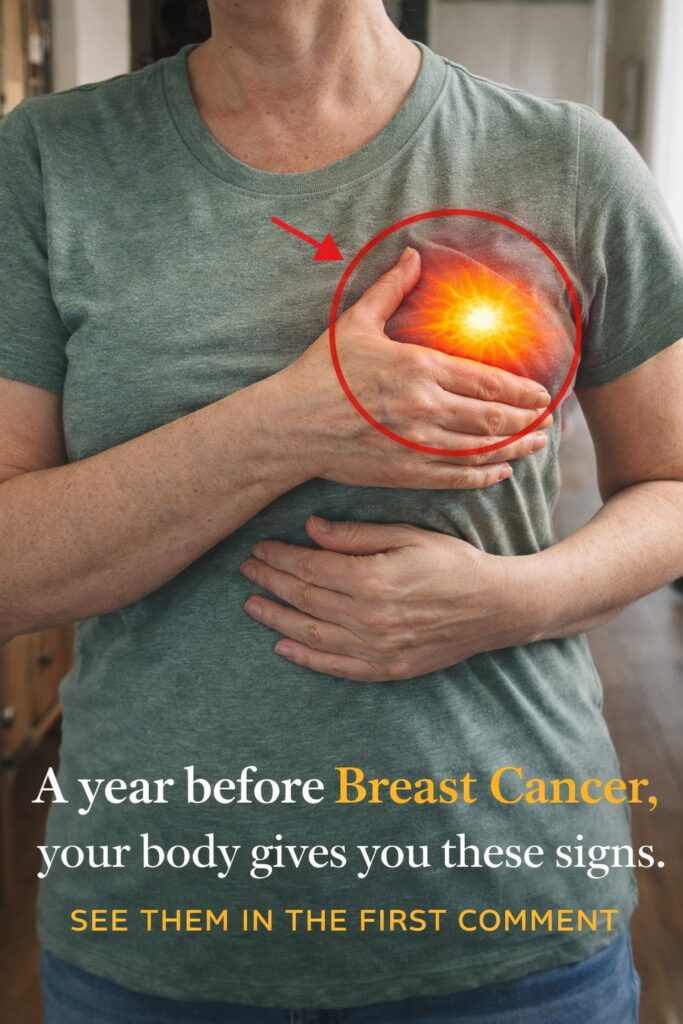
It’s completely normal to feel a wave of anxiety when you notice any change in your breasts—many women do, and it’s understandable because breast cancer is one of the most common cancers affecting women today. That nagging worry can keep you up at night, wondering if a small lump or unusual sensation is something serious, especially since so many changes turn out to be harmless but the fear lingers anyway. The good news is that knowing your body and spotting potential warning signs early can make a real difference in outcomes, empowering you to take control.
But that’s not all—there’s one lesser-known sign that many reliable sources highlight as a red flag, and we’ll reveal it as we go deeper into what experts from the American Cancer Society and Mayo Clinic really say about these symptoms.
Understanding How Your Breasts Normally Change
Breasts naturally fluctuate due to hormonal shifts, age, menstrual cycles, or even pregnancy. It’s common to feel temporary lumps, tenderness, or slight asymmetry during certain times of the month.
These normal variations are usually nothing to worry about. However, persistent or new changes that don’t go away could signal something more.
According to the American Cancer Society, many breast cancers develop without any early symptoms at all. That’s why staying aware of your baseline—and consulting a doctor for anything unusual—is so important.
The truth is, most breast changes are benign (non-cancerous). But ignoring them out of fear isn’t the answer either.

The 10 Subtle Breast Cancer Symptoms Most Women Ignore
While not every sign means cancer, these subtle changes are the ones experts from the American Cancer Society, Mayo Clinic, and CDC urge women to notice. Research shows early detection dramatically improves outcomes, yet many women brush these off as “normal.” Here they are, explained simply and clearly.
- A new lump or thickened area in the breast or underarm. Often painless and hard with irregular edges, this is the most classic early clue.
- Unexplained changes in breast size, shape, or contour. Sudden asymmetry or swelling that appears without reason.
- Skin dimpling or puckering. It can look like orange-peel texture when cancer tugs from inside.
- Redness or rash on the breast skin that doesn’t heal. This can feel warm or look inflamed.
- Nipple that turns inward (inversion). A sudden change from how it normally looks.
- Scaly, red, or flaky skin on the nipple. It may resemble eczema but persists.
- Unusual nipple discharge. Clear, bloody, or other fluid—not breast milk—especially from one side only.
- Persistent pain or tenderness in one specific spot of the breast or nipple.
- Swelling in the lymph nodes under the arm or near the collarbone.
- A feeling of warmth or heaviness in one breast that doesn’t go away.
But here’s the interesting part: Some cancers, especially aggressive types, don’t form obvious lumps at all. That’s why knowing these 10 subtle signs matters more than you might think.
For a quick overview based on guidelines from the American Cancer Society and CDC:
| Possible Sign | Description | Why It Matters |
|---|---|---|
| New Lump or Thickening | Hard, irregular, often painless | Most common early indicator |
| Skin Dimpling or Redness | Orange-peel texture or inflammation | Can signal inflammatory types |
| Nipple Discharge | Bloody or clear, spontaneous | May involve milk ducts |
| Change in Size/Shape | Unexplained swelling or asymmetry | Alters normal breast structure |
| Lymph Node Swelling | In underarm or collarbone area | Possible sign of spread |
Practicing Breast Self-Awareness: Simple Steps You Can Take Today
Formal monthly self-exams aren’t strictly recommended anymore by some experts, as evidence shows awareness is more effective than rigid routines. Instead, focus on knowing what your breasts normally look and feel like.
Here’s an actionable guide you can start today:
- In the mirror: Look for visible changes in size, shape, or skin texture—with arms at sides, then raised.
- In the shower: Use the pads of your fingers to feel for lumps or thickening in circular motions.
- Lying down: Repeat the feel check, as gravity shifts tissue for better detection.
Do this regularly, perhaps once a month after your period. Report any persistent changes to your doctor right away.
The reality is, self-awareness combined with screening catches more issues early.

Breast Cancer Screening: What Experts Recommend
Mammograms are still the gold standard for detecting breast cancer before symptoms appear.
According to the latest American Cancer Society guidelines:
- Women ages 40-44: Have the option to start annual mammograms.
- Ages 45-54: Annual screening recommended.
- 55 and older: Continue every 1-2 years as long as in good health and expected to live 10+ more years.
If you have higher risk (like family history or dense breasts), your doctor might suggest starting earlier or adding MRI. Talk to your healthcare provider for a personalized plan—it’s the best way to catch things early when treatment is most effective.
Everyday Lifestyle Habits to Support Breast Health
While no lifestyle guarantees prevention, research shows certain habits can lower risk.
Here’s what you can do starting today:
- Maintain a healthy weight through balanced eating and movement—excess weight, especially after menopause, is linked to higher risk.
- Stay active: Aim for at least 150 minutes of moderate exercise weekly, like brisk walking.
- Limit alcohol: Even moderate drinking raises risk; best to keep it minimal.
- Avoid smoking: It impacts overall health and may compound risks.
- Eat nutrient-rich foods: Plenty of fruits, vegetables, whole grains, and lean proteins.
Small, consistent changes add up over time.
Empowerment Through Knowledge: Taking Charge of Your Health
Recognizing these signs and acting quickly can significantly improve outcomes—early detection saves lives. You’re not alone in this; millions of women navigate breast concerns every year, and advances in care offer real hope. Share your worries with loved ones or your doctor—it’s a strength, not a weakness.
And here’s that lesser-known insight we promised: Inflammatory breast cancer often mimics an infection with redness and swelling but no lump—always get sudden “mastitis-like” symptoms checked, even if you’re not breastfeeding.
Frequently Asked Questions
Do all breast cancers cause a lump?
No—many are found on mammograms with no lump felt, and some types like inflammatory breast cancer present with swelling or skin changes instead.
Is breast pain a common sign of cancer?
Rarely in early stages—it’s usually hormonal or related to other benign causes. But persistent, localized pain in one spot should be evaluated.
When should I see a doctor about breast changes?
Any new, persistent change that lasts beyond your cycle—don’t wait; early consultation is always better.
This article is for informational purposes only and is not intended to diagnose, treat, or provide medical advice. It does not replace professional healthcare. Always consult your doctor for any breast changes, screening, or personal health concerns.
