
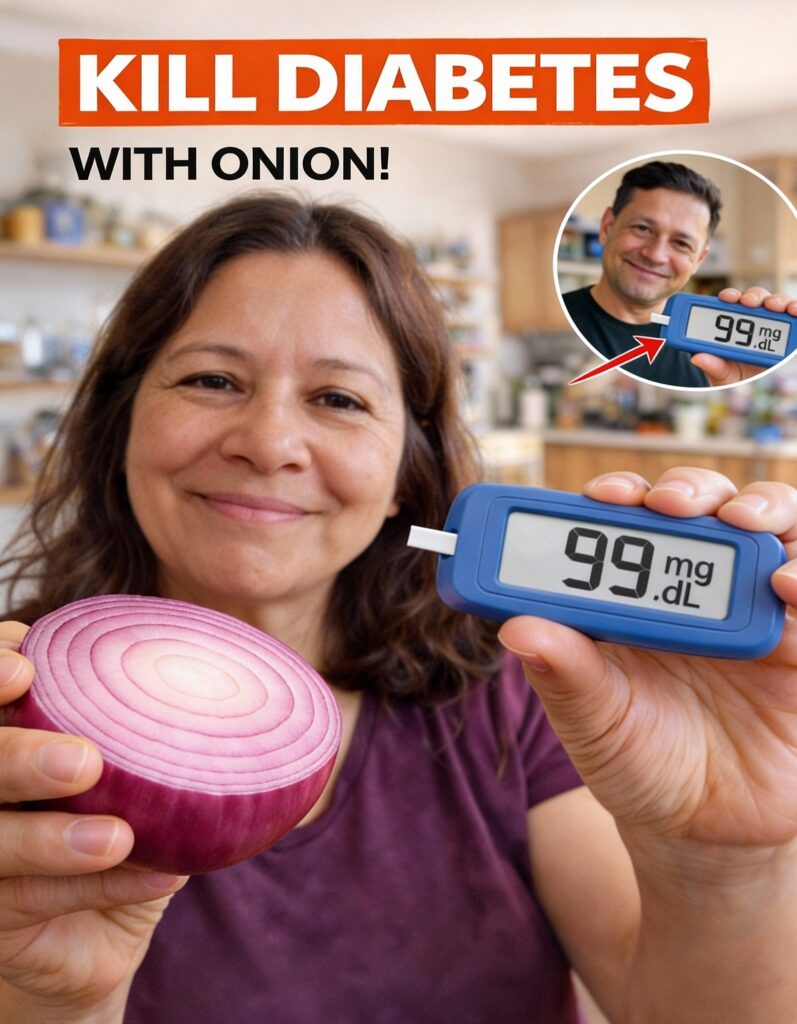
Struggling with unpredictable blood sugar swings can feel exhausting and frustrating, especially when you’re already doing your best with diet and routine. The constant worry about post-meal spikes, lingering fatigue, and that nagging thirst can make everyday life harder than it needs to be. Yet many people are discovering that simple, natural foods—like red onions—may offer gentle dietary support for better metabolic balance when part of a healthy lifestyle.
And here’s something most people don’t realize: the way you prepare red onions can significantly influence their potential benefits. Keep reading, because toward the end I’ll share a lesser-known preparation method that could make all the difference.
Why Red Onions Stand Out for Metabolic Support
Red onions (sometimes called purple onions) aren’t just a colorful addition to your plate—they pack unique compounds that have caught researchers’ attention.
The vibrant hue comes from anthocyanins, potent plant pigments with strong antioxidant properties. But what really sets red onions apart is their high quercetin content—a flavonoid studied extensively for its role in metabolic health.
Research suggests quercetin, along with sulfur-containing compounds like allyl propyl disulfide, may help in several ways:
- Supporting insulin sensitivity so cells can use glucose more effectively
- Slowing the breakdown and absorption of carbohydrates in the digestive tract
- Helping to blunt sharp rises in blood sugar after meals
These effects appear to work through natural pathways, such as inhibiting enzymes like alpha-glucosidase and alpha-amylase, and reducing oxidative stress that can interfere with normal glucose regulation.
Here’s an important detail: red onions generally contain more quercetin than white or yellow varieties, making them a standout choice for anyone interested in natural dietary strategies.
What Does the Research Actually Show?
While no food is a magic bullet, scientific observations on onions and metabolic health are encouraging.

Several human studies have explored onion consumption:
- One study found that participants with type 2 diabetes who ate about 100 grams of raw red onion daily experienced lower fasting blood glucose levels compared to controls.
- Systematic reviews of quercetin supplementation indicate potential improvements in insulin secretion and glucose uptake in cells.
- Animal research has shown onion extracts, rich in organosulfur compounds, helped reduce both blood glucose and cholesterol levels when combined with conventional approaches.
These findings largely point to antioxidant and anti-inflammatory actions that may counteract oxidative stress—a common factor in blood sugar challenges.
That said, most evidence is still preliminary. Red onions should be viewed as a supportive food, not a standalone solution. Always combine them with balanced meals, regular movement, and professional medical guidance.
Surprising Additional Benefits of Red Onions
Red onions offer more than just potential blood sugar support. Their nutrient profile delivers broader wellness advantages:
- Heart health support – The same quercetin and sulfur compounds are linked to healthy cholesterol levels and blood pressure maintenance
- Antioxidant protection – Neutralizes free radicals that contribute to cellular aging
- Gut health boost – Contains prebiotic fibers (like inulin) that feed beneficial bacteria
- Immune support – Provides vitamin C and other micronutrients
- Low-calorie density – Only about 40 calories per 100 grams, making it easy to add generously
It’s a small vegetable with outsized nutritional value.
How to Easily Add Red Onions to Your Daily Routine
Ready to get started? Here are practical, step-by-step ways to incorporate red onions safely and effectively.
1. Choose High-Quality Onions
Look for:
- Firm texture with no soft spots
- Dry, papery outer skin
- No signs of sprouting or mold
Fresher onions retain higher levels of active compounds.
2. Prioritize Raw Consumption
Heat can degrade quercetin, so raw is often best for maximum potential benefits.

Simple ideas:
- Thinly slice and toss into salads
- Add to wraps, tacos, or avocado toast
- Mix into salsa or guacamole
Start with ½ to 1 medium onion (50–100 grams) per day and adjust based on tolerance.
3. The Lesser-Known Red Onion Infusion Method
This is the preparation tip many people overlook—and it may preserve beneficial compounds while being gentler on the stomach.
Here’s how to make a simple red onion infusion:
- Peel and roughly chop one medium red onion
- Add to 1 liter (about 4 cups) of water
- Bring to a boil, then simmer for 10–15 minutes
- Strain the liquid
- Drink 1–2 cups warm throughout the day
Tip: Add a squeeze of lemon or a pinch of ginger to improve taste. Many find this method easier to tolerate than eating large amounts raw.
4. Gentle Cooking Options
If raw onion feels too strong:
- Lightly sauté or roast to mellow the flavor
- Add toward the end of cooking soups or stews
- Avoid deep-frying, which can destroy heat-sensitive compounds
5. Smart Food Pairings
Combine red onions with foods that enhance antioxidant effects:
- Tomatoes (rich in lycopene)
- Garlic (additional sulfur compounds)
- Leafy greens
- Citrus (vitamin C helps quercetin absorption)
Quick and Delicious Meal Ideas
Need inspiration? Try these:
- Classic tomato-cucumber salad with thin red onion slices, olive oil, and herbs
- Crunchy topping for grilled fish or chicken
- Blended into hummus for extra flavor depth
- Small amount in green smoothies with apple and spinach (surprisingly refreshing)
Important Precautions and Practical Tips
Red onions are generally safe for most people, but a few considerations help ensure a positive experience:

- Raw onions can cause bloating or heartburn in sensitive individuals—start small
- Cooked versions or the infusion method are often gentler
- If you’re taking blood sugar medication, monitor levels closely as dietary changes can influence readings
- Pregnant or breastfeeding individuals should stick to normal food amounts
- Never use food as a replacement for prescribed treatment
Listen to your body and increase gradually.
Final Thoughts: Small Changes, Meaningful Support
Incorporating red onions into your meals is an affordable, flavorful way to potentially support healthy blood sugar levels as part of an overall balanced lifestyle. Combined with consistent movement, whole foods, good sleep, and medical care, these small habits can add up to noticeable differences over time.
Nature often provides simple allies—red onions are one worth trying.
Frequently Asked Questions
How much red onion should I consume daily for potential benefits?
Most studies reference 50–100 grams raw or an equivalent amount via infusion. Start lower and adjust based on personal tolerance.
Can red onions replace diabetes medication?
Absolutely not. They are a dietary complement only and should never replace prescribed treatments or medical advice.
Is red onion safe for people with sensitive stomachs?
Many tolerate it well, especially when lightly cooked or consumed as a tea/infusion. Begin with small amounts to test tolerance.
Disclaimer: This article is for informational purposes only and is not medical advice. Always consult your healthcare provider before making dietary changes, especially if you have diabetes or take medication. Individual results may vary, and no food can cure or treat medical conditions.
