
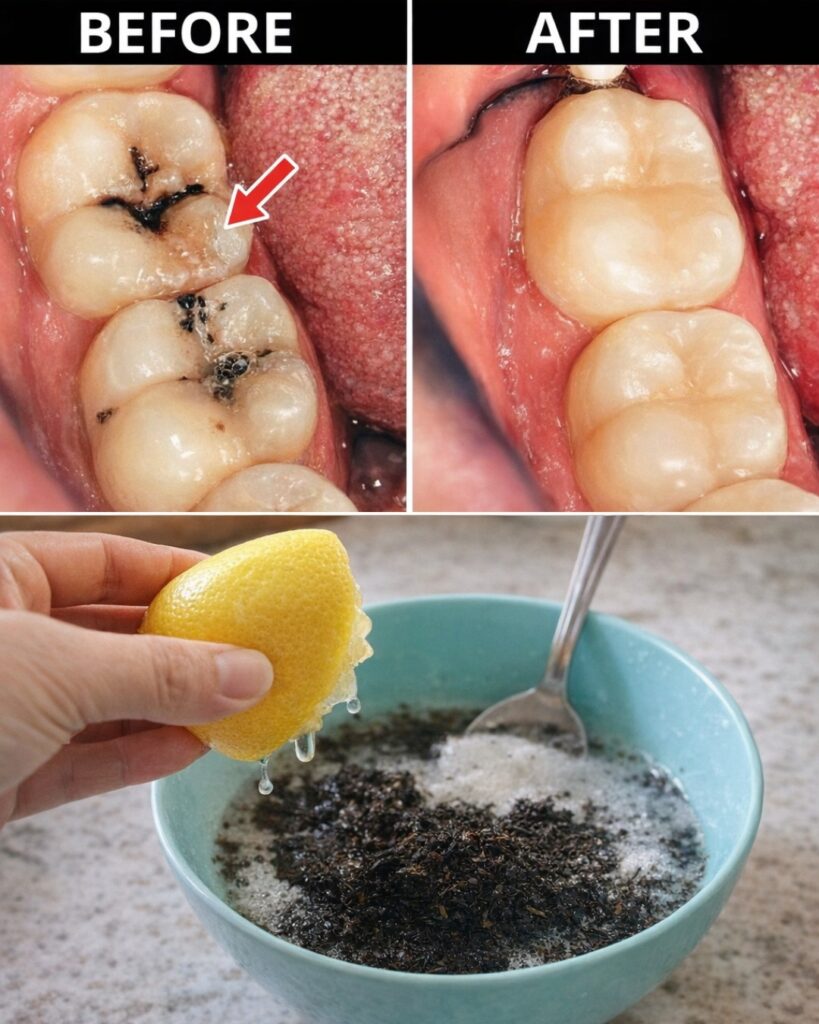
How to Naturally Support Early Tooth Decay Repair and Avoid the Dentist’s Drill
That subtle chalky white spot on your tooth might seem harmless at first—barely noticeable in the mirror. But deep down, it signals the beginning of enamel breakdown, a quiet alarm that early decay is underway. For many adults over 45, these spots bring waves of anxiety: the dread of sharp pain, expensive fillings, and that dreaded dental drill. The good news? In its very earliest stages—before a true cavity forms—research shows your teeth can often undergo a natural repair process called remineralization, where essential minerals rebuild weakened enamel and potentially halt or even reverse the damage.
This isn’t about miracle cures or ignoring professional dental care. It’s about creating the right conditions in your mouth to let your body’s natural defenses take the lead. And the best part? Many of the most effective steps are simple, everyday habits you can start today. Stick with me—by the end, you’ll discover the one small change that users often call their “easiest win” for stronger, healthier teeth.

The Everyday Battle Inside Your Mouth
Your teeth are under constant attack. Sugary snacks, starches, and acidic foods (think soda, citrus, or even frequent coffee) feed oral bacteria that produce enamel-eroding acids. This triggers demineralization—calcium and phosphate leach out, leaving the surface softer and more vulnerable.
But your saliva is your mouth’s built-in protector. It neutralizes acids, washes away food particles, and delivers minerals right back to the enamel. When remineralization outpaces demineralization, those early white spots can fade, and enamel can strengthen again. Studies highlight this delicate balance, showing it works best in the initial, non-cavitated stages.
Here’s the hopeful truth: catching these changes early gives your teeth a real fighting chance.
Why Early Intervention Matters Most
Imagine spotting faint white patches near your gumline after years of daily habits. Many people feel it’s “too late,” but a dental check often reveals it’s still early demineralization—no hole yet.
Research supports this window of opportunity: remineralization is most effective for white spot lesions or very early decay limited to the enamel. Once a physical cavity forms, natural repair isn’t possible, and professional treatment is needed. The key is acting before it progresses.
But how do you shift the balance toward healing? Let’s dive into practical, evidence-based strategies that can make a meaningful difference.
9. Boost Your Saliva Flow – Nature’s First Line of Defense
Dry mouth speeds up problems—less saliva means weaker acid neutralization and fewer minerals for repair. Many people notice this after certain medications or simply not drinking enough water.
But here’s a simple fix: sip water frequently throughout the day and consider chewing xylitol gum. Xylitol, a natural plant-based sweetener, stimulates saliva production while reducing harmful bacteria. Clinical studies show it helps create a healthier oral environment and supports remineralization.
Pro tip: Chew for 5–10 minutes after meals—the minty freshness is a bonus, and it feels like a quick reset for your mouth.

But saliva needs the right minerals to work effectively. That’s where the next step comes in…
8. Choose Remineralizing Toothpastes Wisely
Fluoride has long been the gold standard. It strengthens enamel by forming acid-resistant fluorapatite—backed by decades of research for preventing and reversing early decay.
Many also find success with nano-hydroxyapatite toothpastes. This ingredient mimics natural enamel minerals and shows promising results in studies for rebuilding surfaces, often with a smoother feel and less intense aftertaste.
Use your chosen toothpaste twice daily, and avoid rinsing right away so the minerals can linger longer.
Skeptical? That’s fair—results vary by individual—but combining this with dietary changes amplifies the effect.

7. Limit Sugars and Acids – Starve the Problem
Frequent sugar or acid exposure tips the scales toward demineralization. Even “just one” soda can start the cycle if it happens often.
Try this: cut back on sugary drinks and acidic snacks, swapping them for water or unsweetened herbal tea. Crunchy vegetables like celery act as natural tooth cleaners while boosting saliva.
Evidence consistently shows that reducing the frequency of sugar intake allows remineralization to take over.
Curious about foods that actively supply building blocks? Keep reading…
6. Load Up on Mineral-Rich Foods
Your diet plays a starring role in supporting repair from the inside out.
Focus on foods high in:
- Calcium & phosphorus — dairy (milk, cheese, yogurt), leafy greens (kale, spinach), nuts, and fatty fish (salmon, sardines)
- Vitamin D — sunlight exposure, fatty fish, egg yolks (helps absorb calcium)
- Vitamin K2 — fermented foods, certain cheeses, grass-fed butter (directs minerals to teeth and bones)
These nutrients create the ideal conditions for natural remineralization. Many people report better overall energy alongside improved oral comfort.
But none of this works without solid oral hygiene. Let’s cover the non-negotiable basics.
5. Master Proper Brushing and Flossing
Gentle, thorough cleaning removes plaque before acids cause damage.
Brush twice daily for two full minutes with a soft-bristle brush and your remineralizing toothpaste. Floss daily to clean between teeth where brushes can’t reach.
This simple routine disrupts bacterial biofilms, giving remineralization the upper hand.
Want an extra layer of protection? The next habit is easy and enjoyable.

4. Add Xylitol Products for Extra Support
Chewing xylitol gum or mints after meals reduces bacteria and boosts saliva flow. Research links it to lower decay risk, making it a smart add-on.
Users often describe it as a refreshing, minty lift that makes the habit stick.
3. Stay Hydrated and Avoid Dry Mouth Triggers
Water flushes acids and keeps saliva flowing. Aim for plenty throughout the day—many notice less “sticky” mouth feeling after consistent hydration.
Limit caffeine and alcohol, which can dry you out.
Now, the final pieces that tie everything together…

Quick Comparison of Key Remineralization Supporters
Here’s a handy overview of the most effective strategies:
| Strategy | How It Helps | Evidence Level |
|---|---|---|
| Fluoride Toothpaste | Forms stronger, acid-resistant enamel | Strong (widely recommended) |
| Nano-Hydroxyapatite | Mimics natural enamel, rebuilds surface | Growing (promising studies) |
| Xylitol Gum/Products | Boosts saliva, reduces harmful bacteria | Good (clinical support) |
| Mineral-Rich Diet | Supplies calcium, phosphate, vitamins from within | Supportive (dietary studies) |
| Reduced Sugar/Acids | Prevents excess demineralization | Strong (core prevention) |
This combination creates real synergy.
Safe Usage Guidelines and Precautions
- Choose fluoride or hydroxyapatite toothpaste and use as directed.
- Brush gently 2x daily; floss daily—avoid aggressive scrubbing.
- Make gradual diet changes for sustainability.
- See your dentist immediately for white spots that persist, cause pain, or show visible holes—professional evaluation is essential.
Don’t Wait for the Problem to Worsen
Picture steady comfort, no unexpected sensitivity, and renewed confidence in your smile. These habits—smart toothpaste choice, reduced sugars/acids, mineral-rich foods, diligent hygiene, and xylitol support—empower your body’s natural repair for early issues.
Many see gradual improvements over weeks to months. Start small today. P.S. That quick post-meal xylitol gum chew? It’s often the easiest first win!
This article is for informational purposes only and is not a substitute for professional medical or dental advice. Always consult your dentist or healthcare provider for personalized guidance, especially if you notice changes in your teeth.
FAQ
Can early white spot lesions really be reversed naturally?
In the earliest stages (before a cavity forms), yes—remineralization can often strengthen enamel and reduce the appearance of spots when supported by good habits and products like fluoride or hydroxyapatite toothpaste.
How long does it take to see improvements in early decay?
Results vary, but many notice subtle changes in sensitivity or spot appearance over weeks to months with consistent effort. Patience and routine are key.
Is nano-hydroxyapatite a safe alternative to fluoride?
Studies show it’s promising and comparable in effectiveness for early remineralization, with a good safety profile—especially for those seeking fluoride options. Discuss with your dentist to find what suits you best.
