
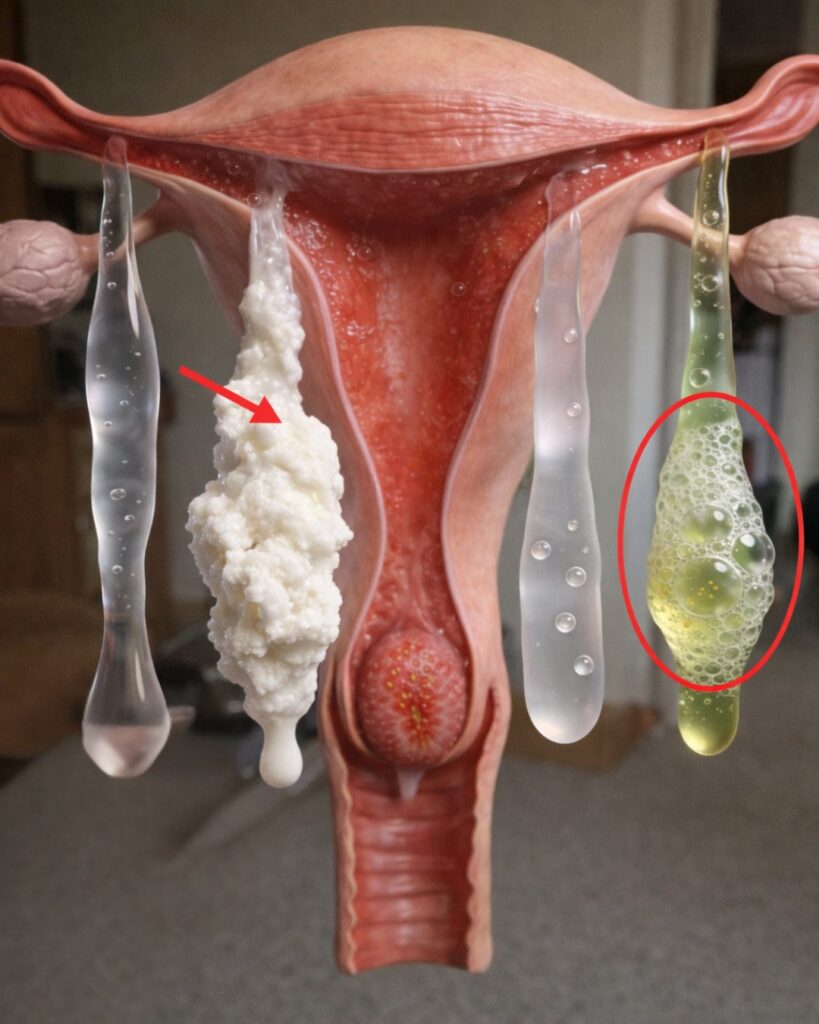
Everything You Need to Know About Vaginal Discharge: Normal Changes vs. When to Worry
Many women feel embarrassed or anxious when they notice changes in vaginal discharge — that sudden shift in color, amount, or odor can spark worry about whether something is seriously wrong. This discomfort often leads to silent suffering or unnecessary stress, even though most variations are completely natural parts of being a woman. The truth is, ignoring these signals or over-worrying can both miss important clues from your body. Understanding what’s typical versus what deserves attention empowers you to feel more in control and confident about your intimate health. And here’s the reassuring part you’ll discover by the end: most changes are harmless, but knowing the red flags can help you act quickly when it really matters.

What Is Vaginal Discharge and Why Does It Matter?
Vaginal discharge is a natural fluid produced by glands in your cervix and vagina.
It keeps the area clean by flushing out dead cells and bacteria.
This process protects against infections and maintains lubrication.
Far from being “dirty,” it’s your body’s built-in housekeeping system working as designed.
Research from trusted sources like the Mayo Clinic and ACOG shows this discharge plays a key role in vaginal health throughout life.

Why Vaginal Discharge Changes Throughout the Month
Your discharge isn’t meant to stay the same every day — that’s normal.
Hormones like estrogen and progesterone fluctuate during your menstrual cycle, causing shifts in texture, color, and volume.
But that’s not all — everyday factors like stress or diet can influence it too.
Here’s a quick breakdown of typical changes:
- After your period: Discharge may be minimal or feel dry.
- Leading up to ovulation: It often turns clear, stretchy, and slippery — like raw egg whites — to support fertility.
- After ovulation: It becomes thicker, creamier, or stickier as progesterone rises.
- Before your next period: It might increase slightly and feel more abundant.
These patterns help your body prepare for potential pregnancy or reset for the next cycle.

What Normal Vaginal Discharge Looks Like
Normal discharge varies between women, but it generally shares these traits:

- Color: Clear or white (sometimes with a slight yellow tint on underwear)
- Consistency: Thin and watery, creamy, or stretchy depending on the cycle phase
- Odor: Mild or none at all
- Amount: Varies daily, but not excessive enough to cause constant wetness
- Sensation: No itching, burning, irritation, or pain
Studies highlight that these features indicate a balanced vaginal microbiome — your body’s natural defense system.

When Vaginal Discharge Might Signal a Problem
Sudden or persistent changes paired with discomfort raise concern.
Here are common warning signs:
- Yellow, green, gray, or frothy discharge
- Strong, fishy, or unpleasant odor (especially after sex)
- Intense itching, burning, or redness
- Swelling around the vulva
- Pain during urination or intercourse
The key? These symptoms often appear together. If you notice several at once, it’s wise to consult a healthcare provider rather than trying to guess the cause.
Common Causes of Abnormal Discharge: Breaking It Down
Let’s look at the most frequent culprits behind problematic discharge.
Vaginal Yeast Infection (Candidiasis)
This happens when yeast (usually Candida) overgrows.
It’s very common after antibiotics, during hormonal shifts, or with high-sugar diets.
Typical signs include:
- Thick, white, clumpy discharge (often described as cottage cheese-like)
- Severe itching and irritation
- Burning, especially during sex or urination
Many women experience this at some point — it’s treatable, but recurring cases may need professional guidance.
Bacterial Vaginosis (BV)
BV occurs when the balance of “good” and “bad” bacteria tips.
It’s not always sexually transmitted but can follow new partners, douching, or hormonal changes.

Common features:
- Thin, grayish-white discharge
- Strong fishy odor, often more noticeable after intercourse
- Mild or no itching (unlike yeast infections)
Research from the CDC notes BV as one of the most common vaginal conditions, and prompt care helps prevent complications.
Sexually Transmitted Infections (STIs)
Certain STIs like trichomoniasis, chlamydia, or gonorrhea can alter discharge.
Trichomoniasis often causes frothy, yellow-green discharge with a strong odor and discomfort.
Early detection through testing protects your health and your partner’s.
Regular check-ups are especially important if you have new or multiple partners.
Here’s a simple comparison table:
| Condition | Discharge Appearance | Odor | Main Symptoms | Common Triggers |
|---|---|---|---|---|
| Normal | Clear/white, varies | Mild/none | None | Cycle hormones |
| Yeast Infection | Thick, white, clumpy | Usually none | Intense itching, burning | Antibiotics, hormones |
| Bacterial Vaginosis | Thin, gray/white | Fishy (after sex) | Mild discomfort, odor | Bacterial imbalance |
| Trichomoniasis | Frothy, yellow-green | Strong/unpleasant | Itching, pain during urination | Sexual contact |
Other Everyday Factors That Influence Discharge
Hormonal birth control can thin or thicken discharge based on estrogen effects.
Pregnancy often increases clear or white discharge as your body protects the uterus.
Stress disrupts hormones, sometimes leading to temporary changes.
Poor sleep or diet can weaken immunity, making imbalances more likely.
Simple Habits for Better Vaginal Health
Your vagina is self-cleaning — no need for aggressive intervention.
Follow these actionable steps:
- Wash only the external vulva with warm water and fragrance-free, mild soap.
- Avoid douches, scented wipes, or sprays — they disrupt natural balance.
- Choose breathable cotton underwear and change it daily.
- Wear loose clothing to reduce moisture buildup.
- Wipe front to back after using the bathroom to prevent bacteria spread.
These small habits support your body’s defenses and reduce infection risk.
Vaginal Discharge Across Life Stages
In adolescence: First discharge often signals puberty — it’s normal, even if surprising. Open talks help ease fears.

During pregnancy: Increased thin, white discharge is common and protective.
In menopause: Lower estrogen can cause dryness and less discharge, leading to discomfort. Effective options exist to manage symptoms.
Listening to Your Body: The Ultimate Self-Care Tool
Track what’s normal for you — subtle patterns emerge over time.
This awareness turns discharge from a mystery into a helpful signal.
When something feels persistently off, trust your instincts and seek professional advice.
Early attention prevents small issues from growing.
Final Thoughts
Vaginal discharge is a natural, valuable part of women’s health — not something to fear or hide.
By understanding its changes, you gain confidence and peace of mind.
Embracing open conversations breaks stigma and supports better care for every stage of life.
Frequently Asked Questions (FAQ)
Is it normal for vaginal discharge to change every day?
Yes — daily variations tied to your cycle, hormones, and lifestyle are completely normal and expected.
When should I see a doctor about vaginal discharge?
See a provider if you notice unusual color, strong odor, itching, burning, or pain that persists or worsens.
Can stress really affect vaginal discharge?
Absolutely — chronic stress influences hormones, which can alter discharge amount, consistency, or balance.
Disclaimer: This article is for informational purposes only and not a substitute for professional medical advice. Always consult a qualified healthcare provider for personalized diagnosis and treatment. If you have concerns about your symptoms, seek medical attention promptly.


