
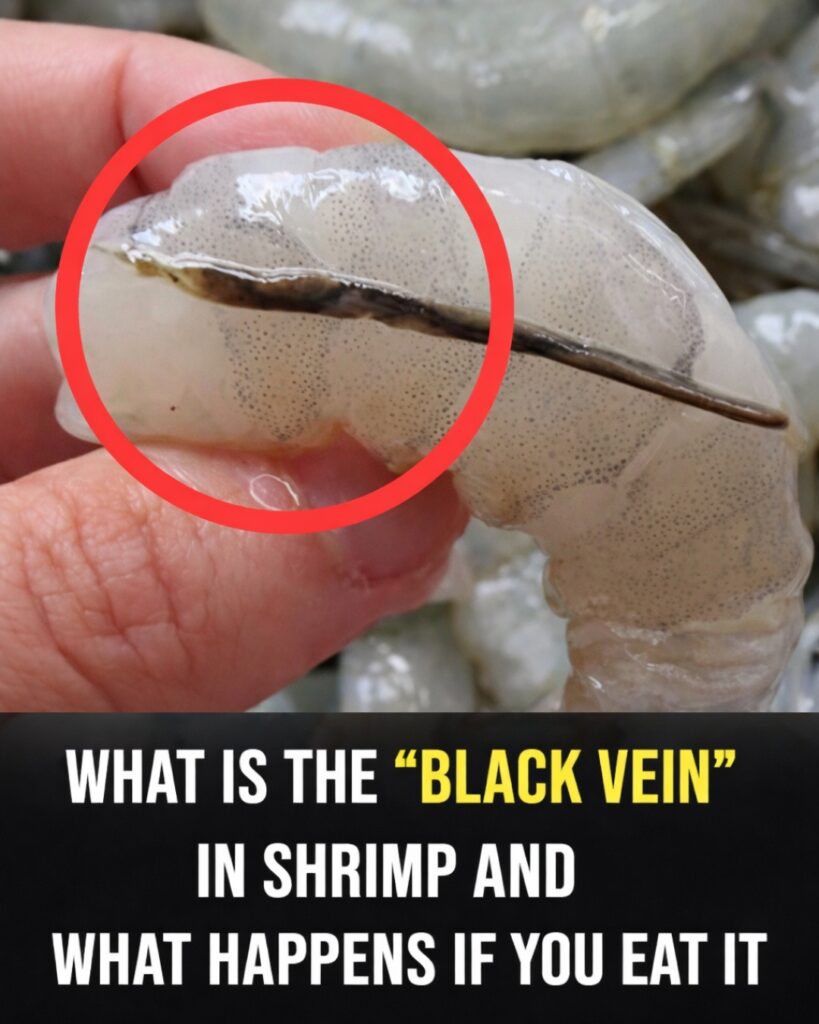
The “Vein” in Shrimp: The Culinary Detail Few Understand (But Many Debate)
Shrimp is one of the most beloved seafood ingredients around the world. From grilled skewers to creamy pastas and flavorful stir-fries, its delicate taste and versatility make it a favorite in countless kitchens.
However, there’s one small detail that often sparks debate among home cooks and chefs alike: the dark “vein” running along the back of the shrimp.
Should you remove it—or is it safe to leave it?
Let’s break down the truth behind this commonly misunderstood feature and how it affects your cooking.
🦐 What Is the “Vein” in Shrimp?
Despite its name, the so-called “vein” is not a blood vessel.
👉 It is actually the digestive tract (intestine) of the shrimp.
This dark line may contain:
- Undigested food particles
- Sand and grit from the ocean floor
- Waste material (yes, shrimp feces)
While this might sound unappetizing, it’s completely natural for crustaceans.

⚠️ Is It Safe to Eat?
Technically, yes—it is generally safe to eat shrimp with the vein intact.
- Cooking shrimp at proper temperatures kills most harmful bacteria
- Many people consume it without noticing any issues
However…
👉 Safety doesn’t always equal enjoyment.
🍽️ Why Many Chefs Remove It
Removing the vein is less about safety and more about taste, texture, and presentation.
✔️ Better Flavor
The digestive tract can introduce a slightly bitter or muddy taste, especially in larger shrimp.
✔️ Improved Texture
If not removed, it may feel gritty or sandy when you bite into the shrimp.
✔️ Cleaner Presentation
Deveined shrimp look more appealing and professional—especially in dishes where appearance matters.

🧼 When Should You Remove the Vein?
Not all shrimp require the same level of preparation.
👉 You should definitely remove it when:
- The shrimp are large or jumbo-sized
- The vein is clearly visible and dark
- You’re preparing a refined or restaurant-style dish
👉 You can skip it when:
- The shrimp are very small
- The vein is barely noticeable
- You’re cooking dishes with strong sauces or seasonings
🔪 How to Clean (Devein) Shrimp Properly
Cleaning shrimp is quick and easy once you know the technique:
Step-by-step guide:
- Peel the shrimp (remove shell and legs, leave tail if desired)
- Use a small knife to make a shallow cut along the back
- Locate the dark line (intestine)
- Gently lift it out using the tip of the knife or a toothpick
- Rinse the shrimp under cold water
💡 Pro tip: You can also buy pre-cleaned and deveined shrimp to save time.
🌊 Does It Really Make a Difference?
Yes—especially if you care about quality cooking.
Leaving the vein intact may not harm you, but it can:

- Affect the taste
- Add unwanted texture
- Reduce the overall dining experience
Removing it, on the other hand, ensures:
- Cleaner flavor
- Better presentation
- A more enjoyable meal
✅ Final Thoughts
The “vein” in shrimp is a small detail—but one that can make a big difference.
While it’s not dangerous to eat, removing it is a simple step that elevates your dish from average to excellent. Whether you’re cooking at home or aiming for restaurant-quality results, taking a few extra seconds to clean your shrimp is well worth it.
💬 Want More Kitchen Tips?
Discover more practical cooking insights and simple techniques to upgrade your meals—check the comments below for the full guide and video tutorial!
