
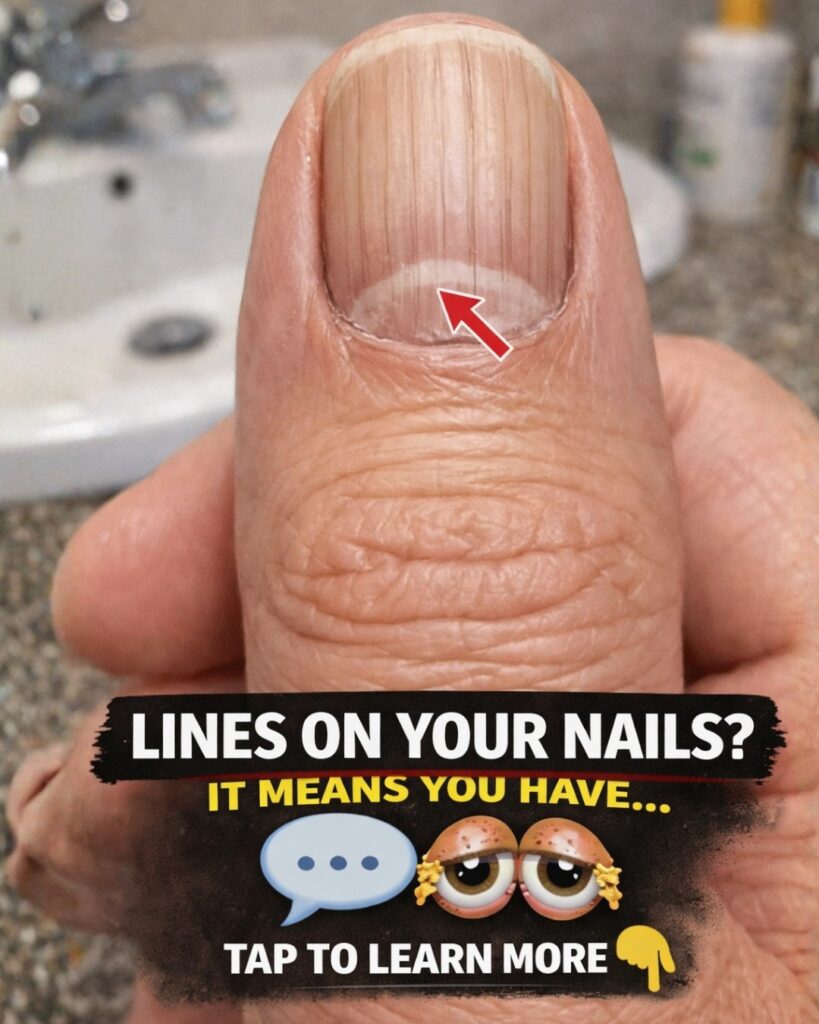
Many people notice small lines or ridges on their fingernails and quietly wonder what they mean for their health. In some cases these lines are completely harmless and simply part of getting older. In other cases they can be a gentle signal that your body is asking for a little extra care with nutrition, hydration, or stress management.
Your nails grow slowly and act like a timeline of what’s been happening inside you. That’s why paying attention to changes in their appearance can offer helpful clues without causing unnecessary alarm. In this article, we’ll explore the most common types of lines on fingernails, why they appear, and simple everyday steps you can take to support stronger, healthier nails.
Why Fingernails Show Lines and Ridges
Fingernails are made primarily of keratin, the same strong protein found in your hair and skin. They grow from the nail matrix located under the cuticle, so any temporary disruption in your body’s systems during growth can leave a visible mark as the nail moves forward.
Common reasons lines appear include natural aging, changes in diet, periods of stress, dehydration, or minor injury to the nail area. While many of these changes are normal, understanding the difference between harmless ridges and those worth monitoring can bring peace of mind and help you take better care of yourself.
But that’s not the full story. Let’s look closer at the different types of lines you might see.
Vertical Lines on Nails – The Most Common Kind
Vertical lines, or longitudinal ridges, run from the base of the nail to the tip. If you’re in your 30s, 40s, or beyond, you’ve likely noticed a few of these starting to show up.
In most cases, they’re harmless and develop because:
- Cell renewal in the nail matrix naturally slows with age
- Skin and cuticles become drier over time
- Minor daily wear and tear on the nails
- Genetics play a role for some people
You can think of vertical nail ridges like fine lines on your face — they often appear gradually and are simply part of the natural aging process.
However, if the ridges suddenly become very deep or are accompanied by brittle, splitting nails, they may be linked to everyday factors such as:

- Not getting enough iron, biotin, zinc, or magnesium
- Changes in how well your body absorbs nutrients
- Variations in thyroid function or circulation
The important thing is to notice patterns rather than worry about every single line.
Horizontal Lines on Nails (Beau’s Lines)
Horizontal grooves that stretch across the nail are called Beau’s lines. Unlike vertical ridges, these often appear after the body has gone through a temporary period of significant stress.
Because nails grow slowly — about 3 millimeters per month — the line may not show up until weeks or even months after the triggering event.
Common situations associated with Beau’s lines include:
- Recovery from a high fever or serious infection
- Intense physical or emotional stress
- Major shifts in nutrition or zinc levels
- Certain medical treatments that affect cell growth
Seeing a horizontal line is often your body’s way of recording a past challenge rather than signaling an ongoing problem.
Deep Grooves or Multiple Lines Across Several Nails
When multiple nails develop deeper grooves, cracks, or several visible lines, it can suggest the body experienced a more prolonged period of stress or nutritional imbalance.
Possible contributing factors often include:
- Lower protein intake over weeks or months
- Digestive issues that affect nutrient absorption
- Ongoing dehydration
- Certain longer-term health conditions
These visible marks usually fade as new nail grows in, especially when you support your body with consistent healthy habits.
Lines on Nails with Color Changes
When nail lines appear together with changes in color — such as dark streaks, yellowing, whitening, or unusual thickness — it’s smart to pay closer attention.
Examples that often prompt a conversation with a healthcare provider include:

- A single dark brown or black line running down the nail
- Nails that turn yellowish and become thicker
- Nails that look unusually white or develop a spoon-like curve
While many color variations are still harmless, combining them with lines can sometimes overlap with other health signals worth checking.
When Nail Lines Are Completely Normal
The truth is, most people will develop some nail lines as they age, and that’s perfectly okay.
You usually don’t need to worry if:
- The lines are mild and have appeared gradually
- There is no pain, swelling, or sudden color change
- Your nails otherwise feel strong and grow normally
Vertical ridges in particular are very common after age 30 or 40 and are often just a natural part of life, much like gray hair or smile lines.
Everyday Habits That Support Healthier Nails
Supporting your nail health doesn’t require complicated routines. Small consistent actions can make a noticeable difference over time.
Here are five simple steps you can start today:
- Eat foods rich in key nutrients
Include eggs, nuts, seeds, leafy greens, lean proteins, and colorful fruits and vegetables to naturally provide biotin, zinc, iron, protein, and vitamins A, C, and D. - Drink enough water every day
Proper hydration helps keep nails flexible and can reduce the appearance of ridges caused by dryness. - Moisturize your nails and cuticles
Rub a small amount of coconut oil, jojoba oil, or vitamin E oil into your nails and cuticles each evening. Gentle massage also boosts local circulation. - Protect your hands from daily damage
Wear gloves when doing dishes, cleaning, or gardening. Avoid using your nails as tools for prying or scraping. - Give your nails occasional breaks
Limit frequent gel manicures or acrylic nails, which can weaken the nail surface over time.
Quick Comparison of Common Nail Lines
| Type of Line | Direction | Often Related To | Typical Action Needed |
|---|---|---|---|
| Vertical Ridges | Lengthwise | Aging, mild dehydration, genetics | Focus on hydration and nutrition |
| Horizontal Grooves (Beau’s) | Across the nail | Past illness, stress, nutrient gap | Reflect on recent health events |
| Deep Multiple Grooves | Mixed | Prolonged stress or absorption issues | Support overall diet and hydration |
One Surprising Habit Many People Miss
Beyond diet and moisturizing, gently buffing the surface of your nails with a soft, fine-grit buffer every couple of weeks can help smooth minor ridges and improve how light reflects off the nail. Do this lightly — never aggressively — and always follow with oil. Combined with the habits above, many people notice their nails looking smoother and healthier within 4–8 weeks.
When to Consider Seeing a Healthcare Professional
While most nail lines are harmless, certain changes are worth discussing with your doctor:
- Deep horizontal lines appearing across several nails
- Sudden changes in nail color or thickness
- Pain, redness, or swelling around the nail area
- Nails that become extremely brittle, thin, or distorted
A professional can help determine whether the changes are cosmetic or related to something that needs further attention.

Final Thoughts
Your fingernails may seem like a small detail, but they quietly reflect how you’re nourishing and caring for your body day to day. Vertical lines are often just signs of time passing, while horizontal lines can gently remind you to check in with your stress levels, diet, and overall habits.
By staying hydrated, eating nutrient-rich foods, protecting your hands, and moisturizing regularly, you give your nails the best chance to stay strong and smooth. Paying gentle attention to these little signals isn’t about worry — it’s about understanding your body better and feeling more confident in your daily health choices.
Frequently Asked Questions
Can vertical ridges on nails disappear completely?
Mild vertical ridges caused by aging or dryness often become less noticeable with consistent hydration, nutrition, and moisturizing, though they may not vanish entirely once formed.
Do horizontal lines on nails always indicate a serious issue?
No. Horizontal lines (Beau’s lines) usually reflect a past period of physical stress or illness rather than a current serious problem. Still, if they appear on many nails or keep forming, it’s wise to speak with your doctor.
How long does it take for nail lines to grow out?
Fingernails typically grow about 3 mm per month. A line near the cuticle can take 4 to 6 months to reach the free edge and grow out completely, depending on your age and health.
Disclaimer: This article is for educational and informational purposes only. It is not intended to diagnose, treat, or replace professional medical advice. Always consult a qualified healthcare provider with any concerns about your nail health or general well-being.
