
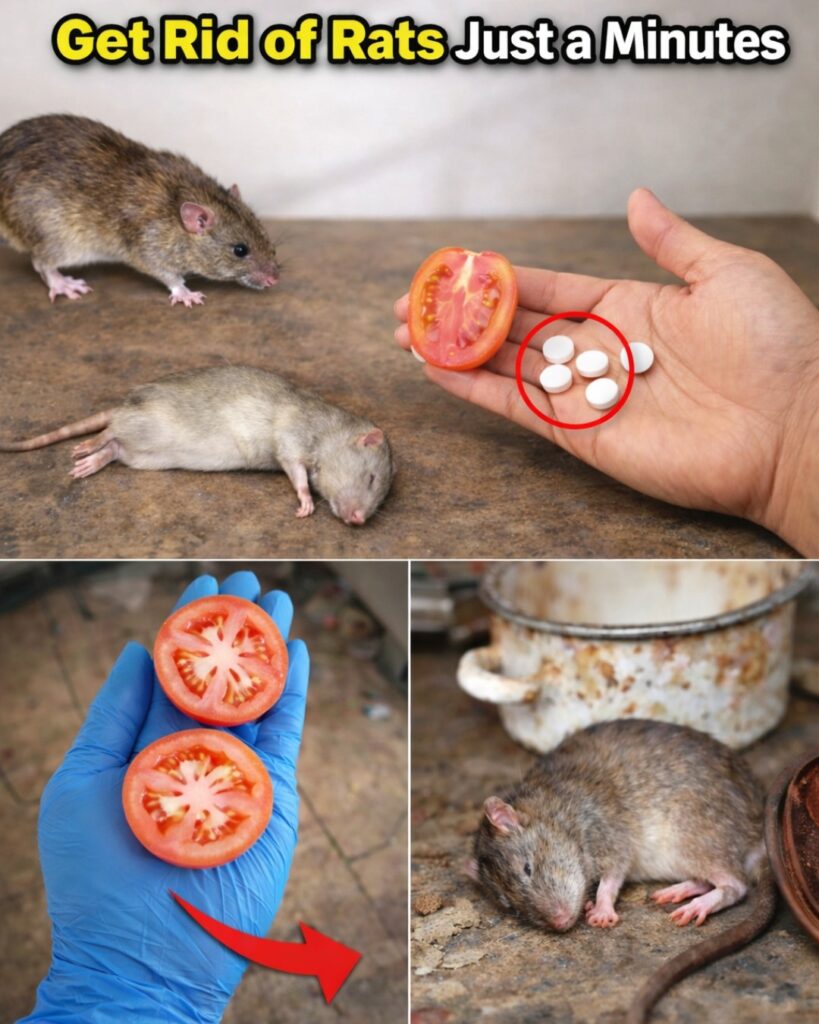
10 Natural Ways to Repel Mice and Rats Quickly (Without Poisons or Traps)
Spotting a mouse scurrying across your kitchen floor or hearing scratching in the walls at night is enough to make anyone’s skin crawl. These uninvited guests can contaminate food, chew through wires, and spread bacteria, turning your cozy home into a stressful battleground. The panic sets in fast—especially when you have kids or pets around—and the thought of using harsh chemicals or cruel traps feels like the last resort you’d want. The good news? Many everyday items in your kitchen can help deter rodents using strong scents they naturally avoid, offering a safer, non-toxic starting point to reclaim your space.
But here’s the part most people miss: while these natural options can create an uncomfortable environment that encourages rodents to leave quickly, their real power comes from consistent use combined with sealing entry points. Stick around, because by the end, you’ll discover the one simple step that turns temporary relief into long-term prevention.

Why Rodents Invade Homes—and Why Scents Matter
Mice and rats have an extraordinary sense of smell, far more sensitive than ours. They rely on it to find food, detect danger, and navigate. Strong, overwhelming odors can disrupt their comfort, mask familiar trails, or signal threats like predators. Research on rodent behavior shows that certain pungent compounds irritate their nasal passages or mimic danger signals, prompting avoidance.
These natural repellents aren’t instant “disappear in 60 seconds” miracles—real results vary by infestation size, rodent determination, and how consistently you apply them. But many homeowners report quick deterrence when used right, especially for mild issues or prevention.
Top Natural Repellents: What Works and How to Use Them
Here are 10 practical, pantry-based options backed by common use and some supporting observations from pest experts.
1. Peppermint Oil Spray
Peppermint’s menthol scent overwhelms rodents’ sensitive noses. Studies and anecdotal reports suggest it can temporarily deter them by irritating airways or masking pheromone trails.
- Mix 10-15 drops of pure peppermint essential oil with 1 cup water and a few drops of dish soap (helps it stick).
- Pour into a spray bottle.
- Mist around baseboards, windows, doors, entry points, and dark corners daily.
- Reapply every few days as the scent fades.
Bonus: It leaves your home smelling fresh.

2. Crushed Garlic Cloves
Garlic’s sulfur compounds create a sharp, pungent barrier rodents dislike.

- Crush 4-5 fresh cloves.
- Place them in small dishes near entry points, under appliances, or along walls.
- Replace every 2-3 days to maintain potency.
The aroma acts fast to discourage activity in treated areas.
3. Fresh Cut Onions
Onions release irritating sulfur gases similar to garlic.
- Cut an onion in half.
- Place halves near problem spots like sinks, garages, or pantries.
- Swap daily—onions spoil quickly.
This is a cheap, immediate option for high-activity zones.
4. Cayenne Pepper Powder
The capsaicin in cayenne creates a spicy irritation rodents avoid.
- Sprinkle powder along baseboards, behind cabinets, or under stoves.
- Or mix with water for a spray.
- Reapply after cleaning or rain.
It forms an invisible “fiery” line they hesitate to cross.
5. Whole Cloves or Clove Oil
Cloves’ eugenol compound is another strong scent rodents find unpleasant.
- Place sachets of whole cloves in cupboards or drawers.
- Or soak cotton balls in clove oil and tuck into corners.
- Refresh weekly.
Safe and aromatic for humans.

6. Ammonia Solution (Use with Caution)
Ammonia mimics predator urine, triggering a fear response in rodents.
- Mix 2 cups household ammonia with water in a shallow bowl.
- Place in active areas (away from pets and kids).
- Ventilate well—it’s strong!
Avoid if you have cats or birds; use sparingly indoors.

7. White Vinegar Spray
Vinegar’s acetic acid offers a sharp, acidic deterrent.
- Use undiluted or half-and-half with water.
- Spray in attics, storage areas, or droppings spots.
- Reapply frequently.
Great for cleaning while repelling.
8. Bay Leaves
Rodents may nibble bay leaves but flee from the released compounds.
- Scatter fresh or dried leaves in pantries and cupboards.
- Replace monthly.
Simple and low-effort.
9. Steel Wool for Sealing + Scent Boost
Mice squeeze through dime-sized holes—block them physically.
- Stuff steel wool into gaps around pipes, vents, doors.
- Soak in peppermint or clove oil first for double action.
- Cover with caulk for permanence.
This is the game-changer for prevention.
10. Ultrasonic Repellers Combined with Scents
These devices emit high-frequency sounds rodents may find annoying.
- Plug in coverage areas.
- Pair with peppermint or garlic nearby for enhanced effect.
Note: Research shows mixed results—rodents often habituate, so don’t rely solely on them.


Quick Comparison: Effectiveness and Ease
- Fastest Scent Impact — Peppermint oil, cayenne, ammonia (strong immediate irritation)
- Longest Lasting — Steel wool sealing + essential oils (physical barrier)
- Pet/Kid Safe — Peppermint, cloves, bay leaves, vinegar (avoid ammonia)
- Cost — All under $10 to start
Combine 2-3 methods for best results.
Step-by-Step Action Plan to Start Today
- Inspect your home for entry points (gaps >1/4 inch) and signs like droppings.
- Clean thoroughly—remove food sources.
- Seal holes with steel wool and caulk.
- Apply your chosen repellents (start with peppermint spray everywhere).
- Monitor for 1-2 weeks; reapply scents.
- If activity persists, consider professional help.
Final Thoughts
These natural approaches give you safe, eco-friendly tools to make your home less inviting to mice and rats—without poisons or traps. They’re affordable, easy to try, and many people see fewer sightings quickly when combined with sealing. Focus on prevention, and you’ll protect your family and home the gentle way.
FAQ
Do these natural repellents work instantly?
They can deter rodents within hours due to overwhelming scents, but full results take consistent application and sealing—often days to weeks.
Are these safe around pets and children?
Most (like peppermint, vinegar, cloves) are, but keep ammonia, cayenne, and essential oils out of reach—consult a vet if unsure.
What if natural methods aren’t enough?
For heavy infestations, they may only reduce activity. Call a pest professional for safe, thorough removal.
Disclaimer: The suggestions here are for informational purposes only and based on common household practices. They are not guaranteed to eliminate rodents in every situation. For persistent problems or health concerns, consult a licensed pest control expert.
