
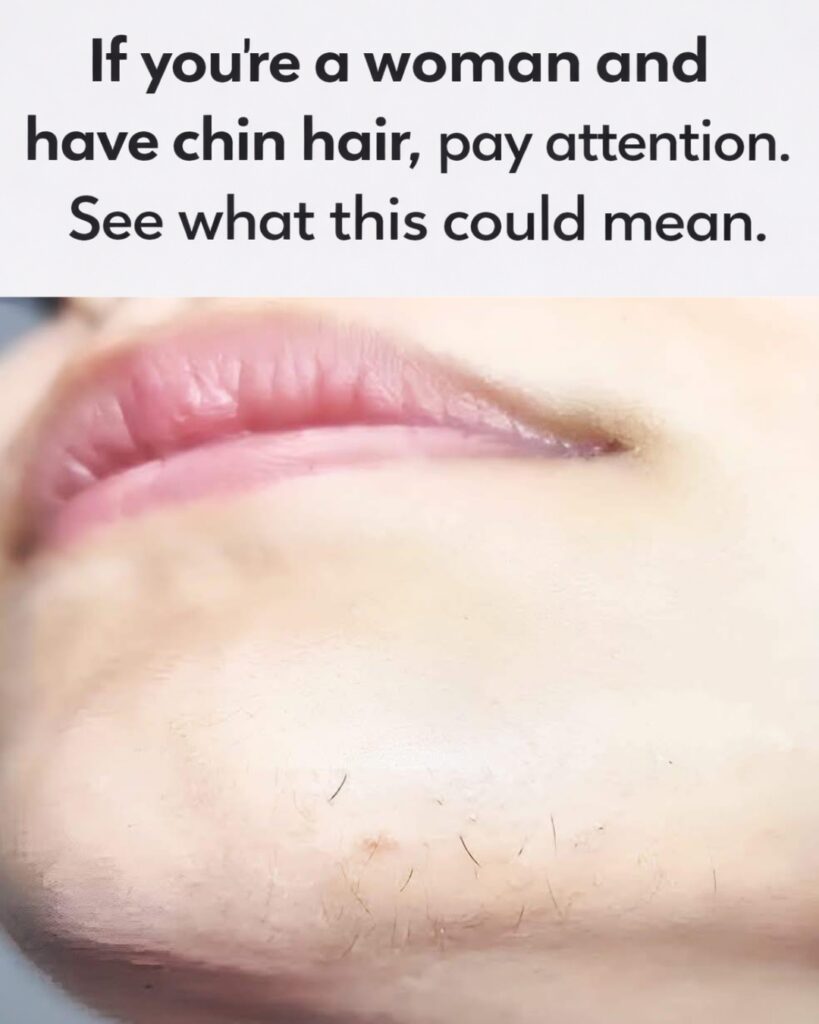
Chin Hair in Women: What It Could Mean for Your Health
Noticing chin hair as a woman can feel surprising or even concerning. While it’s often completely normal, in some cases it may signal underlying hormonal changes or health conditions. Understanding the causes can help you decide when it’s harmless—and when to pay closer attention.
Is Chin Hair in Women Normal?
Yes, having a few hairs on the chin is completely normal for many women. Hair growth varies based on genetics, ethnicity, and hormone levels. Some women naturally have darker or thicker hair due to higher sensitivity to androgens (male hormones like testosterone).
However, if the hair becomes coarse, thick, or suddenly increases, it may indicate something more than normal variation.
Common Causes of Chin Hair Growth
1. Hormonal Imbalance
The most common cause of noticeable chin hair is a shift in hormone levels—particularly an increase in androgens.
This can happen due to:
Stress
Poor sleep
Hormonal fluctuations during menstrual cycles
2. Polycystic Ovary Syndrome (PCOS)
One of the leading medical causes of excessive facial hair in women is PCOS.
Other symptoms may include:
Irregular periods
Acne
Weight gain

Thinning hair on the scalp

PCOS affects hormone balance, causing increased androgen levels, which can lead to unwanted facial hair growth.
3. Menopause
During menopause, estrogen levels drop while androgens become more dominant. This shift can cause:
New facial hair growth
Thinning hair on the head
Skin changes
This is a natural part of aging for many women.
4. Genetics
If your mother or grandmother had chin hair, you’re more likely to have it too. Genetics plays a major role in:
Hair thickness
Growth patterns
Hormone sensitivity
5. Certain Medications
Some medications may stimulate hair growth, including:
Steroids
Hormonal treatments
Certain drugs for endometriosis

If you notice changes after starting a new medication, it’s worth discussing with a doctor.
When Should You Be Concerned?
You should consider seeking medical advice if you notice:
Sudden increase in facial hair
Thick, dark, coarse hair growth
Irregular menstrual cycles
Acne or unexplained weight gain
These signs may point to an underlying hormonal issue that needs evaluation.
How to Manage Chin Hair Safely
Temporary Solutions
Tweezing
Waxing
Threading
Shaving (safe if done properly)

Long-Term Options
Laser hair removal
Electrolysis
Hormonal treatments (if medically necessary)
Natural Ways to Support Hormonal Balance
While not a cure, these habits may help regulate hormones:
Eat a balanced, whole-food diet
Reduce sugar and processed foods
Exercise regularly
Manage stress levels
Get enough sleep
Final Thoughts
Chin hair in women is usually harmless, but in some cases, it can be a signal from your body that something is out of balance. The key is to observe changes and understand your body.
If the hair growth is mild and stable, it’s likely normal. But if it’s sudden or accompanied by other symptoms, don’t ignore it—your health might be trying to tell you something important.
