
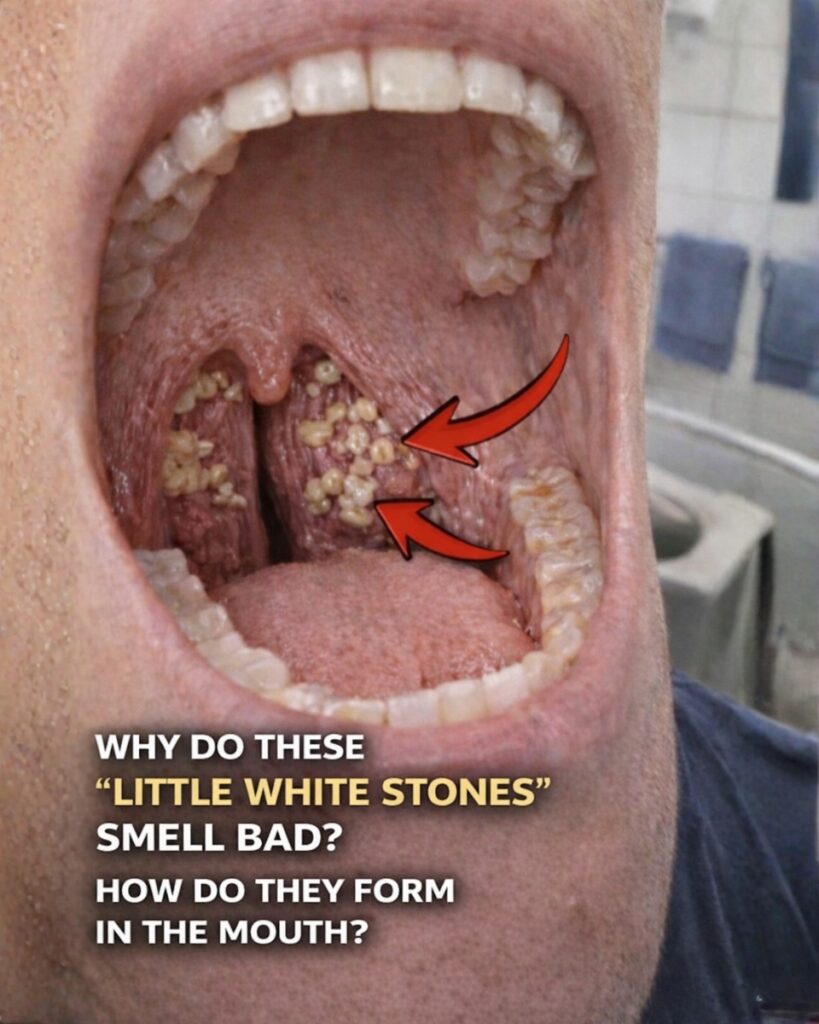
Tonsil Stones Revealed: The Hidden Cause Behind Bad Breath and Throat Discomfort
Have you ever brushed your teeth, used floss, and rinsed with mouthwash—yet still noticed persistent bad breath?
Or maybe you’ve felt a slight irritation in your throat… like something is stuck when you swallow?
For many people, the answer may be something surprisingly simple: tonsil stones.
These small, often unnoticed formations can quietly affect daily comfort and confidence—yet many people don’t even realize they have them.
Let’s explore what they are, why they form, and gentle ways to manage them.
What Are Tonsil Stones?
Tonsil stones (also known as tonsilloliths) are small, solid formations that develop in the tiny crevices of the tonsils.
They form when:
Food particles, mucus, and dead cells become trapped
Bacteria begin to break down this material
Over time, minerals like calcium harden the buildup
The result is small white or yellowish deposits that can range in size from tiny grains to pea-sized pieces.
👉 In most cases, they are not harmful—but they can be uncomfortable and affect breath freshness.
Common Signs You Might Notice
Tonsil stones don’t always cause obvious symptoms, but some people experience:
Persistent bad breath that doesn’t improve with brushing
A feeling of something stuck in the throat
Mild throat irritation or discomfort when swallowing

Small white or yellow spots visible on the tonsils
Occasional coughing up small, foul-smelling particles
A metallic or unpleasant taste in the mouth
Referred ear discomfort (a sensation linked to the throat)

Many people live with these symptoms for years without knowing the cause.
Why Do Some People Get Them More Often?
Several factors may increase the likelihood of developing tonsil stones:
Naturally deep tonsil crevices
Inconsistent oral hygiene habits
Frequent throat or tonsil irritation
Dry mouth (reduced saliva flow)
Post-nasal drip (excess mucus)
Diets high in sugar or dairy
It’s often a combination of these factors rather than a single cause.
Gentle Ways to Manage Tonsil Stones at Home
If symptoms are mild, many people find relief through simple daily habits:
1. Salt Water Gargling
Mix ½ teaspoon of salt in warm water and gargle 2–3 times daily.
This may help loosen debris and support a cleaner oral environment.
2. Gentle Removal with a Cotton Swab
Using a clean, damp cotton swab, gently press around (not directly on) the area.

⚠️ Stop if you feel pain or notice bleeding.
3. Water Flosser (Oral Irrigator)
A low-pressure water flosser can help flush out debris from tonsil crevices.
👉 Use gently to avoid irritation.
4. Diluted Apple Cider Vinegar Gargle
Mix a small amount with warm water and use occasionally.
The mild acidity may help break down buildup.
5. Probiotic Support
Certain beneficial bacteria (like Streptococcus salivarius) may help support oral balance.
Found in lozenges or probiotic-rich foods.
6. Stay Hydrated
Drinking water regularly helps maintain saliva flow, which naturally cleanses the mouth.
7. Improve Daily Oral Hygiene
Clean your tongue daily
Floss regularly
Choose alcohol-free mouthwash
Small habits can make a noticeable difference over time.
When Should You See a Professional?
Consider seeking guidance from a healthcare professional if you notice:
Large or deeply embedded stones
Persistent discomfort or pain
Recurrent tonsil irritation
Ongoing bad breath despite consistent care
Visible swelling or asymmetry

In rare cases, further treatment may be discussed—but this is usually not necessary.
A Simple Daily Routine
To support long-term comfort:
Morning & evening: Saltwater gargle
After meals: Drink water or chew sugar-free gum
Daily: Gentle oral care routine
Weekly: Check tonsils under good lighting
Consistency is key.
Final Thoughts
Tonsil stones are more common than many people think. While they can be uncomfortable, they are usually manageable with gentle care and good daily habits.
Many people notice improvement in breath freshness and throat comfort within a couple of weeks of consistent routine.
⚠️ Important Note
This article is for educational purposes only and does not replace professional medical advice.
If you experience persistent pain, difficulty swallowing, fever, or unusual symptoms, please consult a qualified healthcare provider.
Avoid using sharp tools or forceful methods to remove tonsil stones.
💬 Want more simple wellness tips like this?
Check the link in the comments and explore more natural routines for everyday comfort.
