
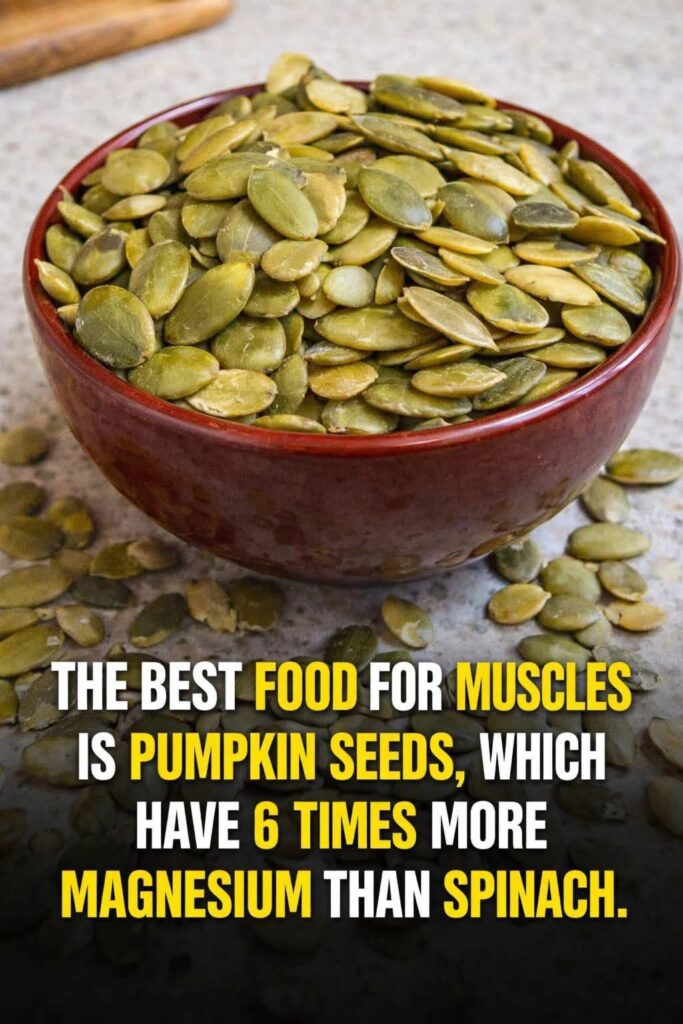
Magnesium plays a role in hundreds of processes in the body. It helps muscles contract and relax properly, supports nerve signals, and contributes to bone strength. Research shows that many adults don’t reach recommended intake levels, which can affect energy and recovery after activity.
Studies from sources like the USDA highlight that low magnesium intake is common in modern diets. Adding nutrient-dense foods can help bridge this gap naturally.
Pumpkin Seeds: A Nutrient Powerhouse
Pumpkin seeds, also known as pepitas, pack impressive nutrition in every bite. A typical 1-ounce serving (about a small handful) of roasted pumpkin seeds provides around 150-165 mg of magnesium. That’s roughly 35-40% of the daily value for most adults.
Beyond magnesium, they offer healthy fats, protein, zinc, and antioxidants. These nutrients work together to support heart health and general vitality.
How Do Pumpkin Seeds Compare to Spinach?
Spinach gets a lot of praise as a magnesium source, but let’s look at the numbers for clarity.
- Cooked spinach: About 78-87 mg of magnesium per 100 grams (or roughly 150-160 mg per cup cooked).
- Roasted pumpkin seeds: Around 550 mg per 100 grams, meaning a 30-gram serving delivers far more in a smaller volume.
This makes pumpkin seeds a more concentrated option. While spinach brings vitamins like K and folate, pumpkin seeds excel when you want magnesium without eating large amounts.

Here’s a quick comparison table (per approximate realistic serving):
- 1 oz (28g) roasted pumpkin seeds: ~150-165 mg magnesium
- 1 cup cooked spinach: ~150-160 mg magnesium
Pumpkin seeds achieve similar magnesium in a fraction of the volume, plus added crunch and flavor.
The Science Behind Magnesium and Muscle Support
Magnesium contributes to normal muscle function by helping regulate contractions and relaxation. It also aids in energy production during physical activity.
Research indicates that adequate magnesium intake supports recovery and may reduce occasional muscle tension. Pumpkin seeds provide this mineral alongside protein and healthy fats for balanced support.
But that’s not all… these seeds include omega-3s and other compounds that promote heart health by helping maintain healthy cholesterol levels and blood vessel function.
Simple Ways to Add Pumpkin Seeds to Your Day
Incorporating pumpkin seeds is easy and versatile. Here are actionable tips to get started right away:

- Sprinkle a handful on yogurt or oatmeal for breakfast crunch.
- Toss them into salads for added texture and nutrients.
- Blend into smoothies for a subtle nutty flavor.
- Roast lightly at home: Spread raw seeds on a baking sheet, add a dash of salt or spices, and bake at 300°F for 15-20 minutes.
- Mix into trail mix with nuts and dried fruit for an on-the-go snack.
Start with 1-2 ounces daily to enjoy the benefits without overdoing calories (they’re nutrient-dense, so portion control helps).
More Benefits You Might Not Expect
Pumpkin seeds offer zinc for immune support and antioxidants that combat everyday oxidative stress. Their fiber content aids digestion, promoting gut comfort.
Regular inclusion as part of a varied diet can contribute to sustained energy and better sleep quality, thanks to magnesium’s calming role.
Potential Downsides and Smart Choices
Like any food, moderation matters. Pumpkin seeds are calorie-rich from healthy fats, so stick to small portions if watching intake. Choose unsalted varieties to keep sodium low.
Some people may have allergies to seeds—check if this applies to you.
Wrapping It Up: Make Pumpkin Seeds Your Go-To Snack
Pumpkin seeds provide an easy, enjoyable way to boost magnesium and other key nutrients. Their superior concentration compared to spinach makes them a smart addition for supporting muscle function, bone health, and heart well-being.

Try adding them today and notice how small changes add up. Your body will thank you for the natural support.
FAQ
How much magnesium do I need daily? Most adults aim for 310-420 mg per day, depending on age and gender. A small serving of pumpkin seeds can cover a good portion.
Are raw or roasted pumpkin seeds better? Both work well, but roasting enhances flavor and may improve digestibility. Raw seeds retain slightly more heat-sensitive nutrients.
Can pumpkin seeds help with muscle cramps? Magnesium supports normal muscle relaxation, so including magnesium-rich foods like these may contribute to comfort during activity.
Disclaimer: This article is for informational purposes only and not intended as medical advice. Consult a healthcare professional before making significant dietary changes, especially if you have health conditions or take medications.
