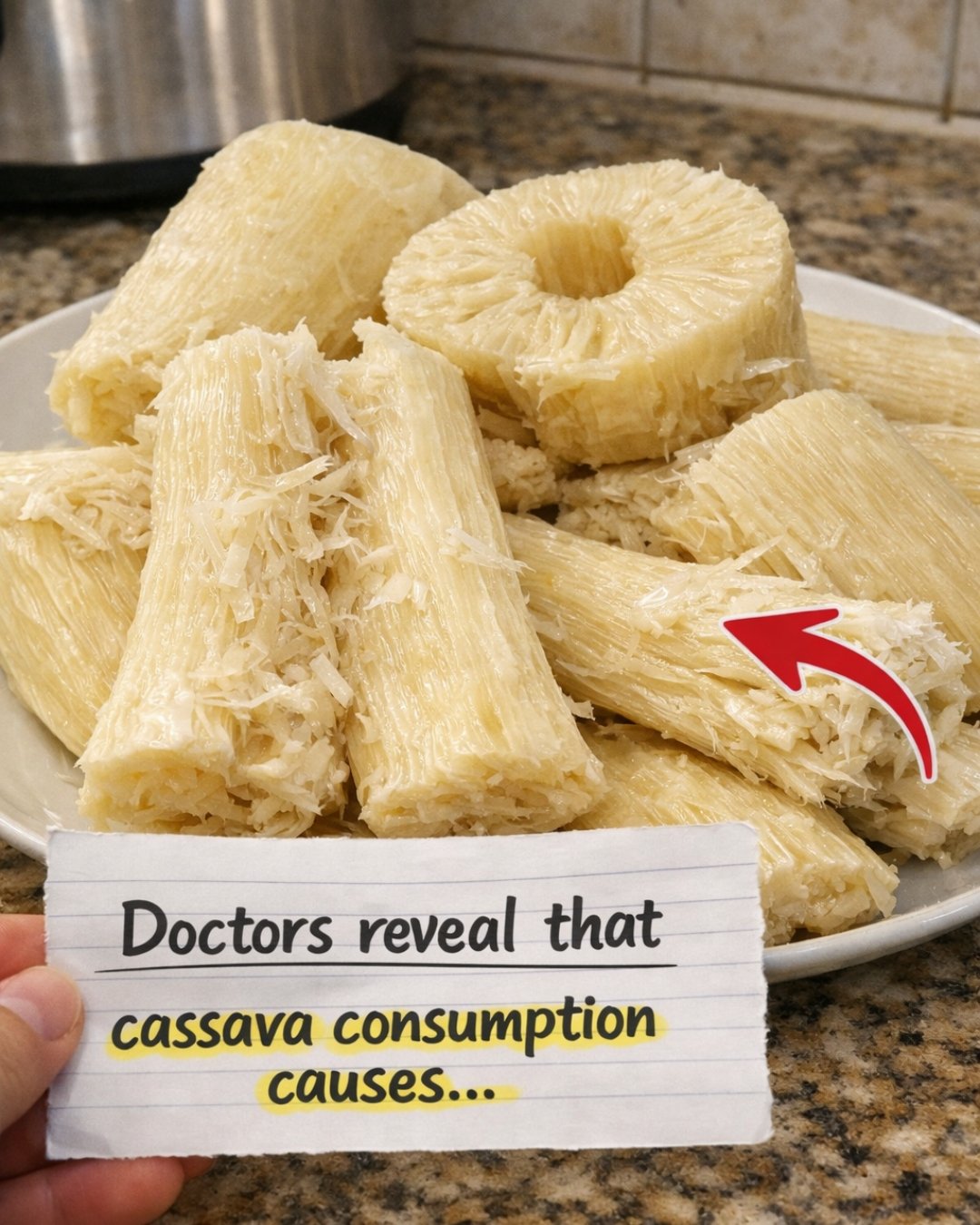
Doctors Reveal That Cassava Consumption Causes… What You Should Know Before Eating This Popular Root
Cassava is one of the most widely consumed root vegetables in the world. In many tropical regions across Africa, Asia, and Latin America, it is a daily staple that feeds millions of people. Known for its versatility, cassava can be boiled, fried, mashed, or ground into flour to make breads, chips, and desserts.
But recently, doctors and nutrition researchers have started discussing some surprising effects linked to cassava consumption. While this root vegetable can be nutritious when prepared correctly, eating it improperly or excessively may pose certain health risks. Understanding both the benefits and the potential concerns is essential for anyone who regularly includes cassava in their diet.
Let’s explore what medical experts say about cassava consumption and what you should know to stay safe.
What Is Cassava?
Cassava (Manihot esculenta) is a starchy root vegetable native to South America but now widely grown in tropical climates worldwide. It is known by different names depending on the region:
Yuca (not to be confused with yucca plants)
Manioc
Tapioca root
Mandioca
Cassava is rich in carbohydrates and serves as an important energy source. Tapioca pearls and tapioca flour, often used in desserts and gluten-free cooking, are also derived from cassava.
However, cassava also contains naturally occurring compounds that require proper preparation before consumption.
Doctors Warn: Cassava Naturally Contains Toxic Compounds
One of the main concerns doctors highlight is that raw cassava contains substances called cyanogenic glycosides. These compounds can release cyanide, a toxic chemical, when the plant tissue is damaged or improperly processed.

This does not mean cassava is automatically dangerous. In fact, millions of people safely eat it every day. The key factor is proper preparation.
When cassava is peeled, soaked, fermented, dried, or thoroughly cooked, most of these harmful compounds are removed or neutralized.
But consuming raw or undercooked cassava may lead to health problems.
Possible Health Effects Linked to Improper Cassava Consumption
1. Cyanide Poisoning
Doctors emphasize that eating raw cassava or poorly processed cassava can lead to cyanide exposure. Symptoms of cyanide poisoning may include:
Headaches
Dizziness
Nausea and vomiting
Rapid breathing
Weakness
In severe cases, high cyanide exposure can become life-threatening. This is why cassava should never be eaten raw.
2. Thyroid Problems
Another concern mentioned by researchers is the effect cassava may have on thyroid health when consumed in large quantities.
Certain cassava compounds may interfere with iodine uptake, which is essential for thyroid function. In populations where iodine deficiency is already common, heavy cassava consumption has been linked to conditions such as goiter.

Proper cooking significantly reduces this risk.
3. Neurological Disorders in Extreme Cases
In areas where cassava is the main food source and nutritional intake is limited, some studies have linked excessive poorly processed cassava consumption to neurological disorders.
One condition sometimes discussed in medical literature is Konzo, a neurological disease associated with long-term cyanide exposure from cassava combined with poor nutrition.
However, it is important to note that this typically occurs in extreme food scarcity conditions, not in balanced diets where cassava is just one food among many.
The Good News: Cassava Also Has Nutritional Benefits
Despite these warnings, cassava can still be part of a healthy diet when prepared correctly. It offers several nutritional advantages:
Rich Source of Energy
Cassava is packed with carbohydrates, making it an excellent energy source for people with physically demanding lifestyles.
Naturally Gluten-Free
Cassava flour and tapioca are popular alternatives for individuals with gluten intolerance or celiac disease.
Contains Fiber and Vitamin C
Cassava provides moderate amounts of fiber and vitamin C, both important for digestion and immune health.
How to Eat Cassava Safely
Doctors and nutrition experts recommend several safety practices when preparing cassava:
1. Always peel the root thoroughly.
Most toxic compounds are concentrated in the peel.
2. Never eat cassava raw.
Cooking is essential to break down harmful substances.
3. Boil, bake, or fry thoroughly.
Heat helps neutralize cyanogenic compounds.

4. Avoid bitter cassava varieties unless properly processed.
Some cassava types naturally contain higher toxin levels.
5. Maintain a balanced diet.
Cassava should not be the only staple food.
Who Should Be More Careful?
Certain individuals should pay extra attention when consuming cassava:
People with thyroid conditions
Individuals with iodine deficiency
Those relying heavily on cassava as their primary carbohydrate
Moderation and proper preparation are key.
Final Thoughts
Cassava has been a staple food for centuries and remains an important crop worldwide. When prepared correctly, it is generally safe and can provide valuable energy and nutrients.
However, doctors caution that raw or improperly processed cassava can release toxic compounds, which may lead to health issues if consumed regularly or in large amounts.
The takeaway is simple: cassava itself is not the enemy. Understanding how to prepare it properly is what makes all the difference.
If you enjoy cassava, continue doing so—but always cook it thoroughly and include it as part of a balanced diet.