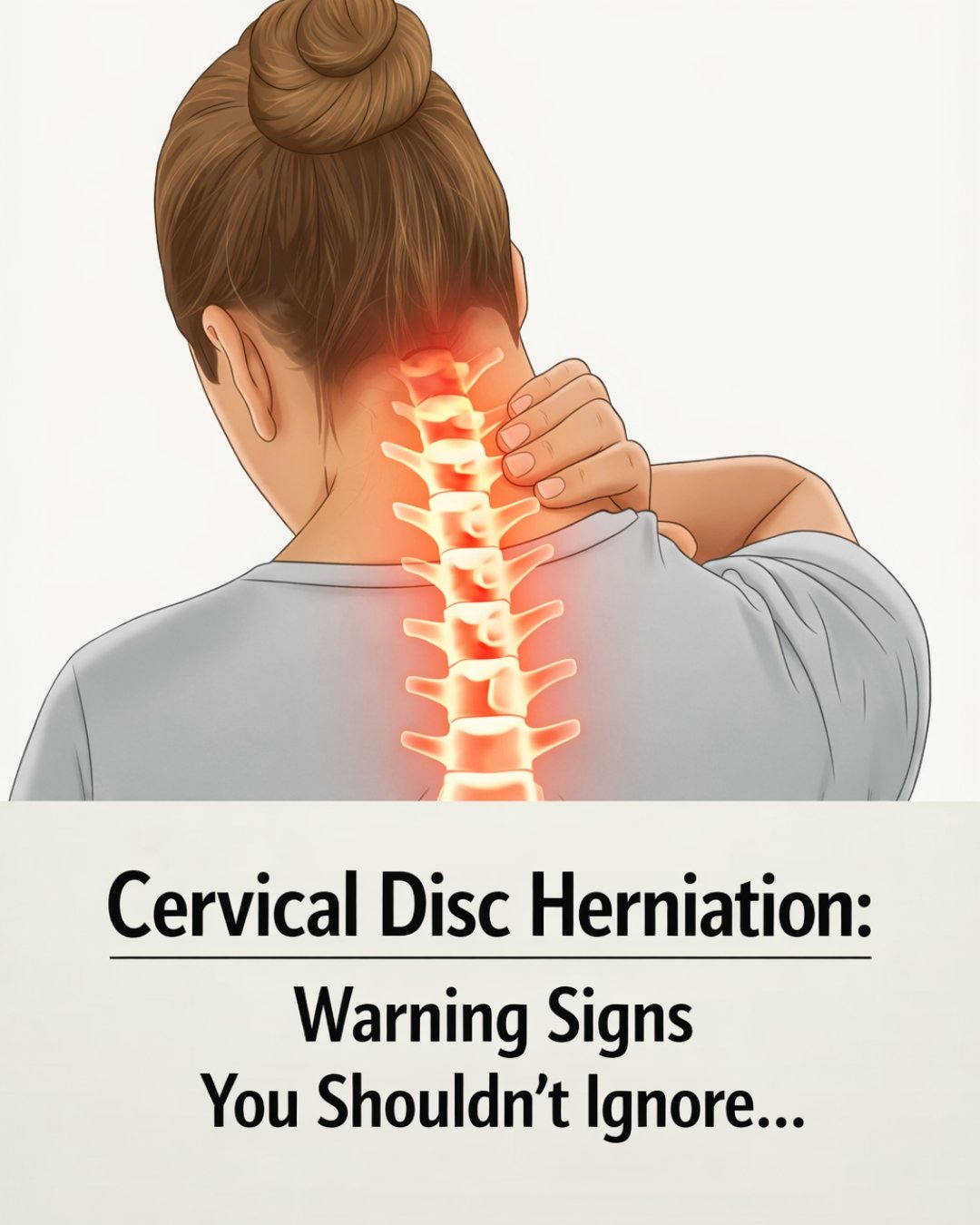
Cervical Disc Herniation: Warning Signs You Should Never Ignore
Neck pain is often dismissed as a simple consequence of stress, poor posture, or long hours in front of a computer. However, persistent discomfort in the neck can sometimes signal a more serious condition: cervical disc herniation.
This spinal problem can cause pain, numbness, and even muscle weakness if not properly addressed. Recognizing the early symptoms is essential to prevent complications and protect your spine health.
In this article, you’ll discover what cervical disc herniation is, the warning signs you should never ignore, possible causes, and when to seek medical help.
What Is Cervical Disc Herniation?
Cervical disc herniation occurs when one of the intervertebral discs in the neck region becomes damaged and its inner gel-like material pushes out of place. This protrusion can compress nearby nerves or even the spinal cord.
The discs act as shock absorbers between the vertebrae of the spine. When they degenerate or rupture, they may cause nerve compression, leading to pain and neurological symptoms.
Although it can affect anyone, cervical disc herniation is more common in adults due to aging, repetitive strain, poor posture, or sudden injury.
7 Cervical Disc Herniation Symptoms You Should Never Ignore
Recognizing early symptoms can make a huge difference in treatment and recovery. Here are some warning signs that deserve attention.
1. Persistent Neck Pain
One of the most common symptoms is ongoing neck pain, which may worsen with certain movements such as turning or bending the head.
This pain can start mildly but gradually intensify as the affected disc presses on surrounding nerves. In some cases, the discomfort increases during activities like coughing, sneezing, or lifting objects.
2. Pain That Radiates to the Shoulder or Arm
When a cervical disc compresses nerve roots, the pain may travel from the neck to the shoulders, arms, or even hands.
This phenomenon is known as radiating pain and is a classic indicator of nerve involvement in spinal disorders.
Some people describe the sensation as burning, sharp, or similar to an electric shock.
3. Tingling or Numbness
Another common warning sign is a tingling or “pins and needles” sensation in the arms, hands, or fingers.
This occurs when nerve signals are disrupted due to compression caused by the displaced disc.

If numbness becomes frequent or persistent, it’s important to seek medical evaluation.
4. Muscle Weakness
Muscle weakness in the arms or hands may indicate that the nerves controlling those muscles are affected.
In more advanced cases, people may notice that they drop objects frequently or struggle to grip things firmly.
This symptom should never be ignored, as it may signal worsening nerve compression.
5. Reduced Range of Motion
Cervical disc herniation can make it difficult to move or rotate the neck normally.
Many patients report stiffness or limited mobility, especially when trying to turn their head or look upward.
6. Morning Stiffness in the Spine
Some research suggests that persistent morning stiffness can be an early indicator of disc degeneration, even before intense pain appears.
This stiffness may feel like the spine is “locked” after waking up and may take time to improve with movement.
7. Difficulty with Balance or Coordination (Severe Cases)
In rare but serious situations, cervical disc herniation can compress the spinal cord.
When this happens, symptoms may include:
Difficulty walking
Loss of balance
Problems with coordination
Changes in bladder or bowel control


These symptoms require immediate medical attention.
What Causes Cervical Disc Herniation?
Several factors can contribute to the development of this condition, including:
Aging
Over time, spinal discs lose hydration and elasticity, making them more prone to damage.
Poor Posture
Long hours sitting, especially while using computers or smartphones, increase stress on the cervical spine.
Sedentary Lifestyle
Lack of physical activity weakens the muscles that support the spine.
Repetitive Movements
Jobs that involve repeated neck movements or heavy lifting may accelerate disc wear.
Genetic Predisposition
Some people are naturally more susceptible to disc degeneration.
When Should You See a Doctor?
You should seek medical advice if you experience:
Persistent neck pain lasting more than a few weeks
Pain spreading to the arms or shoulders
Tingling, numbness, or muscle weakness
Difficulty with movement or coordination
Doctors typically confirm the diagnosis using imaging tests such as MRI or CT scans combined with physical and neurological examinations.
Can Cervical Disc Herniation Be Treated?
The good news is that most cases improve without surgery.

Conservative treatments often include:
Physical therapy
Anti-inflammatory medications
Pain management strategies
Posture correction
Lifestyle changes and exercise
Studies suggest that many patients experience significant symptom improvement within weeks when following appropriate treatment plans.
Surgery is usually considered only when symptoms are severe or neurological deficits worsen.
Final Thoughts
Cervical disc herniation is a common spinal condition that can significantly affect quality of life if ignored. While neck pain may seem harmless at first, symptoms such as radiating pain, numbness, or muscle weakness should never be overlooked.
Listening to your body and seeking medical advice early can help prevent long-term complications and keep your spine healthy.
If you experience any of these warning signs, consider consulting a healthcare professional to receive proper diagnosis and treatment.