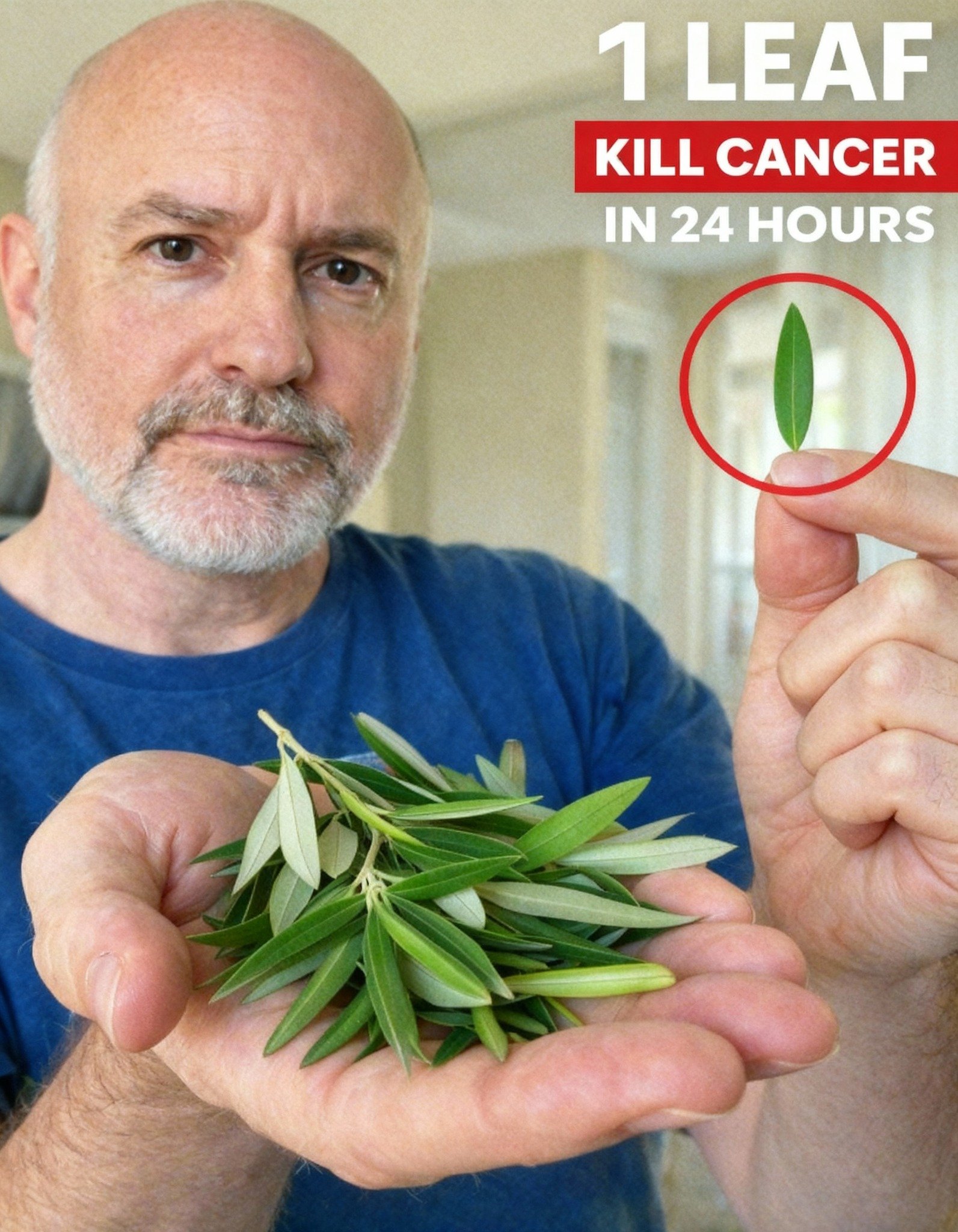
The Leaf Everyone’s Talking About: Exploring Soursop Leaves and Their Potential Role in Wellness
Many people over 40 feel worn down by daily fatigue, occasional aches, or worries about long-term health, often searching for natural ways to support their body’s defenses and vitality. Online stories promise dramatic benefits from exotic plants, but bold claims about curing serious conditions create confusion and disappointment when evidence falls short. Soursop leaves, also known as graviola or guyabano, have gained attention for their traditional use and emerging lab research on antioxidant and other supportive properties. While intriguing preliminary findings exist, experts stress that these natural options work best as complements to proven medical care—not replacements. In this balanced look, we’ll explore what science suggests about soursop leaves, including potential perks and important cautions, so you can decide thoughtfully.

Why Soursop Leaves Spark So Much Interest
Soursop (Annona muricata) is a tropical tree native to regions like Central and South America, the Caribbean, and parts of Southeast Asia. Its fruit is prized for its creamy, tangy taste, but the glossy, dark green leaves have long been brewed into tea in traditional practices for relaxation, digestive comfort, and general well-being.
Modern curiosity centers on unique compounds called annonaceous acetogenins, along with antioxidants like polyphenols, flavonoids (such as quercetin and kaempferol), and vitamin C traces. These elements show promise in lab settings for supporting cellular health and reducing oxidative stress—a factor in everyday aging and fatigue.
But here’s the key: much of the excitement stems from test-tube and animal studies, with limited human data. Reputable sources like Memorial Sloan Kettering Cancer Center and Cancer Research UK note that while lab results are encouraging in certain areas, human evidence is lacking for many claims. This gap explains why healthcare providers urge caution rather than endorsement.

The Science-Backed Potential Benefits of Soursop Leaves
Research highlights several areas where soursop leaf extracts show activity, primarily in preliminary lab and animal models. Here’s a closer look at the most discussed ones.
Rich in Antioxidants for Everyday Vitality
Soursop leaves contain polyphenols and other antioxidants that may help combat free radicals and oxidative stress. Studies suggest these compounds support general cellular protection, potentially contributing to feelings of renewed energy over time. But that’s not all…
Potential Support for Immune Function
In lab models, certain extracts appear to influence immune responses, such as modulating cytokine production for balance. This hints at broader resilience, though human confirmation is needed. The anti-inflammatory hints tie in next.

May Help with Occasional Inflammation
Acetogenins and flavonoids demonstrate anti-inflammatory effects in vitro and animal tests, potentially easing markers linked to discomfort. Traditional use aligns with this for soothing minor issues.
Traditional Digestive Comfort
Folk practices often include soursop leaf tea for settling the stomach after meals. Some lab work points to antimicrobial activity against certain pathogens, supporting gentle digestive harmony in moderation.
Possible Mood and Energy Uplift
Antioxidants may indirectly aid vitality and clearer focus by reducing oxidative burden. Anecdotal reports describe subtle improvements, though science is still exploring these links.
Antibacterial and Antiparasitic Hints in Labs
Extracts show activity against some bacteria and parasites in test settings, echoing traditional tropical uses for internal balance.
Promising Lab Insights on Cellular Health
The most discussed area involves acetogenins targeting energy pathways in certain cell lines, showing selectivity in preliminary research on various models. Reviews note dose-dependent effects in vitro, but experts emphasize no translation to human outcomes yet.
To compare key parts of the plant:
- Leaves: High in acetogenins and polyphenols; studied for antioxidant, anti-inflammatory, and lab cellular effects.
- Fruit: Rich in vitamin C, fiber; supports general antioxidant intake and digestion.
- Tea (from leaves): Delivers polyphenols; used traditionally for immune and relaxation support.
- Extracts: Concentrated forms; show stronger lab activity but require caution for dosing.
These distinctions highlight why leaves draw particular attention for wellness exploration.


Important Safety Considerations and Risks
While short-term use appears tolerated in some studies, potential concerns exist. Annonacin, a key acetogenin, has been linked in research to neurotoxicity with excessive or prolonged exposure, possibly contributing to nerve-related issues in high-consumption populations. Animal and epidemiological data suggest risks with chronic heavy intake.
Other side effects may include nausea or digestive upset in some people. Interactions with medications (e.g., for blood pressure or diabetes) are possible, as lab hints show effects on blood sugar and pressure.
Always prioritize clean sourcing to avoid contaminants.

How to Enjoy Soursop Leaves Thoughtfully: Actionable Tips
If you’re curious about adding soursop leaves as part of a balanced routine:
- Start small: Begin with 1 cup of tea daily using 1-2 dried leaves steeped in hot water for 10 minutes.
- Monitor your response: Note any changes in energy, digestion, or comfort over a week or two.
- Pair wisely: Combine with a nutrient-rich diet full of fruits, veggies, and whole foods for synergy.
- Choose quality: Opt for organic, reputable sources; avoid long-term high doses without guidance.
- Consult first: Talk to your healthcare provider, especially if pregnant, nursing, on medications, or managing conditions.
This mindful approach lets you test personally while staying safe.
Wrapping It Up: A Balanced Perspective
Soursop leaves offer an intriguing natural option with antioxidant richness, traditional roots, and preliminary lab promise for supporting vitality, comfort, and defenses. Yet the science remains emerging—strongest in test tubes and animals, with human studies limited and no proof for treating or preventing serious illnesses.
Nature’s gifts can add layers to wellness when used thoughtfully alongside evidence-based care. If antioxidants or herbal variety appeal to you, soursop leaves might fit your routine modestly.

Frequently Asked Questions
Is soursop leaf tea safe for daily use?
Short-term moderate use (like 1 cup daily) appears generally tolerated based on available data, but limit long-term intake due to potential neurotoxicity risks from compounds like annonacin. Consult a doctor for personalized advice.
Can soursop leaves replace medical treatments?
No—preliminary research does not support using soursop leaves as a treatment for any disease. They may complement a healthy lifestyle but never replace professional medical care or prescribed therapies.
What’s the difference between soursop fruit and leaves for health?
The fruit provides vitamin C, fiber, and general antioxidants for nutrition and digestion. Leaves focus more on acetogenins and polyphenols, with traditional uses for tea and lab interest in broader effects, though both require moderation.
This article is for informational purposes only and is not a substitute for professional medical advice. Readers are strongly encouraged to consult their healthcare provider before trying new supplements or herbal remedies, especially with existing health conditions or medications.