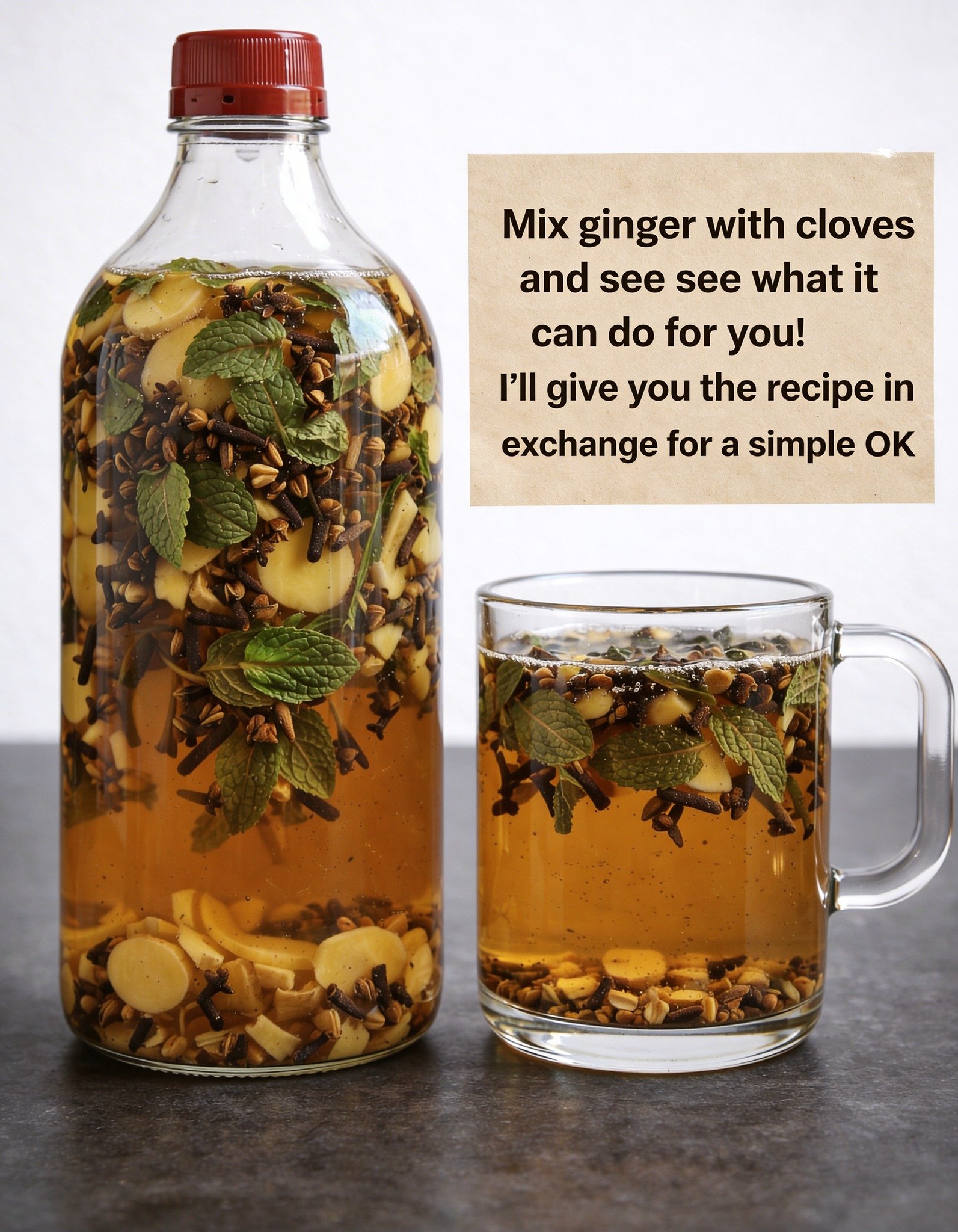
Imagine starting your day with a warm, spicy cup that soothes your stomach, eases occasional discomfort, and leaves you feeling more energized — especially on chilly mornings or after a heavy meal when bloating and fatigue creep in. Ginger and cloves, two everyday kitchen staples, team up in a simple infusion that many people turn to for gentle daily support. This aromatic blend draws from traditional wellness practices and emerging research on their natural compounds.
Keep reading to discover the potential benefits of this duo, a straightforward recipe you can try at home, and important precautions to enjoy it safely.
 What Makes Ginger and Cloves So Special?
Ginger, the spicy rhizome we grate into teas and stir-fries, packs bioactive elements like gingerols and shogaols often linked to antioxidant and anti-inflammatory activity in studies. When you’re dealing with everyday digestive unease or seasonal sniffles, these compounds may offer comforting support.
Cloves, those small dried flower buds with their intense warm aroma, deliver eugenol as a standout compound. This gives cloves strong antioxidant potential, sometimes ranking high among spices in protective properties against oxidative stress.
Together, ginger and cloves create a synergistic pair that traditional systems have valued for centuries, and modern interest continues to explore their combined effects.
Top Potential Benefits of Ginger and Clove Infusion

Many enjoy ginger and clove tea as part of a wellness routine. Here’s what preliminary research and traditional knowledge highlight:
- Antioxidant-Rich Support
Both ginger and cloves stand out for their high antioxidant content. Gingerols in ginger and eugenol in cloves help combat free radicals, which contribute to everyday wear and tear on cells. Regular sips of this infusion may provide gentle protection as part of a balanced lifestyle. - Anti-Inflammatory Comfort
Ginger is well-known for its natural ability to ease inflammation, potentially helpful for occasional joint discomfort or post-exercise soreness. Cloves add to this with eugenol’s supportive effects. Together, they may promote overall comfort when inflammation flares from daily life or minor issues. - Digestive Wellness
Ginger has long been a go-to for settling upset stomachs, reducing nausea, and aiding smoother digestion. Cloves can calm bloating and gas. This infusion often feels soothing after meals or during travel-related queasiness, making it a favorite natural ally for gut comfort. - Immune System Encouragement
With antimicrobial properties noted in lab studies for both spices, ginger and cloves may help bolster natural defenses during cold season. The warm drink itself soothes the throat and promotes hydration, adding to seasonal wellness routines. - Metabolic and Circulation Support
Some evidence suggests ginger stimulates circulation and may aid healthy metabolism when paired with diet and movement. Cloves contribute antioxidants that support vascular health. Many report feeling warmer and more energized from this spicy blend.
But the real appeal comes from how easy it is to prepare…
Simple Recipe: How to Make Ginger and Clove Infusion at Home
This classic infusion is quick, customizable, and uses ingredients most kitchens already have.
Ingredients (for 1–2 servings):
- 1-inch (2–3 cm) piece of fresh ginger root
- 3–5 whole cloves
- 2 cups (500 ml) water
- Optional: 1 tsp honey, a squeeze of lemon, or a cinnamon stick for extra flavor
Steps:
- Peel and thinly slice or grate the fresh ginger.
- Bring the water to a gentle boil in a small pot.
- Add the ginger slices and cloves.
- Reduce heat and simmer for 10–15 minutes to release the flavors and compounds.
- Strain into your favorite mug.
- Stir in honey or lemon if you like, and sip warm.
Enjoy 1–2 cups daily, perhaps in the morning or evening. The spicy warmth is especially inviting during cooler weather.
Creative Ways to Enjoy Ginger and Clove Infusion

- Add fresh mint leaves for a cooling twist.
- Use as a base for herbal mocktails by chilling and sparkling with water.
- Incorporate into soups or rice dishes for subtle flavor and potential benefits.
Important Precautions and Side Effects
While ginger and clove infusions are generally well-tolerated in food amounts, moderation matters. Excessive intake can sometimes cause heartburn, stomach upset, or loose stools from ginger’s stimulating effect.
Cloves in large quantities may irritate the mouth or interact with blood-thinning medications due to eugenol. Ginger can also affect blood clotting or blood sugar in higher doses.
Avoid strong preparations if you have gallstones, acid reflux, bleeding disorders, or are on anticoagulants, diabetes meds, or blood pressure treatments. Pregnant individuals should check with a provider, as ginger is often used for nausea but doses vary.
Always start small and observe how your body responds.
The Bottom Line on Ginger and Cloves
This humble duo transforms into a comforting, aromatic infusion that supports digestion, offers antioxidant warmth, and fits easily into daily habits. Whether you’re seeking a cozy ritual or gentle natural aid, ginger and clove tea delivers flavor and tradition in every sip.
Try brewing a pot tomorrow — you might find it becomes your new favorite wellness companion.

FAQ
How often can I drink ginger and clove infusion?
Most people enjoy 1–2 cups daily without issues. Stick to moderate amounts and listen to your body.
Can ginger and clove tea help with colds?
The warming spices and their traditional antimicrobial qualities make it a popular choice for soothing symptoms and supporting comfort during minor illnesses.
Are there any risks for certain people?
Yes — consult a healthcare provider if pregnant, on medications (especially blood thinners or diabetes drugs), or managing conditions like ulcers or gallstones before regular use.
This article is for educational purposes only and not medical advice. Ginger and clove benefits are based on traditional use and preliminary research; individual results vary. Always consult your healthcare provider before adding herbal infusions to your routine, especially with health conditions or medications.