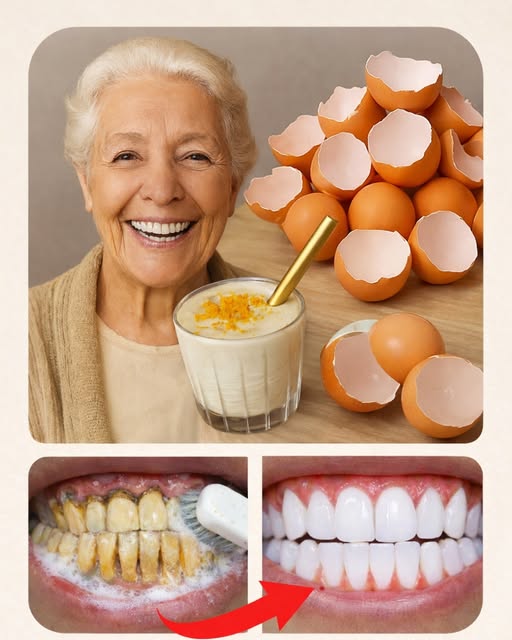
Many people believe that losing teeth is an inevitable part of aging. However, it’s not uncommon to meet individuals in their 70s, 80s, or even 90s who still have strong and healthy natural teeth. In many cases, the secret isn’t expensive dental procedures—it’s consistent daily habits and simple natural care routines practiced over many years.
Stories of older adults who maintain excellent oral health often highlight the importance of balanced nutrition, good hygiene, and gentle natural practices that support strong teeth and healthy gums. In reality, maintaining a healthy smile throughout life is largely connected to preventing gum disease and protecting tooth enamel over time.
Let’s explore some simple daily habits and natural practices that may help support healthy teeth—even into your 80s.
Why Oral Health Becomes Even More Important With Age
As we grow older, the risk of dental issues naturally increases. Some of the most common concerns include:
Gum disease
Tooth decay
Tooth sensitivity
Gum recession
Dry mouth
Oral health doesn’t only affect the mouth—it can also influence overall health and well-being. Research has linked gum disease with conditions such as heart disease, diabetes, and chronic inflammation.
That’s why protecting your teeth early and maintaining good habits daily can play an important role in long-term health.
1. Use the Correct Brushing Technique
Brushing your teeth twice a day remains one of the most important habits for protecting your smile.
Dental professionals generally recommend:
Brushing for about two minutes
Using a soft-bristled toothbrush
Cleaning gently along the gum line
Brushing too aggressively may wear down tooth enamel and irritate the gums. Gentle circular movements are usually more effective and safer.
It’s also recommended to replace your toothbrush every three to four months to maintain effective cleaning.
2. Natural Ingredients That Support Oral Hygiene
Many traditional oral care routines include natural ingredients known for their mild antibacterial properties.

Some commonly used options include:
Saltwater Rinse
Rinsing with warm saltwater may help reduce bacteria and soothe irritated gums, supporting oral cleanliness.
Baking Soda
Baking soda has a mild abrasive effect, which can help remove surface stains and neutralize acids in the mouth.
Coconut Oil (Oil Pulling)
An ancient practice known as oil pulling involves swishing coconut oil in the mouth for a few minutes. Some people use it as a complementary method to support gum health.
These practices may complement daily care routines, but they should not replace brushing and flossing.
3. Diet Plays a Major Role in Dental Health
What we eat has a direct impact on our teeth and gums.
Some foods support stronger teeth, while others may increase the risk of cavities.
Foods That May Support Strong Teeth
Leafy green vegetables
Calcium-rich dairy products
Nuts and seeds
Crunchy fruits like apples
Green tea
These foods contain important minerals that help support enamel strength and gum health.
Foods to Enjoy in Moderation
Sugary snacks
Sticky candies
Acidic drinks
Excessive soda consumption
Frequent sugar intake feeds bacteria that produce acids capable of gradually wearing down tooth enamel.
4. Stay Well Hydrated
Saliva plays an important role in protecting teeth.

It helps to:
Wash away food particles
Neutralize harmful acids
Deliver minerals to tooth enamel
Drinking enough water throughout the day helps maintain saliva production and may reduce the risk of cavities.
5. Don’t Ignore Gum Health
Healthy gums are the foundation of strong teeth.
Gum disease often begins silently and may show signs such as:
Red or swollen gums
Bleeding during brushing
Persistent bad breath
Gum recession
Regular flossing and proper oral hygiene help prevent plaque buildup, which can lead to gum problems over time.
6. Schedule Regular Dental Checkups
Even individuals with excellent oral hygiene benefit from routine dental visits.
Regular checkups allow dental professionals to:
Detect cavities early
Remove tartar buildup
Evaluate gum health
Monitor changes in oral health
Early care can help prevent small problems from becoming more serious.

7. Avoid Smoking
Smoking is one of the largest risk factors for gum disease and tooth loss.
Tobacco can reduce blood flow to the gums, which makes it harder for tissues to heal and increases the risk of infection.
Avoiding smoking can significantly support better oral health and overall well-being.
8. Consistency Is the Real Secret
One of the biggest secrets to maintaining strong teeth later in life is consistency.
Healthy habits practiced every day for many years can make a remarkable difference.
Simple routines such as:
Brushing regularly
Flossing daily
Drinking enough water
Eating a balanced diet
can help support long-term dental health.
Final Thoughts
Reaching your 80s with strong, healthy teeth is absolutely possible. The key lies in maintaining consistent oral hygiene, eating nutrient-rich foods, and caring for your gums and enamel over time.
Natural practices—such as saltwater rinses, balanced nutrition, and proper brushing techniques—may help support oral health when combined with regular dental care.
Your teeth were designed to last a lifetime—and with the right habits, they often can. 🦷✨