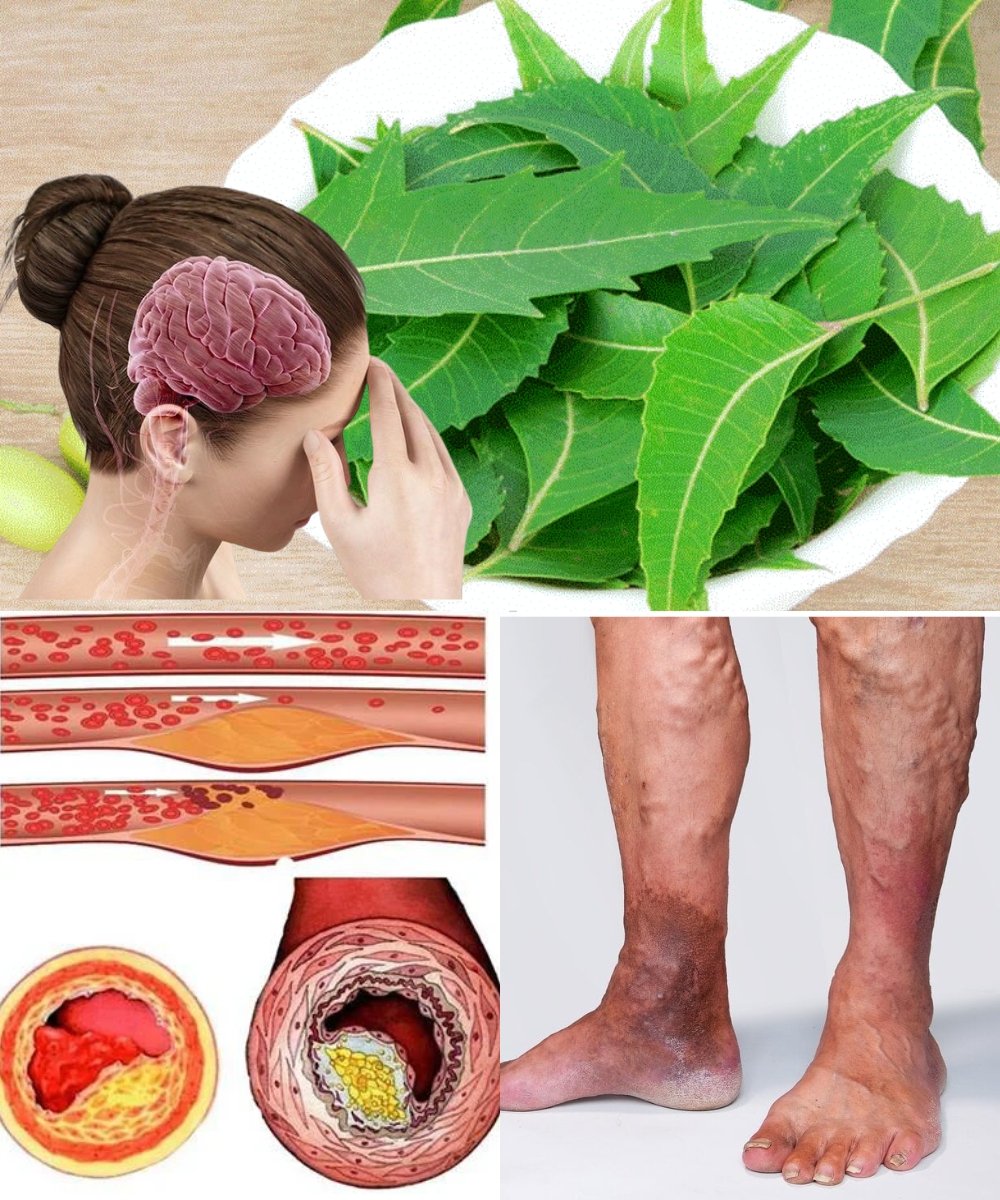
Neem Leaves: The Bitter Leaf That May Support Your Health in Surprising Ways
In the search for natural ways to support overall health, some of nature’s most powerful resources are often overlooked. Neem leaves, known for their intense bitterness, come from a tree long used in traditional Indian medicine and are valued for their antioxidant, anti-inflammatory, and antimicrobial properties.
Neem is not a miracle cure, and it does not replace medical treatment. However, when used responsibly, it can be a helpful natural ally to support blood sugar balance, blood pressure, cholesterol levels, circulation, and mild inflammatory discomfort.
This article explains what Neem is, its main health-supporting benefits, how to prepare Neem leaf tea at home, and the key precautions you should always keep in mind.
What Is Neem and Why Is It Used in Natural Medicine?
Neem (Azadirachta indica) is a tree native to India and parts of Southeast Asia. It plays an important role in Ayurveda, where its leaves, bark, seeds, and oil have been used for centuries.
Traditionally, Neem has been used to:
Support blood purification
Promote clearer, healthier skin
Aid digestion
Support immune system balance
Neem leaves are especially valued because they contain bioactive compounds with antioxidant, anti-inflammatory, and antimicrobial actions. These properties make them popular in natural wellness practices focused on restoring internal balance.
Key Health Benefits of Neem Leaves
1. Support for Blood Sugar Balance
Neem has traditionally been used as a natural aid for people with elevated blood sugar levels. Its compounds may help:
Improve the body’s response to insulin
Support more stable glucose levels
Assist carbohydrate metabolism
Neem does not cure diabetes, but it may be used as a complementary approach under professional supervision as part of a broader lifestyle plan.
2. Support for Healthy Blood Pressure
Neem leaves are associated with a mild vasodilatory effect, meaning they may help blood vessels relax. This can:
Support better blood circulation
Reduce resistance within blood vessels
Lower strain on the heart
For this reason, some people use Neem as a natural support when dealing with high blood pressure tendencies, always alongside a balanced diet and regular physical activity.
3. Relief from Mild Body Pain and Inflammation
Thanks to its anti-inflammatory properties, Neem may help relieve:
Muscle soreness
Joint discomfort
Mild chronic inflammation
In traditional use, Neem has been applied both internally (light infusions) and externally (as a paste) to soothe localized discomfort.
4. Cholesterol Regulation and Cardiovascular Support
Moderate consumption of Neem preparations may help:
Reduce LDL (“bad”) cholesterol
Support balance or improvement of HDL (“good”) cholesterol
Promote healthier arteries and circulation
Together, these effects may provide additional support for heart health when combined with a heart-friendly diet.
5. Improved Blood Circulation
By supporting blood vessel relaxation and healthier sugar and fat balance, Neem may help:
Improve tissue oxygenation
Reduce the sensation of heavy or tired legs
Ease circulation-related swelling or discomfort
This makes Neem appealing to people dealing with circulation issues linked to sedentary lifestyles.
How to Make Neem Leaf Tea at Home
Neem is potent, so moderation is essential.
Ingredients
A small handful of fresh Neem leaves (well washed)
1 liter (4 cups) of water
Honey (optional, for taste only)
Step-by-Step Preparation
Rinse the Neem leaves thoroughly to remove dirt or debris.

Place the leaves and water in a pot.
Bring to a boil and simmer for about 10 minutes.
Remove from heat and let steep for 5 minutes.
Strain the liquid into a clean glass container.
Add a small amount of honey if desired to soften the bitterness.

How to Drink It
Many people drink 1 cup per day, ideally on an empty stomach or before a main meal.
In specific cases, up to 2 cups per day may be used for short periods under professional guidance.
Avoid large quantities or long-term daily use without medical advice.
External Uses of Neem Leaves
Neem can also be used externally for skin and localized discomfort.
For Skin Support
Crush fresh Neem leaves into a paste.
Apply to areas with mild irritation, acne, or insect bites.
Leave on for 10–15 minutes, then rinse with lukewarm water.
For Localized Pain
Prepare a paste with crushed leaves and a small amount of water.
Apply to sore muscles or joints.
Cover with clean gauze and leave on for about 20 minutes.
Always test a small patch of skin first to rule out sensitivity or allergic reactions.
Tips for Using Neem Safely
Pair Neem use with a diet low in refined sugar, white flour, and unhealthy fats.
Stay physically active with walking, stretching, or gentle exercise to support circulation.
Drink enough water daily to support liver and kidney function.
Combine Neem with other healthy habits: quality sleep, stress management, and regular health checkups.

Important Precautions
Despite being natural, Neem is powerful and must be used responsibly:
Avoid long-term internal use without medical supervision; excessive intake may stress the liver.
Do not use internally during pregnancy or breastfeeding unless approved by a healthcare professional.
Not recommended for young children.
If you take medication for diabetes, blood pressure, or cholesterol, consult your doctor first, as Neem may enhance medication effects.
Discontinue use if you experience nausea, dizziness, stomach discomfort, itching, or unusual symptoms.
Neem as Part of a Natural Wellness Toolkit
Neem leaves are among the most respected plants in traditional natural medicine. When used properly, they may help support:
Blood sugar balance
Blood pressure regulation
Cholesterol management
Inflammation control
Healthy circulation
However, it is essential to remember:
Neem is not a miracle solution.
It does not replace prescribed medical treatments.
Responsible, moderate use is key.
If you choose to explore Neem, do so as part of a balanced lifestyle that includes nutritious food, daily movement, and regular medical guidance. Nature offers valuable tools—and Neem is one of them—but informed and mindful use is always your responsibility. 🌿
May I place an order
May I place an order I need it