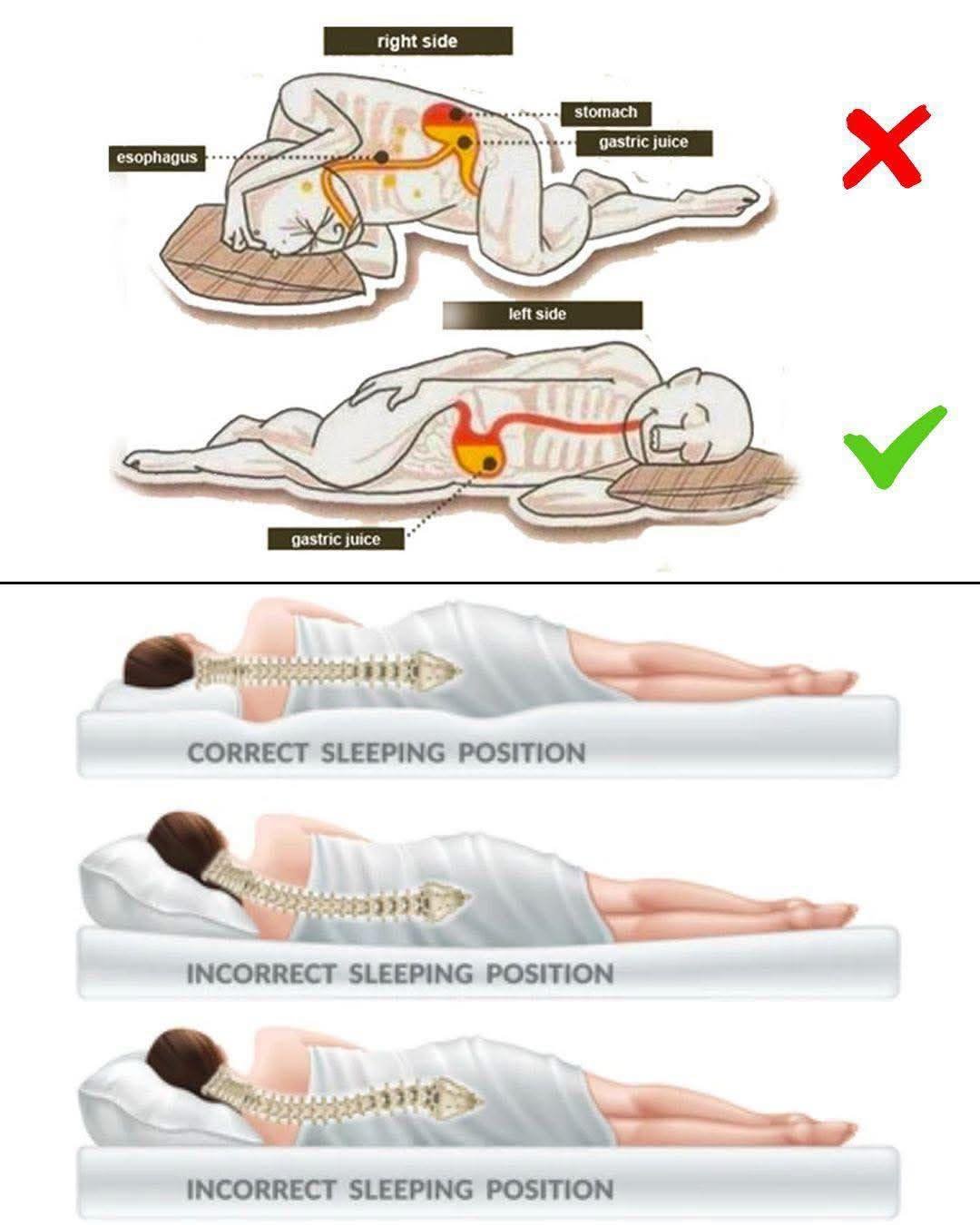
How Your Sleeping Position Affects Your Health (More Than You Think)
Have you ever noticed how some mornings you wake up refreshed and energized—while on others you feel stiff, bloated, or strangely exhausted?
We often blame stress, a bad mattress, or a long day. But there’s one powerful factor most people overlook: the position you sleep in.
Sleep isn’t just a passive state. It’s when your body repairs tissues, balances hormones, restores muscles, and clears waste from the brain. If your posture is misaligned for six to eight hours every night, that recovery process can be quietly disrupted—leading to long-term health effects.
Let’s explore how different sleeping positions impact your body—and which one may be the healthiest choice.
Why Sleep Posture Matters
Your body doesn’t “switch off” during sleep. It continues to:
Regulate breathing
Support digestion
Maintain spinal alignment
Circulate blood and lymphatic fluids
Cleanse the brain of metabolic waste
Poor sleep posture can:
Reduce oxygen intake
Strain the neck and lower back
Increase pressure on joints
Worsen acid reflux
Disrupt deep, restorative sleep cycles
Over time, this may contribute to chronic pain, fatigue, digestive problems, or sleep disorders like apnea.
Warning Signs Your Sleep Position May Be Hurting You
If you regularly experience:

Loud snoring
Morning headaches
Acid reflux or heartburn
Neck or shoulder stiffness
Waking up tired despite 7–8 hours of sleep
Your sleeping position might be playing a bigger role than you realize.
Sleeping on Your Left Side: The Healthiest Default?
For many adults, left-side sleeping offers significant benefits backed by anatomy and physiology.
1. Supports Better Digestion
The stomach and pancreas are positioned slightly toward the left side of the body. Lying on the left helps gravity assist digestion and may reduce acid reflux symptoms.
2. Improves Circulation and Lymphatic Drainage
The lymphatic system—which removes toxins and waste—drains more efficiently when you lie on your left side. This may support better detoxification overnight.
3. Helps Brain Waste Removal
During deep sleep, the brain activates its cleansing system (called the glymphatic system), which removes waste proteins. Side sleeping appears to support this process more effectively than back sleeping.
4. Ideal During Pregnancy
Doctors often recommend left-side sleeping during pregnancy because it improves blood flow to the placenta and reduces pressure on major blood vessels.
Bottom line: If you’re unsure which position to choose, the left side is generally a safe and healthy starting point.
Other Sleeping Positions: Pros and Cons
Sleeping on Your Back
Back sleeping can help maintain spinal alignment if your pillow and mattress provide proper support.
However, it may:
Worsen snoring
Increase risk of sleep apnea
Reduce oxygen flow
Cause morning headaches


When you lie on your back, gravity pulls the tongue and throat tissues backward, narrowing the airway. For people prone to breathing issues, this position can significantly disrupt sleep quality.
Sleeping on Your Stomach
This is generally considered the least healthy position.
It can:
Twist your neck for hours
Compress internal organs
Strain the lower back
Make deep breathing more difficult
While it may feel comfortable initially, long-term stomach sleeping often leads to chronic neck, shoulder, and back pain.
Sleeping on Your Right Side
Right-side sleeping is usually better than stomach sleeping but may not offer the same digestive benefits as the left side.
It may:
Increase acid reflux in some people
Place more pressure on certain abdominal organs
Still, if left-side sleeping feels uncomfortable, the right side is typically an acceptable alternative.
Does Age Change the Best Sleep Position?
Yes, it can.
Infants: Sleeping on the back is strongly recommended to reduce the risk of sudden infant death syndrome (SIDS).
Older adults: Back sleeping may increase breathing disturbances. Side sleeping often improves sleep quality in this age group.
As we age, muscle tone, airway structure, and joint flexibility change—so adjusting sleep posture becomes more important.
Common Myths About Sleeping Positions
Myth 1: Back sleeping is always best.
Not if you snore or have sleep apnea.

Myth 2: Stomach sleeping helps digestion.
It usually worsens spinal alignment and reflux.
Myth 3: Pillows don’t matter.
The right pillow can significantly improve neck alignment and comfort.
Myth 4: Snoring is harmless.
It may signal obstructed breathing and poor oxygen flow.
Myth 5: You can fix sleep problems by “catching up” on weekends.
Consistency matters more than occasional long sleep sessions.
Simple Tips to Improve Your Sleep Tonight
Place a pillow between your knees when side sleeping to reduce lower-back strain.
Slightly elevate the head of your bed to reduce reflux.
Use nasal strips if congestion affects breathing.
Choose a medium-firm mattress for balanced support.
Start the night in your preferred healthy position—even if you shift later.
Changing sleep posture takes time, but small adjustments can produce noticeable improvements.
Frequently Asked Questions
What is the best sleeping position for acid reflux?
Sleeping on your left side may reduce reflux symptoms and improve digestion.
Is sleeping on your back bad?
Not necessarily—but it can worsen snoring and sleep apnea in many people.
Does stomach sleeping harm the spine?
Yes. It twists the neck and places strain on the lower back over time.
Can I train myself to sleep on my side?
Yes. With proper pillow support and consistency, most people adapt within a few weeks.
Final Thoughts
Your sleep position might seem like a minor detail—but over thousands of nights, it adds up.
A simple shift—from your back or stomach to your side—could improve digestion, breathing, spinal comfort, and even long-term brain health.
Sometimes, better health doesn’t require new supplements or expensive equipment.
It starts with something as simple as how you lie down.