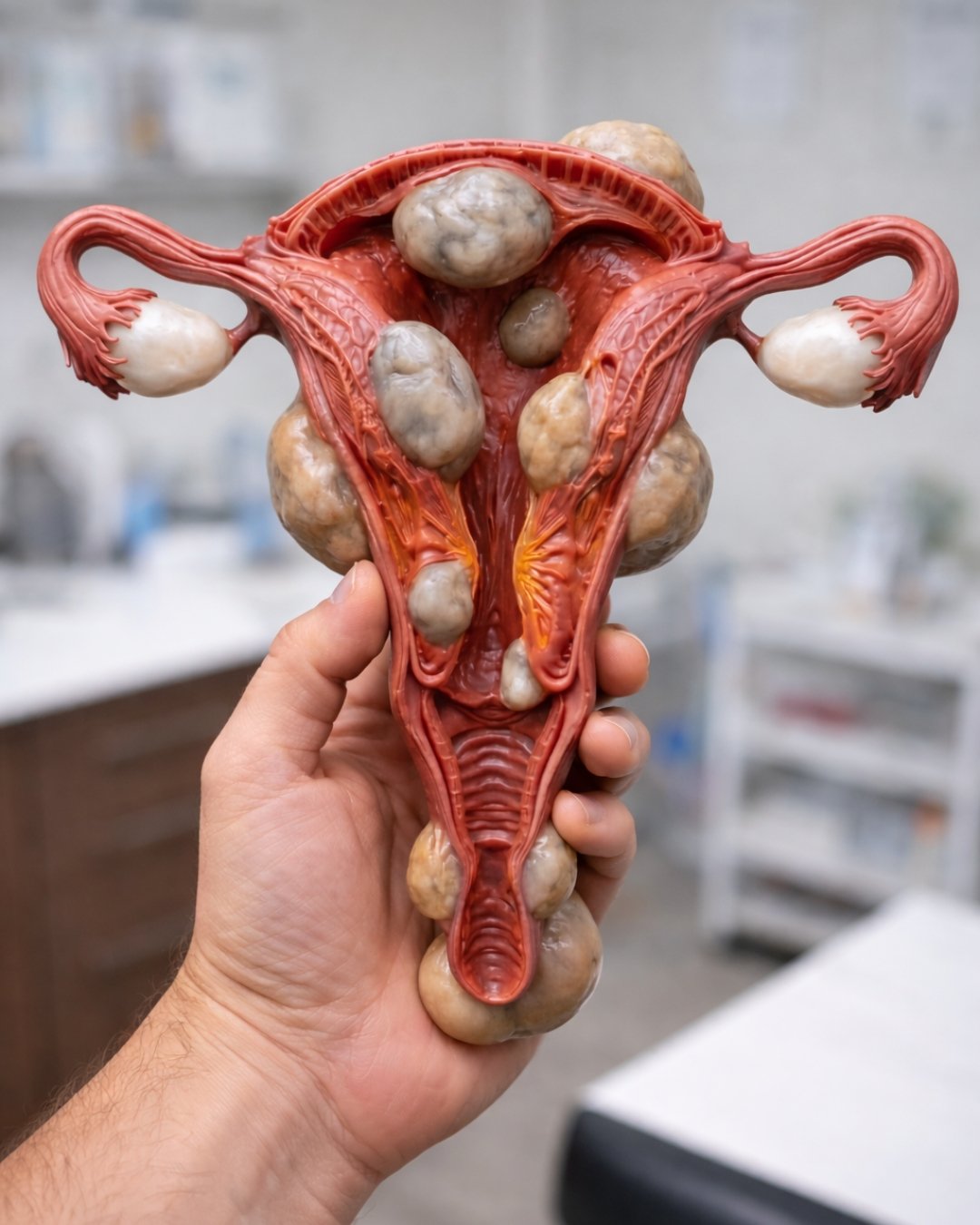
WHY WOMEN STILL DEVELOP FIBROIDS AND WHAT TO DO
Uterine fibroids are among the most common reproductive health conditions affecting women worldwide. These non-cancerous growths develop in or around the uterus and can vary in size, number, and symptoms. Many women are surprised to learn they have fibroids, especially if they maintain a healthy lifestyle. The reality is that fibroids are influenced by multiple factors beyond diet and exercise.
This guide explains why women still develop fibroids, what foods may influence their growth, and practical, natural strategies to help manage them effectively.
What Are Fibroids?
Fibroids, also called uterine leiomyomas, are benign (non-cancerous) tumors made of muscle tissue that grow in the uterus. They can develop:
Inside the uterine wall (intramural)
On the outer surface (subserosal)
Inside the uterine cavity (submucosal)
Some women experience no symptoms, while others may notice:
Heavy or prolonged menstrual bleeding
Pelvic pressure or pain
Frequent urination
Lower back discomfort
Fertility challenges
Why Women Still Develop Fibroids
Even women who eat well, exercise regularly, and avoid unhealthy habits can develop fibroids. Several powerful biological factors are involved.
1. Hormonal Influence (Estrogen and Progesterone)
Fibroids are hormone-sensitive. The hormones estrogen and progesterone stimulate fibroid growth. This explains why fibroids:
Often grow during reproductive years
May shrink after menopause
Can enlarge during pregnancy


Hormonal imbalance, even subtle shifts, can contribute to fibroid development.
2. Genetics
Family history plays a major role. If your mother or sister had fibroids, your risk is significantly higher. Certain genetic mutations can make uterine muscle cells more likely to form growths.
3. Race and Ethnicity
Studies show that Black women are more likely to develop fibroids, often at younger ages and with more severe symptoms. The exact reason is still being researched, but genetic predisposition and hormonal differences are believed to contribute.
4. Body Weight and Insulin Resistance
Excess body fat increases estrogen production. Fat tissue converts other hormones into estrogen, which may fuel fibroid growth.
Insulin resistance may also play a role. Elevated insulin levels can promote cell growth, including fibroid cells.
5. Environmental Factors
Exposure to endocrine-disrupting chemicals (found in some plastics, cosmetics, and processed foods) may influence hormone balance and potentially contribute to fibroid development.
Foods That May Affect Fibroids
Diet alone does not cause fibroids, but it can influence hormone levels and inflammation.
Foods That May Worsen Fibroids
Red and processed meats
High-fat dairy
Fried foods
Refined sugar and white flour
Excess alcohol
These foods may increase inflammation or influence estrogen levels.
Foods That May Help Support Hormonal Balance
Research suggests the following foods may support overall reproductive health:
Leafy greens (spinach, kale, arugula)
Berries (rich in antioxidants)
Flaxseeds (contain lignans that may support hormone metabolism)
Green tea (contains EGCG, studied for potential effects on fibroids)
Whole grains
Beans and legumes
A plant-forward, anti-inflammatory diet may help manage symptoms.
Practical Steps to Manage Fibroids
While there is no guaranteed way to prevent fibroids, several strategies may help manage them naturally and medically.
1. Maintain a Healthy Weight
Even modest weight loss can help regulate estrogen levels and improve hormonal balance.
2. Support Liver Function
The liver helps process and eliminate excess hormones. Supporting it through:
Adequate hydration
Fiber-rich foods
Cruciferous vegetables (broccoli, Brussels sprouts)
may assist hormone metabolism.
3. Reduce Inflammation
Chronic inflammation may contribute to fibroid growth. Helpful habits include:
Regular physical activity
Omega-3 fatty acids (from fatty fish or flaxseed)
Adequate sleep
Stress management
4. Monitor Symptoms Early
If you experience heavy bleeding, pelvic pain, or pressure, seek medical evaluation. Early diagnosis allows more treatment options.

Common treatment options include:
Hormonal therapy
Non-hormonal medications
Minimally invasive procedures
Surgical removal (myomectomy or hysterectomy in severe cases)
Treatment depends on age, fertility goals, and symptom severity.
When to See a Doctor
Consult a healthcare professional if you experience:
Bleeding between periods
Extremely heavy menstrual bleeding
Severe pelvic pain
Difficulty getting pregnant
Fibroids are common, but symptoms should never be ignored.
Final Thoughts
Developing fibroids does not mean you did something wrong. Hormones, genetics, race, and body weight all influence their formation. Even women with healthy lifestyles can develop them.
The key is awareness, early detection, and a balanced approach that combines nutrition, lifestyle support, and medical guidance when necessary.
Understanding your body empowers you to take practical steps toward managing fibroids effectively and improving overall reproductive health.