Why Do Hard-Boiled Eggs Get a Green Ring Around the Yolk? (Science Explained)
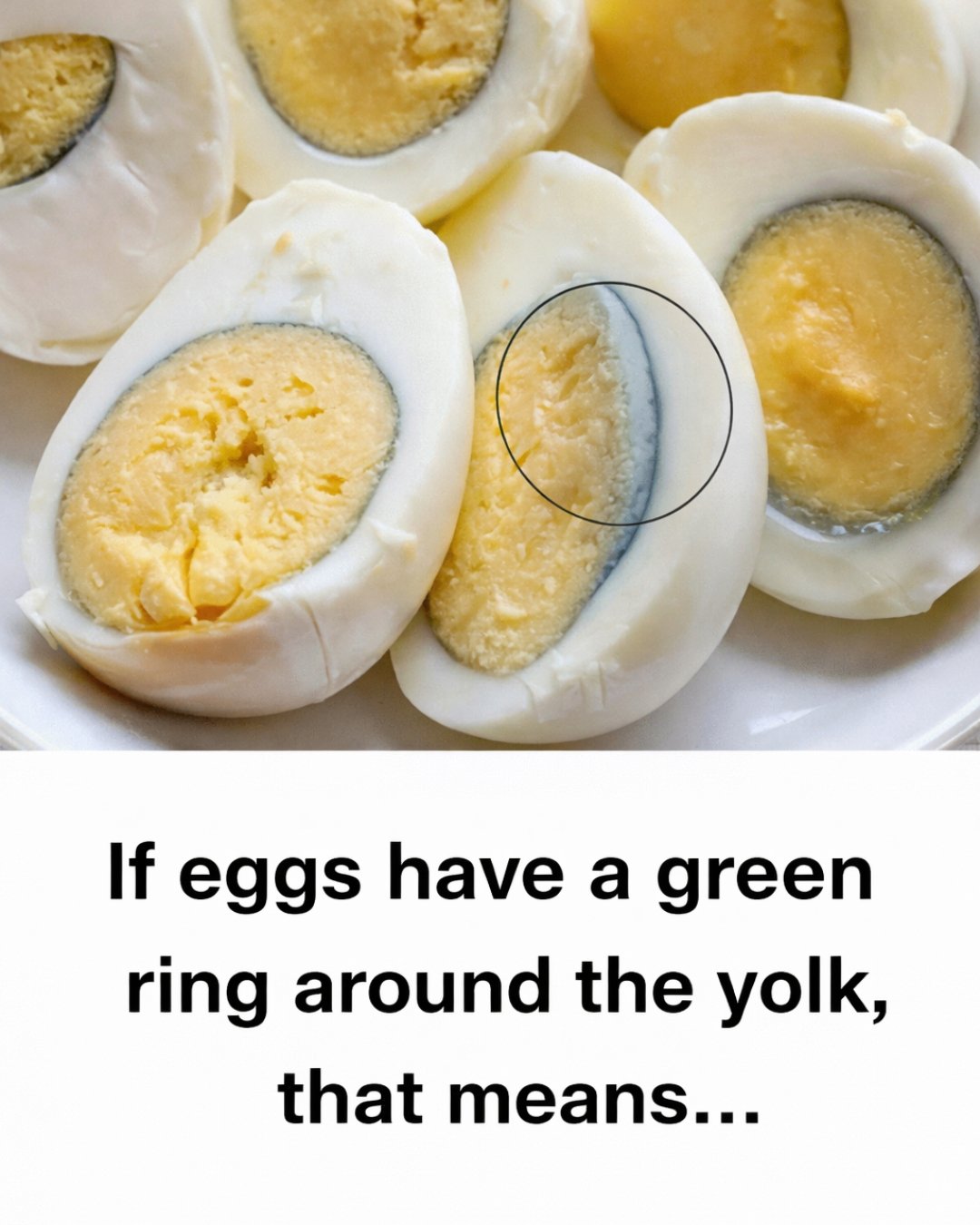
Have you ever sliced into a hard-boiled egg only to find an unappetizing green or gray ring around the yolk? Don’t worry — you’re not doing anything wrong. This common color change is harmless and tells an interesting chemical story about how eggs cook.
In this article, we’ll explain why boiled eggs get a green ring, what it means for egg quality, and how to prevent it — backed by science and easy tips for perfect hard-boiled eggs every time.
🥚 What Is the Green Ring Around Hard-Boiled Egg Yolks?
When you boil eggs and see a greenish or grayish ring around the yolk, that’s a natural chemical reaction between iron and sulfur in the egg — nothing toxic or unsafe.
This discoloration happens mostly when eggs are overcooked or cooked at too high a temperature.
🔬 The Science Behind the Color Change
Egg whites (albumen) contain sulfur, and egg yolks have iron. When an egg is heated for too long, these two elements react:
Heat breaks down proteins in the egg white.
Free sulfur atoms are released and move toward the center.
Sulfur meets iron from the yolk.
Together they form iron sulfide (FeS) — a greenish-gray compound.
This iron sulfide layer forms directly at the boundary between the yolk and white, showing as that green ring.

👉 Although the color looks strange, iron sulfide is not harmful. It simply indicates the egg was cooked a bit too long or at high heat.
🍳 Why It Happens More Often in Hard-Boiled Eggs
Hard-boiled eggs are entirely cooked — firm white and solid yolk — which means they’re exposed to heat longer than soft-boiled or poached eggs.
Factors that increase green ring formation include:
Overcooking
Very high boiling temperatures
Old eggs (older eggs have weaker whites)
No cooling step after boiling
The longer an egg cooks, the more sulfur and iron react — so the green ring becomes more obvious.
🕒 How to Boil Eggs Without a Green Ring
Want perfectly cooked eggs without the green rim? Try these simple tips:
✅ 1. Use Gentle Heat
Start with cold water and bring to a simmer, not a rapid boil. Gentle heat reduces protein breakdown in the white.

✅ 2. Don’t Overcook
Depending on size:
Soft-boiled: ~4–6 minutes
Medium: ~7–9 minutes
Hard-boiled: ~10–12 minutes
Remove eggs from heat as soon as done.
✅ 3. Cool Quickly
Shock eggs in ice water immediately after boiling. Rapid cooling:
Stops the cooking process
Keeps color bright
Makes peeling easier
✅ 4. Fresh Eggs Won’t Always Be Better
Fresh eggs tend to be harder to peel, but older eggs are less likely to develop green rings because air pockets form and cooking is more even. Either method works — just adjust timing.
🥗 Does the Green Ring Affect Taste or Safety?
No — the green ring is purely cosmetic.

Taste: The egg tastes normal.
Safety: There’s no health risk.
Nutrition: All nutrients remain intact.
So if your egg has a green rim — go ahead and enjoy it!
🍽️ Final Thoughts: Perfect Eggs Every Time
The green ring around boiled eggs may look unusual, but it’s just a harmless chemical reaction caused by heat. By boiling eggs with gentle heat and cooling them quickly, you can avoid that ring and enjoy eggs that are visually appealing and delicious.
Whether you’re making egg salad, deviled eggs, or just a quick snack, understanding this simple science helps you cook with confidence.
1 thought on “Why Do Hard-Boiled Eggs Get a Green Ring Around the Yolk? (Science Explained)”