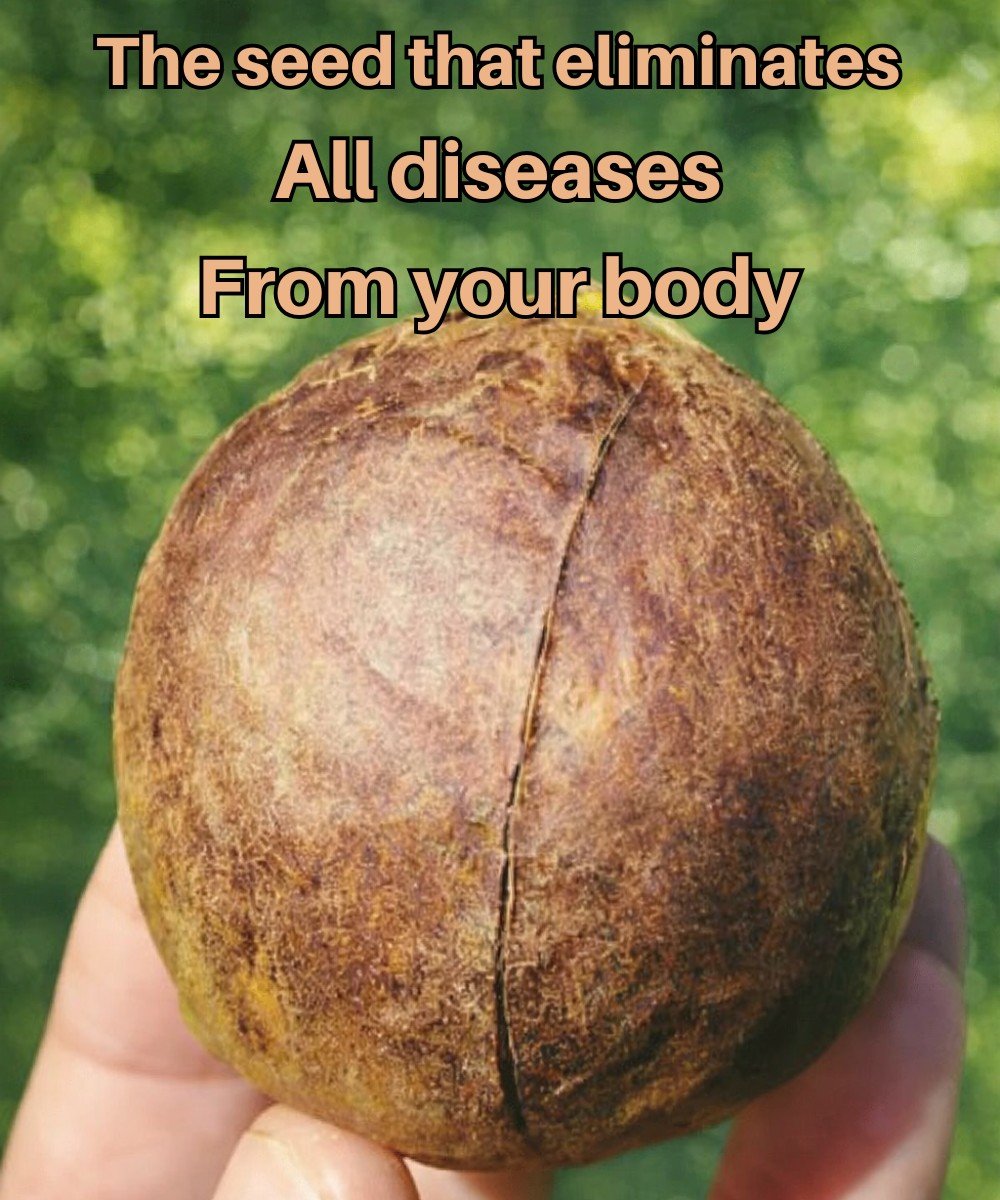
Every time you enjoy a creamy avocado in your salad or toast, that large seed in the center often ends up in the trash without a second thought. Many people overlook this part of the fruit, assuming it’s just waste. But what if that discarded pit holds some surprising natural properties worth exploring? Recent interest in natural foods has sparked curiosity about avocado seeds, and while they’re not a miracle solution, emerging research highlights their rich composition. In this guide, you’ll learn about their nutritional profile and potential role in supporting daily health—plus, there’s a simple preparation tip at the end that might change how you view your next avocado.
What Exactly Is an Avocado Seed?
The avocado seed, often called the pit, is the hard, brown core at the heart of the avocado fruit. It makes up a significant portion of the avocado’s weight—typically 13-18%—and contains concentrated plant compounds that differ from the creamy flesh we usually eat.
In some traditional practices around the world, particularly in regions where avocados originate like Mexico and South America, the seed has been used for generations in home remedies. Today, preliminary studies are exploring its bioactive elements, such as polyphenols and flavonoids, which contribute to its growing popularity in natural wellness circles.
But here’s the interesting part: research suggests the seed may hold even higher levels of certain antioxidants than the flesh itself. Keep reading to uncover why that matters.
Nutritional Properties of Avocado Seeds
Avocado seeds aren’t just empty shells—they’re packed with natural compounds that have caught the attention of researchers.
Key components include:
- Antioxidants like polyphenols and flavonoids: These help combat oxidative stress, a natural process linked to everyday wear and tear on the body.
- Dietary fiber: A notable amount that supports overall digestive function.
- Other plant-based elements: Including healthy fats in small quantities and minerals.
Studies, including reviews published in journals like Food Chemistry, indicate that avocado seeds can contain up to 70% of the fruit’s total antioxidants in some cases. This concentrated profile is why scientists are investigating ways to incorporate seed extracts into functional foods.
Of course, these properties come from lab and animal studies—human research is still emerging, but the findings are promising enough to warrant attention.
Potential Health Benefits of Avocado Seeds
While no food is a cure-all, avocado seeds show potential in several areas based on early research. Here’s a balanced look at what studies suggest:
1. Supporting Digestive Wellness
The high fiber content in avocado seeds may play a role in promoting regular digestion.
- It can help maintain bowel regularity.
- Fiber supports a healthy gut environment.
- Some traditional uses include adding small amounts to aid comfort during occasional constipation.
Animal studies have shown positive effects on gut health, and the soluble fiber acts similarly to other plant sources we already enjoy.
2. Antioxidant Support for Daily Vitality
Antioxidants are key players in protecting cells from free radicals produced during normal metabolism.
- Polyphenols in the seed may help neutralize oxidative stress.
- This could contribute to overall long-term wellness.
- Lab tests show strong antioxidant activity, often outperforming the fruit’s flesh.
Research from sources like Penn State University highlights extracts reducing inflammation markers in test models.
But that’s not all—there’s emerging interest in how these compounds might support immunity through antimicrobial properties observed in lab settings.
3. Natural Anti-Inflammatory Effects
Inflammation is a normal response, but ongoing low-level inflammation can affect comfort and energy.
- Compounds in avocado seeds have shown anti-inflammatory potential in cell studies.
- This may help with everyday joint or muscle recovery.
- Early research links it to easing discomfort in models of arthritis-like conditions.
A study in Advances in Food Technology and Nutritional Sciences noted promising activity that could inspire future food applications.
4. Contributing to Heart Health
Heart-supporting habits often include fiber-rich and antioxidant-packed foods.
- The seed’s fiber may help maintain healthy cholesterol levels already in normal range.
- Antioxidants protect against oxidative damage to blood vessels.
- Animal studies suggest benefits for circulation and lipid profiles.
Combined with a balanced diet, this makes the seed an intriguing addition for cardiovascular curiosity.
5. Boosting Overall Immune Defenses
Some compounds display antimicrobial traits.

- Extracts have inhibited certain bacteria in lab tests.
- This could support the body’s natural resistance.
- Antioxidants indirectly bolster immune function.
Traditional uses often include the seed for general vitality.
Here’s a quick comparison of avocado seed vs. flesh properties (based on research summaries):
| Aspect | Avocado Flesh | Avocado Seed |
|---|---|---|
| Primary Nutrients | Healthy fats, vitamins | Fiber, polyphenols |
| Antioxidant Concentration | Moderate | Potentially higher (up to 70%) |
| Fiber Content | Good source | Higher in insoluble fiber |
| Common Use | Eating fresh | Powder or tea |
This table highlights why the seed deserves a closer look.
Benefits for Skin and Topical Applications
Beyond consumption, ground avocado seed has traditional topical uses.
- As a gentle exfoliant in DIY scrubs.
- Mixed with oils for skin soothing.
- Its compounds may support natural skin barrier due to antioxidants.
Always patch-test first, as individual reactions vary.
How to Safely Prepare and Consume Avocado Seeds
Never eat the seed raw—it’s hard and bitter. Proper preparation is essential for safety and enjoyment.
Making Avocado Seed Powder: Step-by-Step
- Remove the seed from a ripe avocado and wash it thoroughly.
- Peel off the thin brown skin (optional, but helps with drying).
- Slice or chop the seed into smaller pieces.
- Dry in an oven at low heat (around 250°F) for 1-2 hours, or air-dry for several days until brittle.
- Grind into a fine powder using a blender or coffee grinder.
Use sparingly—start with 1/2 teaspoon in:
- Smoothies
- Herbal teas
- Soups or baked goods
Brewing Avocado Seed Tea
- Boil chopped, dried seed pieces in water for 10-15 minutes.
- Strain and enjoy warm, perhaps with a touch of honey for flavor.
This method releases compounds gently.
Topical option: Mix powder with carrier oil for a scrub.
Research emphasizes moderation, as excessive intake hasn’t been fully studied in humans.

Important Safety Considerations
Start small to see how your body responds. Avocado seeds contain natural compounds like tannins that, in large amounts, might affect nutrient absorption.
- Consult a healthcare professional if pregnant, breastfeeding, or on medications.
- They’re not suitable for everyone, especially with digestive sensitivities.
- Animal studies show safety in moderate doses, but human data is limited.
Balance is key—enjoy as part of a varied diet.
Final Thoughts
Avocado seeds are a fascinating, often-overlooked part of a beloved fruit, rich in fiber, antioxidants, and plant compounds that preliminary research links to digestive support, antioxidant protection, and more. When prepared properly and used in small amounts, they can add an interesting twist to your wellness routine without waste.
The real surprise? Turning something typically discarded into a simple powder or tea—it’s sustainable and aligns with exploring natural foods.
Frequently Asked Questions
1. Are avocado seeds safe to consume daily?
In small amounts and properly prepared, many people include them occasionally. However, due to limited long-term human studies, it’s best to use moderately and listen to your body.
2. Can avocado seeds help with weight management?
The fiber may promote feelings of fullness, supporting healthy eating habits, but they’re not a weight-loss solution on their own.
3. What’s the best way to store prepared avocado seed powder?
Keep in an airtight container in a cool, dark place for up to a few months to preserve freshness.
Disclaimer: This article is for informational purposes only and not intended to diagnose, treat, or prevent any health condition. Always consult a qualified healthcare provider before adding new foods or supplements to your routine, especially if you have underlying health concerns.