Have you ever winced at the sharp sting from a cold drink hitting a sensitive spot on your tooth? Or noticed your teeth looking a bit more worn and yellow over time? Tooth enamel—the hard, protective outer layer of your teeth—doesn’t regenerate on its own once it’s worn away by acids, brushing too hard, or everyday wear. This leaves many people dealing with sensitivity, discoloration, and a higher risk of further dental issues. The good news is that researchers are exploring innovative ways to support enamel health, and a recent study from the University of Nottingham has caught attention for its potential in this area. But what if a simple gel could mimic nature’s own process to help rebuild that protective layer? Stick around, because the details of this breakthrough might surprise you—and change how we think about everyday oral care.
Understanding Tooth Enamel and Why It Matters
Tooth enamel is the toughest substance in the human body. It shields the softer dentin underneath from damage, bacteria, and acids in food and drinks. Once enamel erodes, it doesn’t grow back naturally, which is why issues like sensitivity and cavities become more common as we age.
Research shows that enamel erosion affects a large portion of the population—nearly half of children and up to 80% of adults in some studies face some level of wear. Traditional approaches focus on prevention, like using fluoride toothpaste or avoiding acidic foods, but they can’t fully restore lost enamel.
A Breakthrough from University of Nottingham Researchers
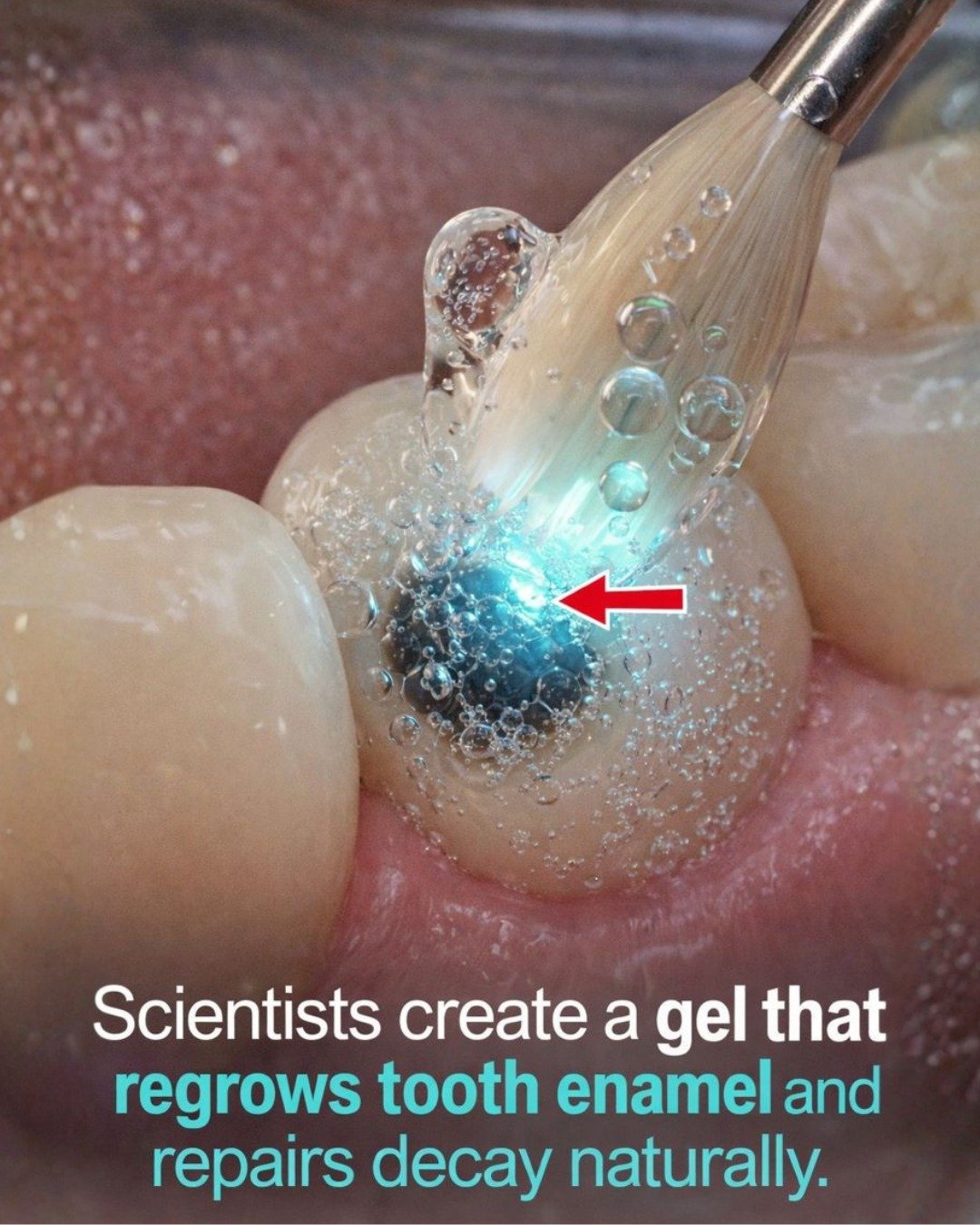
Scientists at the University of Nottingham, working with an international team, have developed a protein-based gel that shows promise in laboratory tests for supporting enamel restoration. Published in Nature Communications in 2025, the study describes a bio-inspired material using elastin-like recombinamers (ELRs)—engineered proteins designed to imitate the natural scaffolding proteins (like amelogenin) that guide enamel formation during early tooth development.
When applied to demineralized or eroded enamel (and even exposed dentin), the gel creates a framework that attracts calcium and phosphate ions from saliva. This encourages the growth of new hydroxyapatite crystals—the main building block of enamel—in an organized way that aligns with the tooth’s existing structure.

But that’s not all… Early lab results, including tests on extracted human teeth, showed the reformed layer matched the strength, organization, and resilience of natural enamel. It held up under simulated conditions like brushing, chewing, and acid exposure.
How the Gel Works in Simple Terms
The process draws inspiration from how enamel forms in babies. Natural proteins create a temporary matrix that guides mineral crystals into place. Over time, that matrix disappears, leaving strong enamel behind.
This gel uses ELRs to recreate a similar matrix:
- It forms a thin, protective layer when applied.
- The proteins self-assemble into a scaffold.
- Minerals from the environment (like in saliva) deposit and build new crystal structures.
- The result? A more integrated, enamel-like coating.
Researchers noted that the gel is fluoride-free and easy to apply—similar to a quick varnish treatment at the dentist. In lab models, crystal regrowth happened within days to weeks, with the new material showing mechanical properties close to healthy enamel.
What Makes This Approach Different?
Current options for enamel issues often involve remineralization pastes, sealants, or fillings for more advanced damage. While helpful, they don’t fully replicate natural enamel structure.
This gel stands out because:

- It promotes organized crystal growth rather than just surface patching.
- Lab tests suggest better integration with the tooth.
- It could support both repair of damaged areas and strengthening of healthy enamel to prevent future wear.
Of course, this is still in the research phase—tested mainly in controlled lab settings on extracted teeth. Human clinical trials would be the next step to confirm safety and effectiveness in real-world use.
Everyday Steps to Support Your Enamel Health Right Now
While waiting for innovations like this gel to potentially reach dental practices, you can take practical steps today to protect and support your enamel. Here’s a simple routine:
- Brush gently twice a day with a soft-bristled toothbrush and fluoride toothpaste—avoid aggressive scrubbing.
- Wait 30 minutes after acidic foods/drinks before brushing to let enamel reharden naturally.
- Use a straw for sugary or acidic beverages to reduce contact with teeth.
- Incorporate remineralizing habits: Chew sugar-free gum with xylitol after meals to boost saliva flow, which naturally carries minerals to teeth.
- Visit your dentist regularly for professional cleanings and early detection of wear.
These habits won’t regrow enamel overnight, but they help slow erosion and keep your smile healthier longer.
Looking Ahead: What This Could Mean for Dental Care
If further studies confirm these early findings, this approach might offer dentists a noninvasive tool to address early enamel loss—potentially reducing the need for more invasive procedures down the line. The team has even formed a startup (Mintech-Bio) to explore translating the research into products, with hopes for real-world applications in the coming years.
This isn’t a magic fix—enamel health still relies on consistent care—but it’s an exciting step toward more regenerative options in dentistry.
FAQ
What causes tooth enamel to wear away?
Enamel erosion often comes from acidic foods and drinks (like soda, citrus, or wine), frequent snacking, dry mouth, or habits like teeth grinding. Over time, this thins the protective layer, leading to sensitivity.

Is this gel available now?
No, the research is promising but still in early stages. It’s based on lab tests, and more human studies are needed before it could become a dental treatment.
Can I regrow enamel with home remedies?
True enamel regrowth isn’t possible naturally once lost, but good oral hygiene and remineralizing products can help strengthen what’s left and prevent further damage.
This information is for educational purposes only and is not a substitute for professional medical or dental advice. Always consult your dentist or healthcare provider for personalized guidance on oral health concerns.