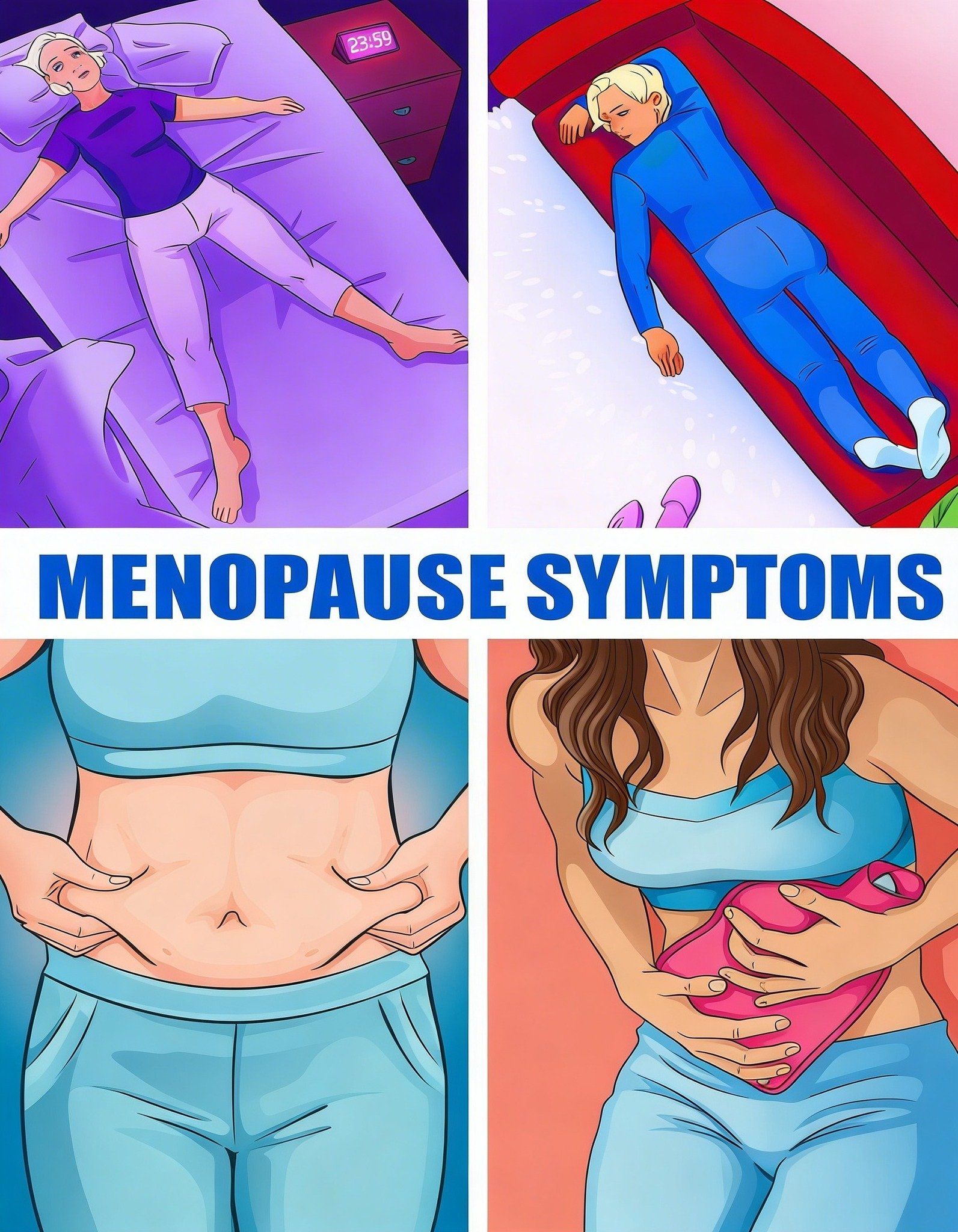
Waking up soaked in sweat at 3 a.m., struggling to recall a simple word mid-conversation, or snapping at the smallest things—these moments can feel confusing and exhausting, especially when you’re over 45 and wondering if something’s wrong. Menopause often arrives quietly during perimenopause, the transition phase, disrupting sleep, mood, and daily energy in ways that catch many women off guard. With symptoms affecting a majority of women in their 40s and 50s, recognizing these changes early can bring clarity and relief. In this guide, we’ll break down nine common signs of menopause, backed by insights from trusted sources like the Mayo Clinic, Cleveland Clinic, and NIH, so you can better understand what’s happening to your body.
 Why Menopause Can Feel Like a Mystery
Menopause officially begins after 12 consecutive months without a period, typically around age 51 in the US, but the lead-up—perimenopause—can start in your mid-40s and last 4–8 years on average. Declining estrogen and progesterone levels throw off your body’s balance, leading to a wide range of symptoms that vary greatly from person to person. Many women feel caught off guard because these changes mimic stress, aging, or other issues, yet perimenopause affects most women with at least some noticeable shifts. The good news? Spotting patterns early empowers you to seek support and manage them effectively. Let’s dive into the signs, starting with the most talked-about one.
- Hot Flashes and Night Sweats
One of the hallmark signs of menopause is sudden waves of intense heat, often spreading across your face, neck, and chest, followed by chills and heavy sweating. These hot flashes strike up to 80% of women during the transition, according to sources like the NIH and Mayo Clinic, and can last from seconds to several minutes without warning. Night sweats—the nighttime version—disrupt sleep, leaving you drenched and wide awake. If you’ve been blaming a faulty thermostat or extra blankets, frequent episodes could point to hormonal fluctuations. The disruption to rest often compounds other symptoms, making everything feel more overwhelming.

- Irregular Periods
As ovulation becomes less predictable, your menstrual cycles may shorten, lengthen, lighten, or become heavier, with skipping months entirely common in perimenopause. This affects a large majority of women entering the transition, per Cleveland Clinic and Mayo Clinic data, and can feel alarming if you’ve always been regular. Spotting between periods or unusually heavy flow might add to the frustration and uncertainty. While stress plays a role sometimes, persistent changes over months are a classic early sign of menopause approaching.
- Mood Swings and Irritability
Sudden emotional shifts—like feeling tearful one minute and irritated the next—can make you question your own reactions. Estrogen influences brain chemicals tied to mood, and its decline contributes to these changes in many women, as noted by Johns Hopkins and other experts. You might snap at loved ones over small things or feel uncharacteristically anxious. It’s not “just you”—these mood fluctuations are a common part of the hormonal rollercoaster, and recognizing them as a sign of menopause can reduce self-blame.
- Brain Fog
Forgetting names, losing your train of thought, or struggling to focus can make everyday tasks feel harder than before. Often called brain fog, this cognitive haze affects a significant portion of women during menopause, linked to estrogen’s role in supporting memory and concentration, according to Harvard Health and similar research. You might blame multitasking or lack of sleep, but when it becomes daily, it’s frequently tied to the transition. The mental cloudiness can heighten frustration, especially if you’re used to feeling sharp.
- Fatigue
Dragging through the day despite getting to bed on time, feeling constantly wiped out even after rest—this deep tiredness is widespread during menopause. Night sweats, hormonal shifts, and disrupted sleep patterns sap energy in many women, as highlighted by the Cleveland Clinic. What feels like “just being busy” might actually stem from these changes, leaving you less able to enjoy activities or handle daily demands. Persistent fatigue without clear cause is worth noting as part of the bigger picture.
- Weight Gain
Noticing extra pounds around your midsection despite similar eating and exercise habits? Slower metabolism from lower estrogen levels contributes to this in many women, often leading to abdominal weight gain that’s stubborn to shift, per Mayo Clinic insights. The frustration builds when old routines no longer work the same way, adding to body image concerns during an already challenging time. This shift is common and tied directly to hormonal changes.

Here are quick comparisons of some key signs:
- Hot Flashes/Night Sweats — Estrogen fluctuations → Sudden heat surges, often at night
- Irregular Periods — Ovulation decline → Skipped/heavy cycles
- Mood Swings — Brain chemistry shifts → Unpredictable irritability
- Brain Fog — Hormonal impact on cognition → Memory lapses, poor focus
- Fatigue — Disrupted sleep/hormones → Constant low energy
- Vaginal Dryness
Intimacy that once felt comfortable now brings discomfort, irritation, or even pain due to thinner, less lubricated vaginal tissues from reduced estrogen. This affects a notable percentage of women, according to NIH data, and can impact confidence and relationships. Many assume it’s simply aging, but it’s a frequent menopause-related change that lubricants or medical discussions can help address gently.
- Sleep Problems
Tossing and turning, waking frequently, or struggling to fall back asleep—sleep disturbances plague many during this phase, often worsened by night sweats but sometimes standalone from hormonal effects, as Stanford Medicine and others report. Chronic poor sleep amplifies fatigue, mood issues, and brain fog, creating a cycle that’s hard to break. If rest no longer refreshes you, it’s a strong clue.
- Joint Pain
Achy, stiff joints—especially in knees, hips, or hands—can emerge or worsen, as estrogen helps regulate inflammation and joint health. The Arthritis Foundation notes this in a large portion of women during menopause. What might feel like overexertion or “getting older” could be linked to these hormonal shifts, making movement less enjoyable.
Your Menopause Roadmap: What to Do Next

If several of these signs—like hot flashes combined with irregular periods and fatigue—persist for weeks or months, start tracking them in a simple journal: note frequency, triggers, and how they affect your day. Share specifics with your healthcare provider, who can discuss options like lifestyle adjustments, tests, or treatments tailored to you. Many women find relief through small changes, and early awareness makes the transition smoother.
Don’t Let Menopause Dim Your Light
These signs aren’t a sign of weakness—they’re your body’s natural transition. With understanding and support, you can reclaim energy, clarity, and comfort. Start by noting one or two symptoms today, reach out to a trusted professional, and remember: you’re not alone in this. Taking that first step can make all the difference.
Disclaimer: This article is for informational purposes only and is not a substitute for professional medical advice, diagnosis, or treatment. Always consult your healthcare provider regarding any symptoms or concerns, especially before making changes to your health routine.