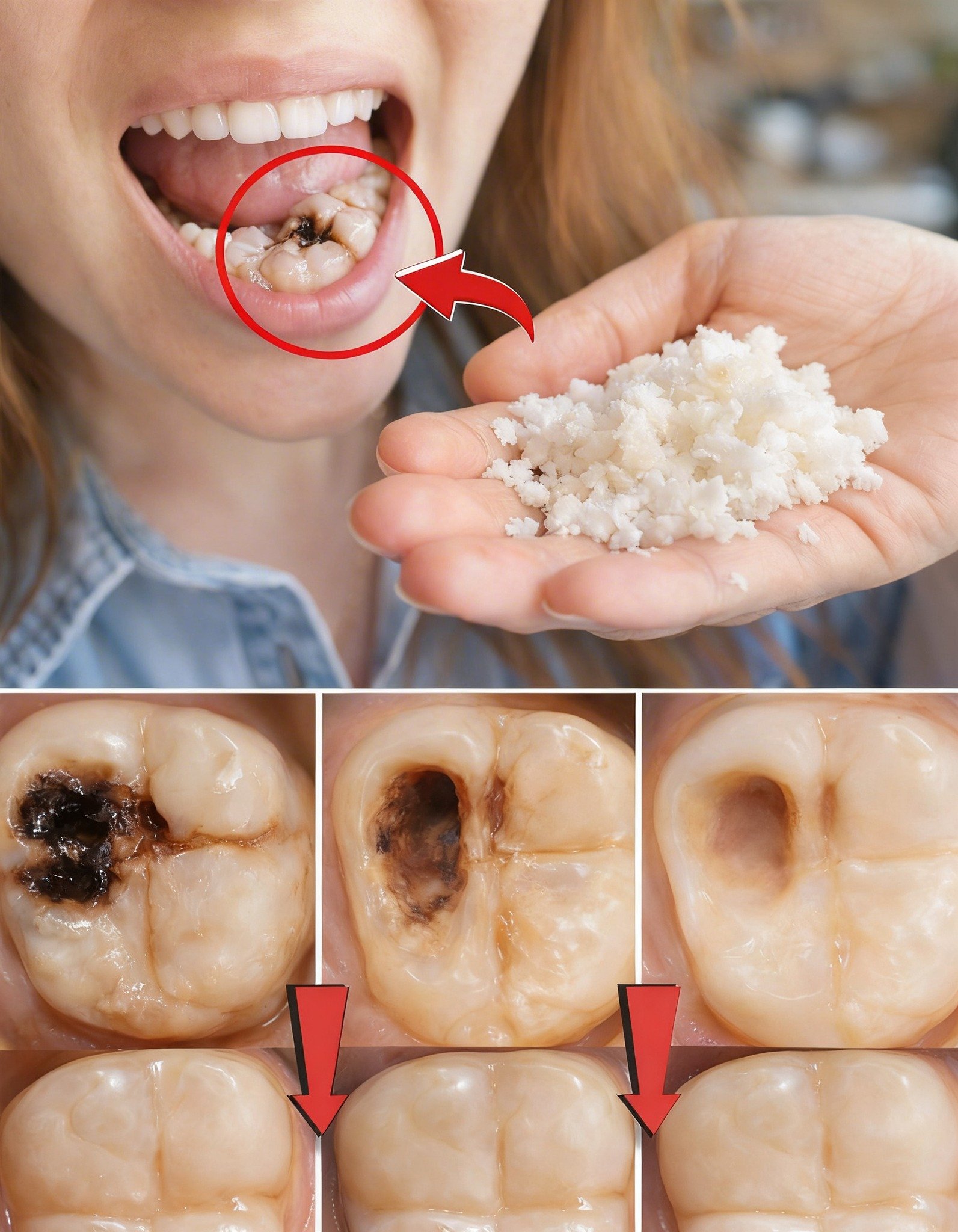
Spotting a faint white spot on your tooth can feel alarming—it’s often the first subtle sign that enamel is losing minerals to acid from plaque bacteria. Left unchecked, that spot may progress into a painful cavity needing professional intervention like fillings or worse. The discomfort of sensitivity, the worry about dental bills, and the fear of more serious issues can weigh heavily. But here’s the reassuring truth: in these very early stages—before a hole forms—your teeth have a natural ability to repair through remineralization, where saliva redeposits lost minerals like calcium and phosphate. Research from organizations like the National Institute of Dental and Craniofacial Research (NIDCR) supports that consistent habits can help support this process and reduce the risk of decay advancing. Stick with me, because by the end, you’ll have a clear, practical plan that could help you maintain stronger teeth and fewer unexpected dentist trips.
Why Remineralization Matters as Your Teeth’s Natural Defense
Enamel, the hardest substance in your body, faces constant challenges from acids produced when bacteria feed on sugars. This demineralization pulls out calcium and phosphate, creating those early white spots. The good news? Saliva naturally counters this by supplying minerals back in—a process called remineralization.
Studies show this repair works best early on, before damage becomes irreversible. Boosting saliva’s effectiveness and minimizing acid exposure can help stop or even reverse early changes, leading to healthier teeth overall.
But consistency is key—small daily choices build powerful protection over time.
The 7 Evidence-Based Habits to Support Early Tooth Repair
Here are practical, research-backed steps, starting with the most foundational.
7. Brush Twice Daily with Fluoride Toothpaste
This is non-negotiable for supporting remineralization. Fluoride attracts calcium and phosphate, helping form a stronger enamel version called fluorapatite.
Evidence from dental research consistently shows that using toothpaste with 1,000–1,500 ppm fluoride twice daily can help halt early decay and lower cavity risk. Brush for a full two minutes with a soft-bristled brush, and avoid rinsing vigorously—let a thin fluoride layer linger for extra benefit.

6. Floss Daily to Remove Hidden Plaque
Brushing alone misses up to 40% of tooth surfaces, especially between teeth where decay often begins quietly. Flossing clears food and plaque, allowing saliva to work effectively on clean areas.
Reviews of dental health studies link daily flossing to fewer interdental cavities. Make it a simple evening habit—you’ll likely notice cleaner-feeling teeth quickly.
5. Add Fluoride Mouthwash or Drink Fluoridated Water
Extra fluoride exposure helps make enamel more resistant to acids. Using a fluoride mouthwash after meals neutralizes acids fast and delivers minerals directly.
In areas with fluoridated tap water, regular sipping provides ongoing low-dose support. Community studies indicate fluoridated water can reduce cavities by about 25%.
4. Limit Sugar and Acidic Foods and Drinks
Frequent sugar or acid exposure triggers repeated acid attacks, giving saliva less recovery time. Each episode lasts 20–30 minutes, wearing down enamel over time.
Cut back on sweets, sodas, and citrus drinks. When indulging, pair them with meals when saliva flows more. Switching to water most of the time gives your teeth crucial breaks.
3. Chew Xylitol Gum After Meals
Xylitol, a natural sweetener, can’t be fermented by harmful bacteria, starving them while stimulating saliva. Chew for 5–10 minutes post-meal to raise mouth pH and aid mineral deposit.
Clinical evidence links regular xylitol use to reduced cavity-causing bacteria and better remineralization support. It’s an effortless addition—keep some in your bag.

2. Include Mineral-Rich Foods Daily
Saliva needs calcium, phosphate, vitamin D, and magnesium for effective repair. Dairy like cheese and yogurt provides these, plus proteins that buffer acids.
Leafy greens, almonds, and fatty fish (like salmon) supply key nutrients too. A classic tip: end meals with cheese to neutralize acidity and kickstart remineralization.
1. Stay Hydrated for Steady Saliva Flow
Saliva is your mouth’s primary defense—it flushes particles, neutralizes acids, and delivers minerals constantly. Dry mouth from dehydration, meds, or mouth-breathing ramps up decay risk.
Sip water all day. If dryness persists, xylitol gum or mints can help stimulate flow.
Quick Comparison: How These Habits Team Up
Here’s how they complement each other for layered protection:
- Fluoride Toothpaste — Rebuilds enamel; research shows it reverses early spots. Tip: Brush 2 minutes twice daily.
- Daily Flossing — Clears hidden plaque; reduces between-teeth decay risk. Tip: Evening routine.
- Fluoride Rinse/Water — Extra mineral boost; up to 25% fewer cavities in fluoridated areas. Tip: Swish after meals or drink tap.
- Reduced Sugar — Fewer acid attacks; limits exposure. Tip: Save treats for mealtimes.
- Xylitol Gum — Boosts saliva, starves bad bacteria. Tip: Chew 5–10 minutes after eating.
- Mineral-Rich Foods — Supplies building blocks; dairy buffers acids. Tip: Add cheese, greens, nuts, fish.
- Hydration — Maintains saliva defense; prevents dry-mouth risks. Tip: Sip throughout the day.
Combining them creates a strong shield—start with your top two if it feels easier.
Your Simple Daily Routine to Help Minimize Dentist Visits
- Morning: Brush with fluoride toothpaste for 2 minutes, then floss.
- After meals/snacks: Rinse with water or chew xylitol gum.
- All day: Drink water often; opt for mineral-rich snacks like yogurt or almonds.
- Evening: Brush again, floss, and use fluoride mouthwash if desired.
Many notice smoother teeth and less sensitivity in 1–3 months with steady effort.
Bonus Perks You’ll Notice
Beyond cavity support, these steps often bring:
- Fresher breath from lower bacteria
- Less tooth sensitivity
- Tougher enamel against daily wear
- Improved nutrition from whole foods
It’s a positive cycle for your whole health.
Common Questions Answered
Can early white spots really improve naturally?
Yes—in the pre-cavity stage, remineralization with fluoride and supportive habits can often help reverse early changes, per dental research.
How soon might you see changes?
Many report smoother teeth and reduced sensitivity within 1–3 months of consistent habits, though individual results vary.
What if dry mouth is an issue from meds?
Prioritize hydration, use xylitol products to boost saliva, and discuss options with your dentist or doctor.
This article is for informational purposes only and is not a substitute for professional dental advice. Always consult your dentist for personalized guidance, especially if you notice tooth changes.