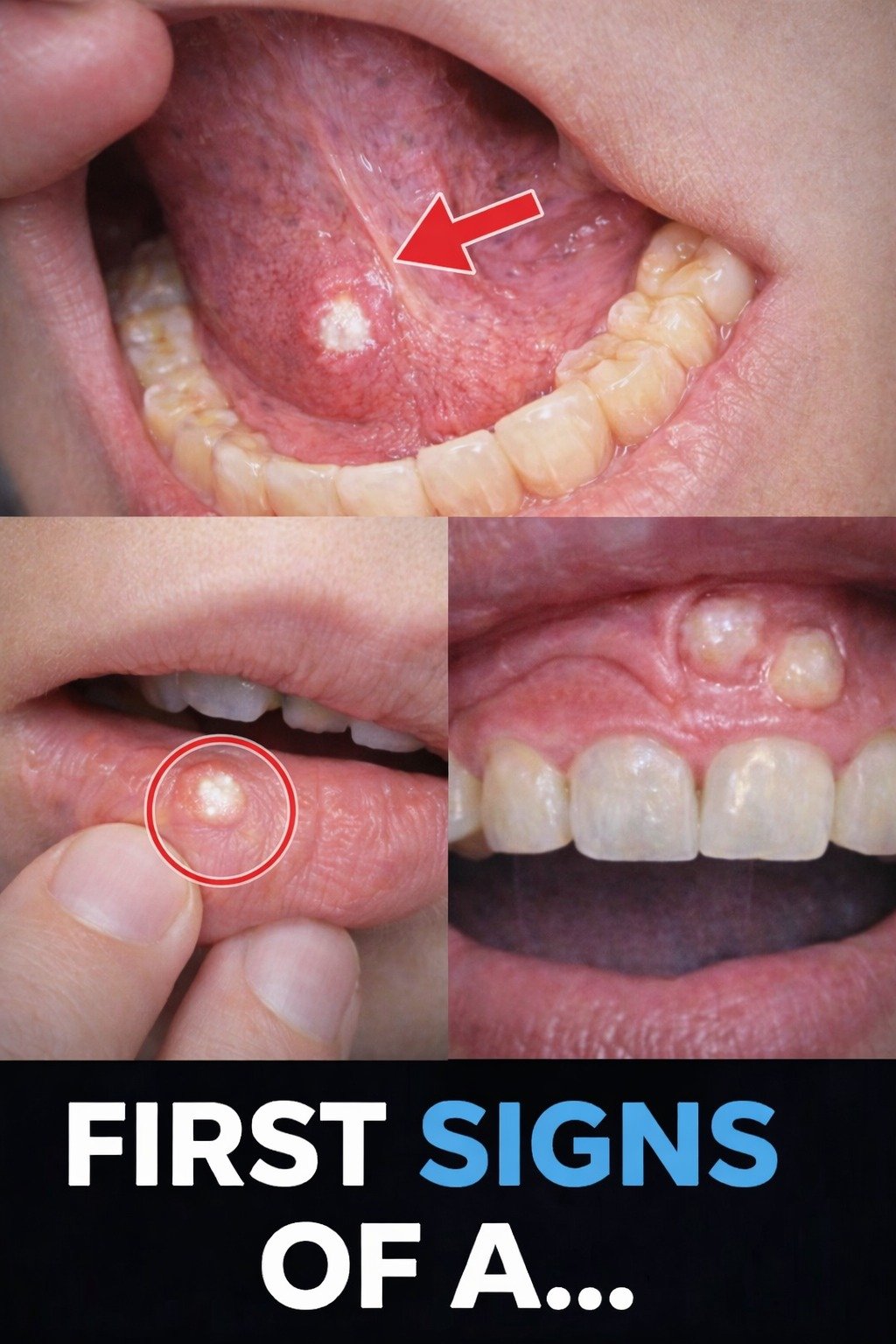
That small, stinging spot inside your cheek or on your tongue suddenly appears out of nowhere, turning every sip of coffee or bite of food into a sharp reminder of discomfort. It starts as a tiny irritation, then grows into a painful ulcer that makes talking, eating, or even smiling feel exhausting for days. You’re not alone—millions deal with these recurring mouth sores that disrupt simple pleasures and leave you wondering if something more serious is going on.
The good news is that recognizing the earliest changes can help you respond calmly and support your mouth’s natural healing process. Keep reading, because toward the end you’ll discover one surprisingly simple daily habit many people find reduces how often these annoying spots show up.
What Exactly Are Canker Sores and Why Do They Appear?
Canker sores, also called aphthous ulcers, are small, shallow lesions that form on the soft tissues inside your mouth—such as the inner cheeks, lips, tongue base, or gums. Unlike cold sores, they aren’t contagious and usually stay inside the mouth rather than on the lips.
Research published in journals like Oral Diseases and reviews from the American Academy of Oral Medicine shows they affect up to 20–40% of the population at some point. Triggers often include minor mouth injury (from biting your cheek or rough brushing), stress, certain foods, hormonal shifts, or nutritional gaps.
But that’s not the whole picture…
How to Spot the Very First Signs Before They Fully Develop
Canker sores often give subtle warnings 1–3 days before the visible ulcer appears. Paying attention to these early clues can help you take gentle steps sooner.

Here are the most commonly reported initial signs:
- A tingling, burning, or raw sensation in one specific spot inside the mouth
- Slight redness or mild swelling in the area before anything ulcer-like shows
- Increased sensitivity when that spot touches food, teeth, or your tongue
- A feeling like something is “stuck” or irritated in that location
- Mild discomfort that worsens slightly when eating acidic or spicy foods
- Occasional dryness or tightness around the affected soft tissue
- A tiny raised bump or whitish area that feels different when you run your tongue over it
These early sensations are your mouth’s way of signaling irritation—catching them quickly makes a difference in how long the sore lingers.
The Classic Stages Most People Experience
Once the sore fully forms, it typically follows a predictable pattern supported by clinical observations:
- Prodromal phase (1–3 days): Tingling or burning starts.
- Ulcer formation (day 1–3): Small round or oval sore with white/gray center and red border appears.
- Active painful phase (days 3–7): Peak discomfort, especially with eating or talking.
- Healing phase (days 7–14): Center gradually fills in, pain fades, tissue returns to normal.
Most minor canker sores heal within 1–2 weeks without scarring.
But here’s the part many overlook…
Common Triggers That Research Links to More Frequent Sores
Studies consistently point to several everyday factors that may increase likelihood:
- Stress or emotional tension (cortisol changes affect immune response in the mouth)
- Minor trauma (brushing too hard, accidental bite, sharp braces or dental work)
- Acidic or abrasive foods (citrus, tomatoes, pineapple, chips, nuts)
- Nutritional shortfalls (low iron, vitamin B12, folate, or zinc—common in restrictive diets)
- Hormonal fluctuations (especially during menstrual cycles)
- Sensitivity to certain ingredients (sodium lauryl sulfate in some toothpastes)
Understanding your personal triggers empowers better daily choices.

Quick Comparison: Canker Sores vs. Cold Sores (Why It Matters)
| Feature | Canker Sores (Aphthous Ulcers) | Cold Sores (Herpes Simplex) |
|---|---|---|
| Location | Inside mouth (cheeks, tongue, gums) | Usually outside lips or around mouth |
| Appearance | Round/oval, white/gray center, red rim | Clusters of fluid-filled blisters |
| Contagious? | No | Yes (virus spreads by contact) |
| First sign | Tingling/burning inside mouth | Tingling/itching on lip skin |
| Healing time | 7–14 days | 7–10 days |
| Recurrence trigger | Stress, injury, diet | Stress, sun, illness |
Knowing the difference brings peace of mind and helps you choose the right approach.
10 Practical Everyday Tips to Support Comfort and Healing
These gentle strategies draw from dental association recommendations and clinical insights:
- Rinse gently with salt water (1/2 tsp salt in warm water) 2–3 times daily.
- Apply a thin layer of over-the-counter protective gel or paste to shield the sore.
- Avoid acidic, spicy, or crunchy foods during active phases.
- Switch to SLS-free toothpaste if you suspect sensitivity.
- Stay hydrated—dry mouth can worsen irritation.
- Use a soft-bristle toothbrush and brush carefully.
- Manage stress with short breathing exercises or light walks.
- Chew food on the opposite side of the sore.
- Consider a supplement if diet lacks B vitamins or iron (after checking with a provider).
- Keep lips and mouth moist with plain petroleum jelly if dryness contributes.
Small consistent actions often shorten discomfort duration.
Step-by-Step: Your 7-Day Comfort Plan When a Sore Starts
Day 1: Notice tingling → Rinse with salt water immediately and avoid triggers.
Day 2: If ulcer appears → Apply protective paste and stick to soft, neutral foods.
Day 3–4: Continue rinses 3× daily + gentle oral hygiene.
Day 5–6: Monitor healing; add honey dab (natural soother) if comfortable.
Day 7: Reflect on possible triggers from the past week and adjust habits.
Most people see noticeable relief by day 7 with this approach.
When to Check In with a Professional
While most canker sores resolve on their own, reach out to a dentist or doctor if:
- Sores last longer than 2–3 weeks
- You get unusually large sores (>1 cm)
- New sores appear before old ones heal
- You have frequent outbreaks (more than 4–6 per year)
- Accompanied by fever, swollen lymph nodes, or other systemic symptoms
These situations sometimes point to underlying factors worth exploring.

Wrapping It Up: Listening to Your Mouth Makes Daily Life Easier
Canker sores may feel frustrating in the moment, but understanding their early warning signs and simple supportive steps puts you back in control. With gentle care and awareness of personal triggers, many people experience fewer and milder episodes over time. Your mouth deserves that kind attention—small daily choices can bring real comfort.
Frequently Asked Questions
How long do canker sores usually last?
Most minor ones heal within 7–14 days with basic home care; larger or frequent ones may take a bit longer.
Are canker sores contagious like cold sores?
No—they are not caused by a virus and cannot spread to others or other parts of your body through contact.
What can I do to prevent canker sores from coming back often?
Focus on stress management, gentle oral care, avoiding known trigger foods, and maintaining balanced nutrition—many find this combination reduces frequency noticeably.
Disclaimer: This article is for informational purposes only and is not a substitute for professional medical or dental advice. Mouth sores can have various causes. Consult a healthcare provider or dentist if you have persistent, unusually large, or frequently recurring sores, or if you experience additional concerning symptoms.