
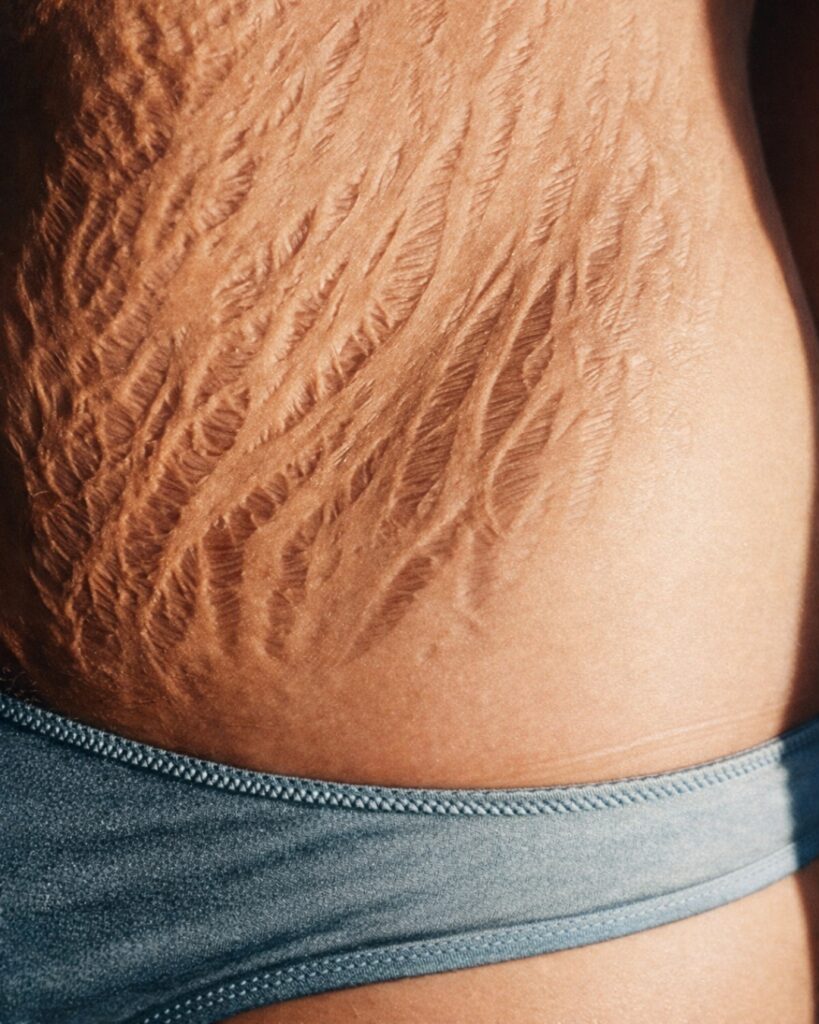
Stretch Marks: Causes, Prevention, and How to Handle Them Effectively
Stretch marks are one of the most common cosmetic concerns in women. They can appear during different stages of life and often show up on areas like the abdomen, thighs, hips, breasts, and arms. While they are completely normal and harmless, many people look for ways to reduce their appearance and keep their skin looking smooth and healthy.
So, what exactly causes stretch marks, and how can you handle them? Let’s talk about it briefly and clearly.
What Are Stretch Marks?
Stretch marks, also known as striae, are lines or streaks that appear on the skin when it stretches or shrinks quickly. This sudden change causes the collagen and elastin in the skin to rupture. As the skin heals, stretch marks may appear as red, purple, pink, or brown lines at first, and over time they usually fade into lighter, silvery or white marks.
They are not a medical problem, and they don’t cause pain or health issues. They are simply a natural response of the skin to rapid changes.
What Causes Stretch Marks?
There isn’t just one single cause. Stretch marks usually appear when the skin is under pressure to stretch faster than it can adapt. Some of the most common causes include:
1. Pregnancy
Pregnancy is one of the top reasons women develop stretch marks. As the belly and breasts grow, the skin stretches quickly, which can lead to visible lines, especially in the later months.

2. Rapid Weight Gain or Weight Loss
When your body size changes quickly, your skin may not have enough time to adjust. This can happen during growth spurts, dieting, or changes in muscle mass, and it often results in stretch marks.
3. Hormonal Changes
Hormones can affect the skin’s elasticity. During puberty, pregnancy, or certain medical treatments, hormonal shifts can make the skin more likely to develop stretch marks.
4. Genetics
If your mother or close relatives have stretch marks, you are more likely to get them too. Genetics play a role in how elastic and resilient your skin is.
5. Muscle Growth
People who build muscle quickly, such as athletes or bodybuilders, can also get stretch marks, especially on the arms, shoulders, chest, and thighs.
Can You Prevent Stretch Marks?
There is no guaranteed way to completely prevent stretch marks, but you can support your skin and reduce the risk:
Keep your skin well hydrated by drinking enough water every day.

Moisturize regularly to help maintain skin elasticity.
Eat a balanced diet rich in vitamins, minerals, and healthy fats that support skin health.
Avoid rapid weight changes when possible, and aim for gradual, steady changes instead.
Healthy skin is more flexible and may handle stretching better over time.
How Can You Handle Stretch Marks?
If you already have stretch marks, don’t worry—you’re not alone, and there are several ways to manage their appearance.
1. Skincare Products
Creams, oils, and lotions that contain ingredients like vitamin E, hyaluronic acid, cocoa butter, or centella asiatica can help keep the skin moisturized and improve its texture. While these products won’t make stretch marks disappear completely, they can help make the skin look smoother and healthier.

2. Natural Oils and Massage
Gentle massage with oils such as almond oil, coconut oil, or rosehip oil may improve blood circulation and support skin elasticity over time. Consistency matters more than quick results.
3. Professional Treatments
Some people choose treatments like laser therapy, microneedling, or chemical peels, which are done by skincare professionals. These methods can help reduce the visibility of stretch marks, but results vary and usually require multiple sessions.
4. Self-Acceptance
It’s also important to remember that stretch marks are extremely common. Many women (and men) have them, and they are a normal part of life, growth, and change. For many people, learning to accept them is just as important as trying to reduce them.
Final Thoughts
Stretch marks are a natural and very common skin concern, especially in women. They are mainly caused by rapid skin stretching due to pregnancy, weight changes, growth, hormones, or genetics. While you may not be able to prevent them completely, keeping your skin healthy, hydrated, and well cared for can make a real difference.
