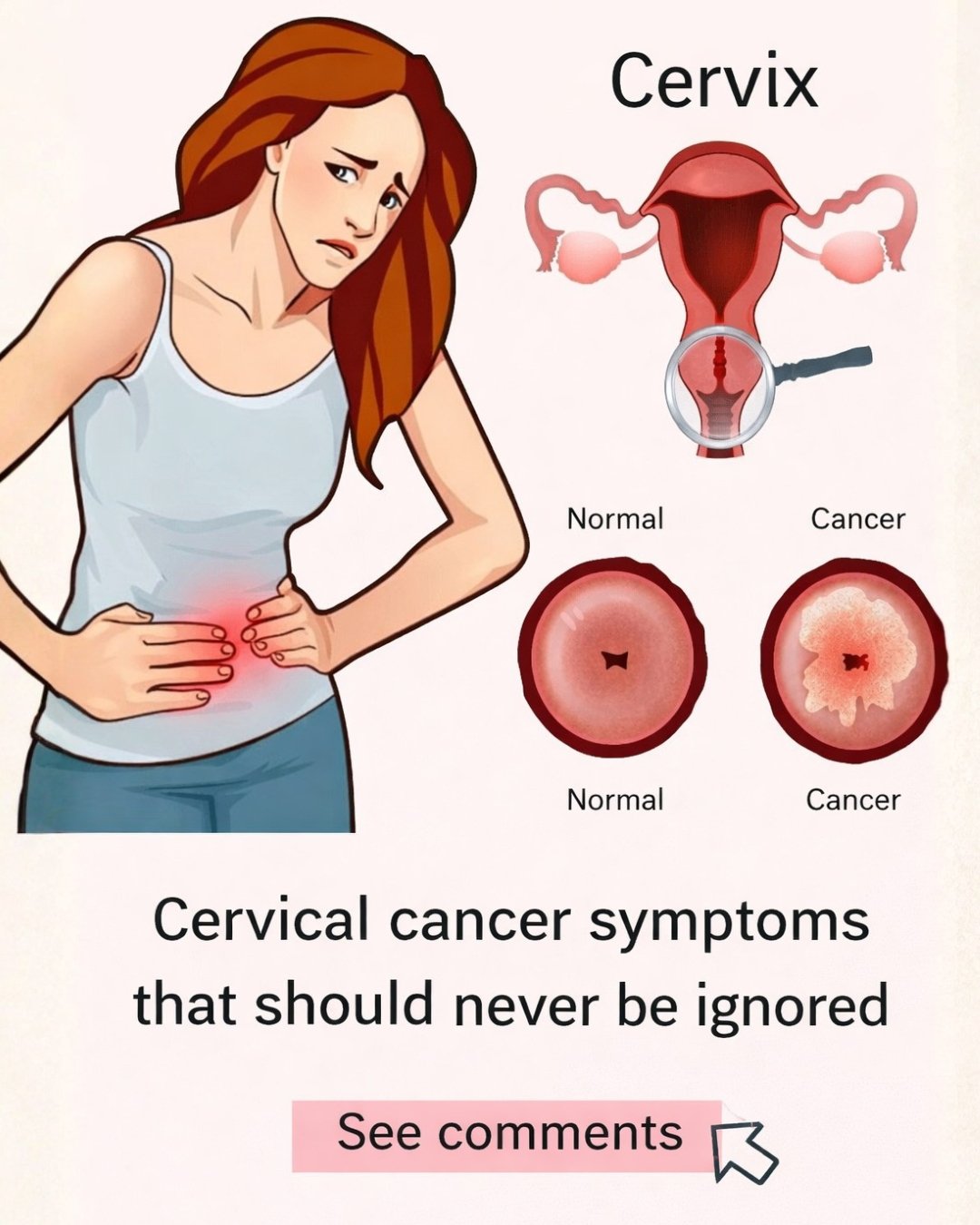
Cervical Cancer Symptoms You Should Never Ignore
Cervical cancer is one of the most common cancers affecting women worldwide. While modern screening and vaccination have significantly reduced its impact, many cases are still diagnosed late because early symptoms are often mild or easy to overlook. Knowing the warning signs can make a real difference—early detection greatly improves treatment success and long-term outcomes.
In this article, we’ll cover the most important cervical cancer symptoms, when to see a doctor, and how you can protect your health through prevention and regular screening.
What Is Cervical Cancer?
Cervical cancer starts in the cells of the cervix, which is the lower part of the uterus that connects to the vagina. In most cases, it develops slowly over time and is strongly linked to persistent infection with certain types of human papillomavirus (HPV).
Many women with early-stage cervical cancer feel completely fine, which is why regular screening (such as the Pap smear and HPV test) is so important. When symptoms do appear, they are often a sign that the disease has progressed.
Common Cervical Cancer Symptoms
If you notice any of the symptoms below and they persist or worsen, it’s important to talk to a healthcare professional. These signs do not always mean cancer, but they should never be ignored.
1. Changes in the Menstrual Cycle
One of the earliest warning signs can be unusual changes in your period, such as:
Periods that are heavier or longer than normal
Bleeding between periods
Bleeding after menopause
Any unexplained change in your normal cycle deserves medical attention.
2. Unusual Vaginal Discharge
Pay attention to changes in vaginal discharge, especially if it:
Has an unusual color

Has a strong or unpleasant odor
Contains traces of blood

While infections can also cause these symptoms, persistent or unexplained changes should be checked by a doctor.
3. Abnormal Vaginal Bleeding
Abnormal bleeding is one of the most common symptoms of cervical cancer. This can include:
Bleeding after sexual intercourse
Bleeding between periods
Bleeding after menopause
Even if the bleeding is light, it’s still important to get it evaluated.
4. Pain or Discomfort During Intimate Relations
Some women experience pain or discomfort during sexual activity. This can be caused by many conditions, but if it’s new, persistent, or getting worse, it should not be ignored.
5. Pelvic or Lower Abdominal Pain
Ongoing pain in the lower abdomen or pelvic area that doesn’t have a clear cause can be another warning sign. This pain may be mild or more noticeable, and it may come and go or be constant.
6. Unexplained Weight Loss
Losing weight without trying can be a general sign of many health problems, including cancer. If you notice a significant or ongoing weight loss with no clear reason, it’s worth getting checked.
7. Loss of Appetite and Fatigue
Feeling unusually tired or having a reduced appetite for a long period of time can also be warning signs. While stress and lifestyle factors often play a role, persistent symptoms should be taken seriously.

8. Lower Back Pain
Some women report pain in the lower back or pelvic region. On its own, back pain is very common and usually harmless, but when combined with other symptoms listed above, it should be evaluated.
When Should You See a Doctor?
You should consider seeing a healthcare professional if:
Any of these symptoms last more than a few weeks
Symptoms are getting worse over time
You experience abnormal bleeding or unusual discharge
Something feels “off” compared to your normal health
Early medical advice can rule out serious problems—or catch them at a stage when treatment is much more effective.
How Cervical Cancer Is Detected
Cervical cancer can often be detected before symptoms appear through routine screening:
Pap smear (Pap test): Looks for abnormal cells in the cervix
HPV test: Checks for high-risk types of HPV that can lead to cancer
These tests are quick, simple, and can save lives by finding changes early.
Prevention: How to Lower Your Risk
The good news is that cervical cancer is one of the most preventable cancers. Here’s how you can reduce your risk:

1. Get Regular Screenings
Regular Pap smears and HPV tests help detect problems early, often before cancer develops.
2. Consider the HPV Vaccine
The HPV vaccine protects against the most common high-risk types of HPV that cause cervical cancer. It’s most effective when given before exposure to the virus, but many people can still benefit from it later.
3. Maintain a Healthy Lifestyle
Avoid smoking
Eat a balanced diet
Support your immune system with healthy habits
These steps won’t guarantee prevention, but they help your body stay stronger and more resilient.
4. Don’t Ignore Symptoms
Listening to your body and acting early is one of the most powerful tools for protecting your health.
Final Thoughts
Cervical cancer often develops quietly, but your body usually gives warning signs when something isn’t right. Changes in bleeding, discharge, pain, or general health should never be ignored. Early detection saves lives, and regular screening remains the best defense.
Taking care of your health today can make a life-changing difference tomorrow. If something feels unusual or worrying, don’t wait—talk to a healthcare professional and get checked.