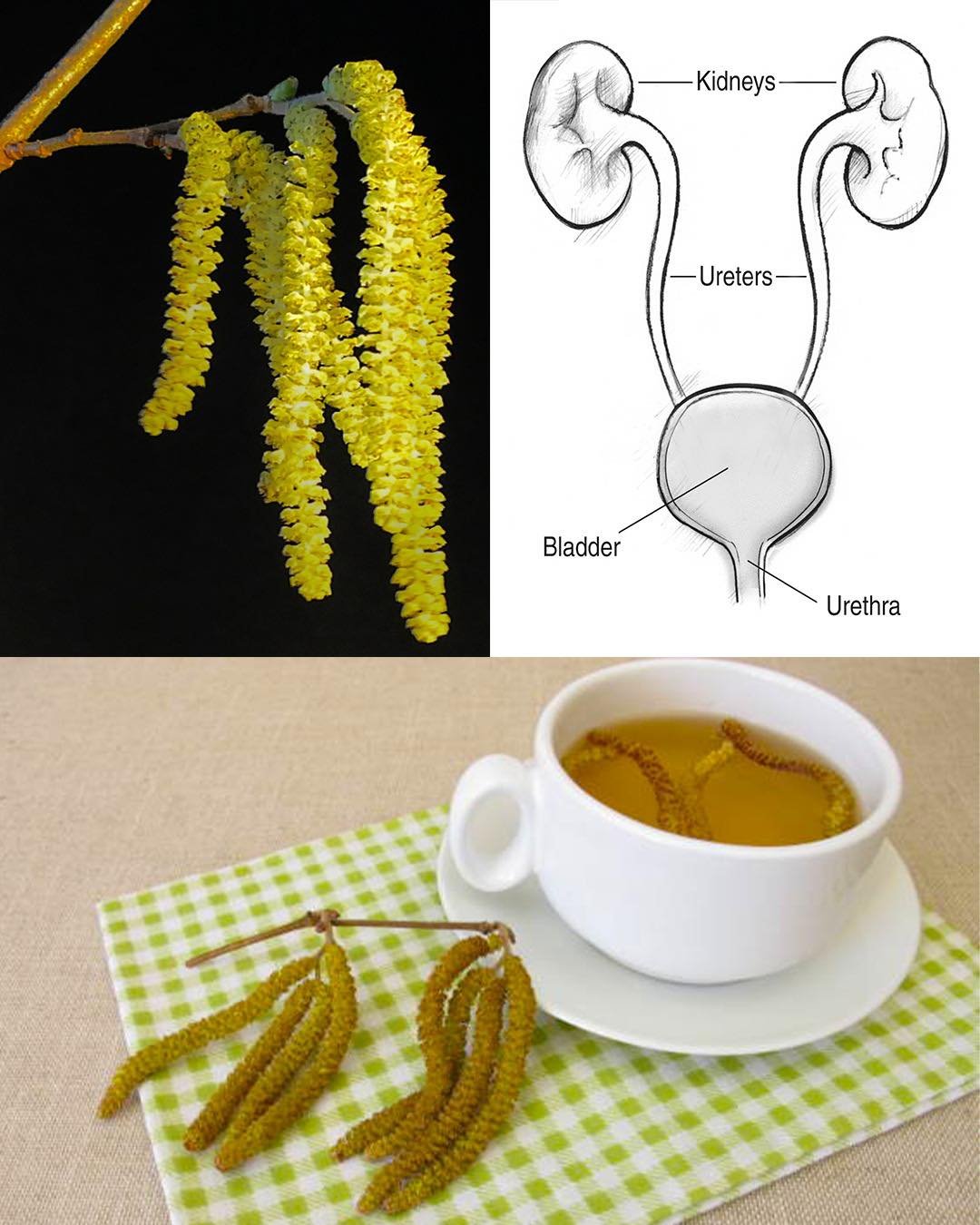
Birch Catkins – Gentle Power for Kidneys, Skin & Natural Detox
SAFETY FIRST
Birch catkins are considered a mild and traditional remedy, but they are not suitable for everyone.
Do NOT use birch catkins if you:
- are allergic to birch pollen or trees from the birch family
- have severe kidney disease or kidney failure
- suffer from serious heart conditions that require fluid restrictions
- are pregnant or breastfeeding without professional guidance
- take strong diuretic medication without medical supervision
Always start with small amounts to see how your body responds. Natural does not mean risk-free.
This article is for informational and educational purposes only and does not constitute medical advice, diagnosis, or treatment. Always consult a qualified healthcare professional before using any herbal remedy.
Birch Catkins – The Quiet Spring Cleanser
When birch trees wake up in early spring, they release long golden catkins filled with life. For generations, these delicate tassels were gathered as a gentle medicine to “wash” the body from the inside. Before modern detox programs existed, people relied on birch to refresh their kidneys, skin, and overall vitality after the long winter months.
Birch catkins are milder than birch leaves or sap, yet they hold a unique combination of minerals, flavonoids, and vitamin C that makes them especially valuable for cleansing and renewal.
Main Powers of Birch Catkins
1. Strong Diuretic and Cleansing Action
Birch catkins are best known for supporting the body’s natural elimination of excess fluids. Traditional herbal practice valued them for:
- helping the kidneys filter more efficiently
- reducing puffiness in hands, feet, and face
- supporting the removal of metabolic waste
- giving a feeling of lightness and freshness
This gentle diuretic effect is why birch was called “the tree that washes the body.”
2. Support for Urinary Tract Comfort
Warm infusions of catkins have long been used to soothe:
- mild urinary tract irritation
- burning sensation when urinating
- discomfort linked to concentrated urine
- sluggish kidney function after illness or poor diet
Birch works softly, without the harsh stimulation that some synthetic diuretics cause.
3. Skin Benefits From the Inside
Clearer kidneys often mean clearer skin. Birch catkins have been traditionally used for:
- eczema-prone skin
- itchy or irritated scalp
- dandruff
- dull complexion
- skin affected by toxin buildup
People noticed that when they drank birch infusions regularly in spring, their skin looked brighter and calmer.

4. Natural Nutrient Boost
Birch catkins contain:
- valuable flavonoids with antioxidant action
- natural vitamin C
- trace minerals
- gentle plant acids that support metabolism
These compounds help the body recover after winter, when nutrition was historically poorer.
5. Traditional “Kidney Washing” Remedy
Across many European cultures, birch was the classic spring detox plant. Infusions were taken for several weeks to:
- reduce water retention
- support joints affected by waste accumulation
- refresh the lymphatic system
- improve general energy
How to Collect Birch Catkins
Best Time to Harvest
- Early to mid-spring, when catkins are fully formed but still soft
- Dry sunny days after morning dew has disappeared
- Before they release large amounts of pollen
Where to Gather
- Clean forests, hillsides, and rural areas
- Away from busy roads or sprayed parks
- Choose healthy, mature trees
Respectful Harvest
- Take only a small handful from each tree
- Never strip a branch completely
- Leave plenty for the tree and for nature
How to Store Birch Catkins
- Spread them in a thin layer on paper or cloth
- Dry in shade with good airflow
- Turn them daily
- Store in glass jars away from light and moisture
Properly dried catkins keep their power for about one year.
Homemade Ways to Use Birch Catkins
1. Gentle Kidney Tea
- 1 teaspoon dried catkins
- 1 cup hot (not boiling) water
- Steep 10 minutes
- Drink 1–2 cups daily for 2–3 weeks
Ideal for water retention and general cleansing.
2. Stronger Infusion for Urinary Comfort
- 2 teaspoons catkins
- 250 ml water
- Steep 15 minutes covered
- Sip slowly through the day
3. Skin-Soothing Rinse
- Make a strong tea
- Use to rinse scalp after washing
- Apply with cotton on irritated skin
- Helpful for dandruff and itching
4. Detox Spring Blend
Birch catkins combine well with:
- nettle leaves
- dandelion leaves
- rose hips
This creates a balanced cleansing drink.
Simple 3-Week Spring Program
- Week 1: one cup per day
- Week 2: two cups per day
- Week 3: one cup per day again
Drink plenty of water and reduce salty foods for best results.
Why Birch Catkins Matter Today
Modern life overloads the kidneys with salt, processed food, and stress. Birch catkins offer a gentle, natural way to support what the body already knows how to do.
They are not aggressive medicine. Their strength lies in soft, consistent help—exactly what many people need.
SAFETY FIRST
Birch catkins are considered a mild and traditional remedy, but they are not suitable for everyone.

Do NOT use birch catkins if you:
- are allergic to birch pollen or trees from the birch family
- have severe kidney disease or kidney failure
- suffer from serious heart conditions that require fluid restrictions
- are pregnant or breastfeeding without professional guidance
- take strong diuretic medication without medical supervision
Always start with small amounts to see how your body responds. Natural does not mean risk-free.
This article is for informational and educational purposes only and does not constitute medical advice, diagnosis, or treatment. Always consult a qualified healthcare professional before using any herbal remedy.
Birch Catkins – The Quiet Spring Cleanser
When birch trees wake up in early spring, they release long golden catkins filled with life. For generations, these delicate tassels were gathered as a gentle medicine to “wash” the body from the inside. Before modern detox programs existed, people relied on birch to refresh their kidneys, skin, and overall vitality after the long winter months.
Birch catkins are milder than birch leaves or sap, yet they hold a unique combination of minerals, flavonoids, and vitamin C that makes them especially valuable for cleansing and renewal.
Main Powers of Birch Catkins
1. Strong Diuretic and Cleansing Action
Birch catkins are best known for supporting the body’s natural elimination of excess fluids. Traditional herbal practice valued them for:
- helping the kidneys filter more efficiently
- reducing puffiness in hands, feet, and face
- supporting the removal of metabolic waste
- giving a feeling of lightness and freshness
This gentle diuretic effect is why birch was called “the tree that washes the body.”
2. Support for Urinary Tract Comfort
Warm infusions of catkins have long been used to soothe:
- mild urinary tract irritation
- burning sensation when urinating
- discomfort linked to concentrated urine
- sluggish kidney function after illness or poor diet
Birch works softly, without the harsh stimulation that some synthetic diuretics cause.
3. Skin Benefits From the Inside
Clearer kidneys often mean clearer skin. Birch catkins have been traditionally used for:
- eczema-prone skin
- itchy or irritated scalp
- dandruff
- dull complexion
- skin affected by toxin buildup
People noticed that when they drank birch infusions regularly in spring, their skin looked brighter and calmer.
4. Natural Nutrient Boost
Birch catkins contain:

- valuable flavonoids with antioxidant action
- natural vitamin C
- trace minerals
- gentle plant acids that support metabolism
These compounds help the body recover after winter, when nutrition was historically poorer.
5. Traditional “Kidney Washing” Remedy
Across many European cultures, birch was the classic spring detox plant. Infusions were taken for several weeks to:
- reduce water retention
- support joints affected by waste accumulation
- refresh the lymphatic system
- improve general energy
How to Collect Birch Catkins
Best Time to Harvest
- Early to mid-spring, when catkins are fully formed but still soft
- Dry sunny days after morning dew has disappeared
- Before they release large amounts of pollen
Where to Gather
- Clean forests, hillsides, and rural areas
- Away from busy roads or sprayed parks
- Choose healthy, mature trees
Respectful Harvest
- Take only a small handful from each tree
- Never strip a branch completely
- Leave plenty for the tree and for nature
How to Store Birch Catkins
- Spread them in a thin layer on paper or cloth
- Dry in shade with good airflow
- Turn them daily
- Store in glass jars away from light and moisture
Properly dried catkins keep their power for about one year.
Homemade Ways to Use Birch Catkins
1. Gentle Kidney Tea
- 1 teaspoon dried catkins
- 1 cup hot (not boiling) water
- Steep 10 minutes
- Drink 1–2 cups daily for 2–3 weeks
Ideal for water retention and general cleansing.
2. Stronger Infusion for Urinary Comfort
- 2 teaspoons catkins
- 250 ml water
- Steep 15 minutes covered
- Sip slowly through the day
3. Skin-Soothing Rinse
- Make a strong tea
- Use to rinse scalp after washing
- Apply with cotton on irritated skin
- Helpful for dandruff and itching
4. Detox Spring Blend
Birch catkins combine well with:
- nettle leaves
- dandelion leaves
- rose hips
This creates a balanced cleansing drink.
Simple 3-Week Spring Program
- Week 1: one cup per day
- Week 2: two cups per day
- Week 3: one cup per day again
Drink plenty of water and reduce salty foods for best results.
Why Birch Catkins Matter Today
Modern life overloads the kidneys with salt, processed food, and stress. Birch catkins offer a gentle, natural way to support what the body already knows how to do.
They are not aggressive medicine. Their strength lies in soft, consistent help—exactly what many people need.