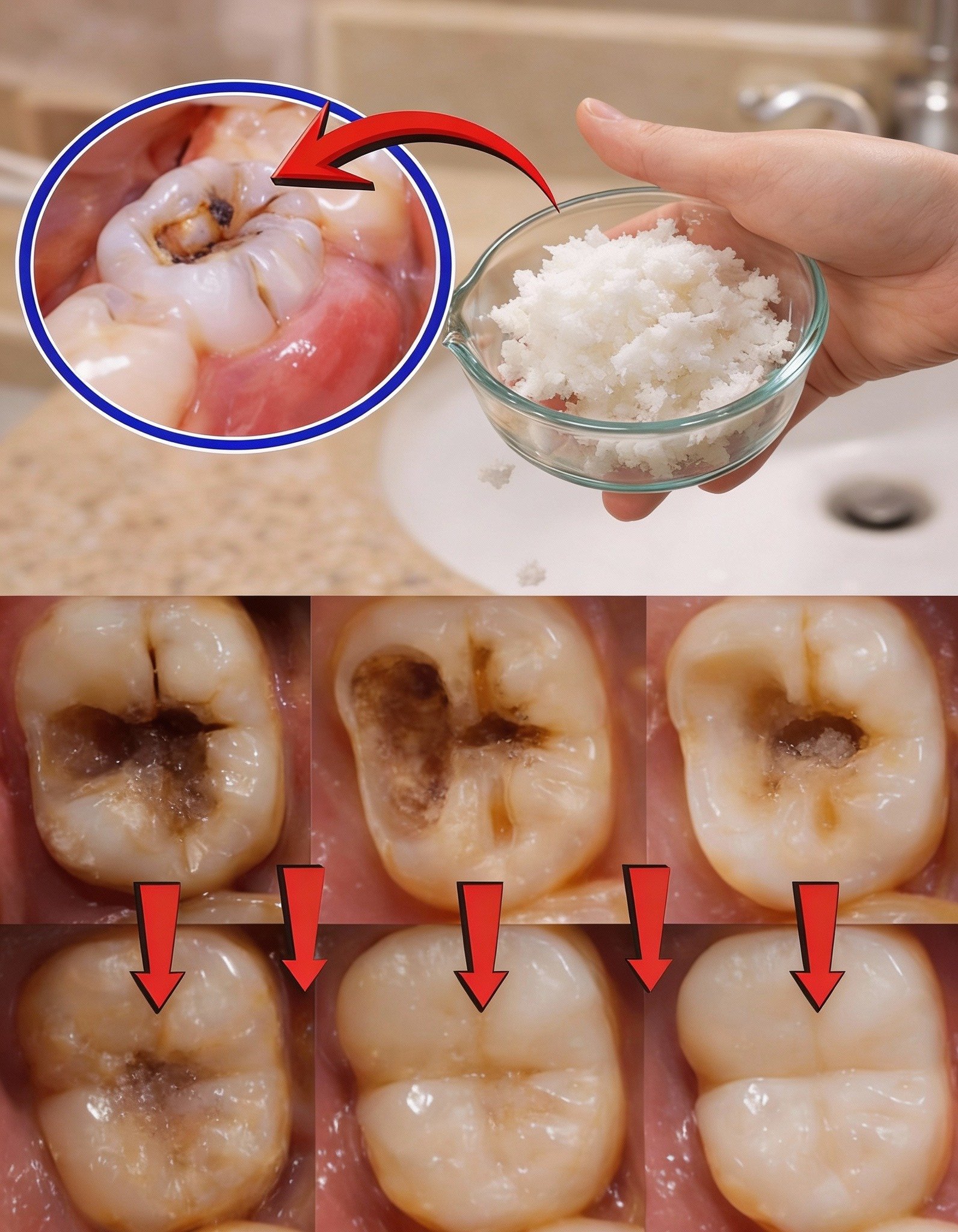
Keep These Tips in Mind to Avoid Visiting the Dentist: How to Naturally Support Early Cavity Repair
Imagine looking in the mirror one morning and spotting a faint white chalky spot on your tooth. It’s small, barely noticeable, but it’s the first sign that acid-producing bacteria have begun stripping minerals from your enamel. If ignored, that spot can turn into a full-blown cavity requiring drills and fillings—but here’s the good news: at this early stage, your teeth can often repair themselves naturally through a process called remineralization. The key is acting fast with proven daily habits. Ready to discover the practical steps that can help you keep those dentist visits to a minimum?
Why Remineralization Is Your Teeth’s Best Defense
Your enamel is the hardest substance in your body, but it’s not invincible. When bacteria in plaque feed on sugars, they release acids that pull calcium and phosphate out of the enamel—a process called demineralization. Fortunately, saliva constantly works to reverse this by depositing those same minerals back in.
This natural repair system is powerful in the early stages, before an actual hole forms. Research from the National Institute of Dental and Craniofacial Research (NIDCR) shows that boosting saliva’s mineral supply and reducing acid attacks can stop or even reverse those white spots. The result? Stronger, healthier teeth—and far fewer reasons to sit in the dentist’s chair.
But here’s what really matters: consistency. Small daily choices add up to big protection.
The 7 Evidence-Based Tips to Support Early Repair and Prevent Cavities
Let’s count them down with the habits that give you the strongest foundation first.
7. Brush Twice Daily with Fluoride Toothpaste
It sounds basic, but it’s the cornerstone of remineralization. Fluoride helps attract calcium and phosphate back into the enamel, forming a tougher version called fluorapatite.
Studies consistently show that brushing twice a day with toothpaste containing 1,000–1,500 ppm fluoride can halt early decay and reduce cavity risk significantly. Spend a full two minutes, use a soft brush, and don’t rinse vigorously afterward—leaving a thin layer of toothpaste behind extends the fluoride’s benefits.
6. Floss Every Day to Clear Hidden Plaque
Brushing misses about 40% of tooth surfaces, especially between teeth where decay often starts unnoticed. Flossing removes food particles and plaque from these tight spaces, giving your saliva a clean surface to do its repair work.
Daily flossing is linked to lower rates of interdental cavities, according to multiple dental health reviews. Make it a non-negotiable evening habit—you’ll feel the difference.

5. Use Fluoride Mouthwash or Drink Fluoridated Water
An extra fluoride boost throughout the day makes enamel more acid-resistant. Swishing with a fluoride mouthwash after meals neutralizes acids quickly and delivers minerals directly to tooth surfaces.
If your tap water is fluoridated (common in many areas), every sip provides a low-dose mineral supply. Research shows communities with fluoridated water have up to 25% fewer cavities.
4. Cut Back on Sugar and Acidic Foods and Drinks
Every sugary snack or sip of soda triggers an acid attack that lasts about 20–30 minutes. The more frequent the attacks, the less time your saliva has to repair damage.
The solution is simple: limit sweets and acidic drinks, and when you do indulge, enjoy them during meals when saliva flow is higher. Replacing sugary drinks with water gives your teeth valuable recovery time.
3. Chew Xylitol Gum After Eating
Xylitol is a natural sweetener that harmful bacteria can’t use for fuel. Chewing xylitol gum for 5–10 minutes after meals stimulates saliva flow, raises mouth pH, and helps deposit minerals back into enamel.
Clinical studies show regular xylitol use reduces cavity-causing bacteria and supports remineralization. Keep a pack handy—it’s an easy win.
2. Eat Mineral-Rich Foods Every Day
Calcium, phosphate, vitamin D, and magnesium are the building blocks your saliva needs for repair. Foods like cheese, yogurt, leafy greens, almonds, and fatty fish supply these nutrients directly.
Dairy also contains proteins that buffer acids. Ending a meal with a piece of cheese is a classic trick—it neutralizes acidity and kick-starts remineralization.
1. Stay Hydrated to Keep Saliva Flowing
Saliva is your mouth’s natural defense system. It washes away food particles, neutralizes acids, and delivers minerals 24/7. Dry mouth—whether from medications, dehydration, or breathing through your mouth—dramatically increases decay risk.

Drink water throughout the day, and if you feel dryness, try chewing sugar-free gum or sucking on xylitol mints to stimulate flow.
Quick Comparison: How These Habits Work Together
| Habit | Key Benefit | Evidence Highlight | Easy Daily Tip |
|---|---|---|---|
| Fluoride Toothpaste | Rebuilds and strengthens enamel | NIDCR: reverses early white spots | Brush 2 minutes, twice daily |
| Daily Flossing | Removes hidden plaque | Reduces interdental decay risk | Evening routine, every single day |
| Fluoride Rinse/Water | Extra mineral delivery | Up to 25% fewer cavities in fluoridated areas | Swish after meals or drink tap water |
| Reduced Sugar | Fewer acid attacks | Less frequent exposure = lower risk | Save sweets for mealtimes |
| Xylitol Gum | Boosts saliva, starves bad bacteria | Raises pH and supports mineral deposit | Chew 5–10 minutes after eating |
| Mineral-Rich Foods | Supplies calcium and phosphate | Dairy proteins buffer acids | Add cheese, greens, nuts, fish |
| Good Hydration | Maintains constant saliva flow | Prevents dry-mouth decay acceleration | Sip water all day |
These habits are most powerful when combined—think of them as layers of protection.
Your Simple Daily Routine to Minimize Dentist Visits
- Morning: Brush with fluoride toothpaste for 2 minutes, then floss.
- After meals/snacks: Rinse with water or chew xylitol gum.
- Throughout the day: Drink water regularly; choose mineral-rich snacks.
- Evening: Brush again, floss, and consider a fluoride mouthwash.
Start with just one or two changes if it feels overwhelming. Most people notice smoother teeth and less sensitivity within a few months.
Bonus Benefits You’ll Love
These habits do more than protect against cavities:
- Fresher breath from lower bacteria levels
- Reduced tooth sensitivity
- Stronger enamel against everyday wear
- Better overall nutrition from focusing on whole foods
It’s a win beyond just your smile.
Addressing Common Questions and Myths
You might have heard that oil pulling, baking soda, or certain herbs can “cure” cavities. While some natural practices can support oral health mildly, the strongest evidence points to fluoride, reduced sugar, and good hygiene for preventing and supporting early repair.
Once an actual hole forms, no home remedy can fill it—professional treatment is needed. These tips shine brightest for prevention and the very earliest stages.
Final Thoughts: Take Control of Your Smile
Small, consistent actions can make a huge difference in keeping early decay from progressing. Focus on fluoride, limit sugar exposure, stimulate saliva, and feed your body the minerals it needs. You’ll likely find yourself visiting the dentist mainly for cleanings rather than fillings.
Start today—pick one habit and build from there. Your teeth will thank you.

Frequently Asked Questions
Can early cavities really heal naturally?
Yes, in the white-spot stage before a hole forms, remineralization supported by fluoride and good habits can often reverse the damage, according to dental research.
How long does it take to see improvement?
Many people notice smoother teeth and reduced sensitivity within 1–3 months of consistent habits, though results vary.
What if I already have dry mouth from medication?
Stay extra hydrated, use xylitol products to stimulate saliva, and talk to your doctor or dentist about additional options.
This article is for informational purposes only and is not a substitute for professional dental or medical advice. Always consult your dentist for personalized guidance, especially if you notice changes in your teeth.