High Cholesterol? Never Again! Natural Solutions to Restore Your Health
igh cholesterol is one of the most common health concerns worldwide — and one of the most misunderstood. Millions of people live with elevated cholesterol levels without realizing the serious risks it can pose to the heart, blood vessels, and overall wellbeing.
The good news? High cholesterol is not a life sentence.
With the right knowledge, lifestyle changes, and natural strategies, you can lower bad cholesterol, protect your heart, and regain control of your health — without relying solely on medication.
In this guide, you’ll discover what cholesterol really is, why it increases, and the most effective natural ways to bring it back to healthy levels.
What Is Cholesterol and Why Does It Increase?
Cholesterol is a fatty, wax-like substance found in every cell of your body. It plays important roles, such as:
Building cell membranes
Producing hormones
Supporting digestion through bile acids
However, problems begin when cholesterol levels become unbalanced.
Types of Cholesterol
There are two main types:
LDL (Low-Density Lipoprotein) – often called bad cholesterol. High levels can cause plaque buildup in arteries.
HDL (High-Density Lipoprotein) – known as good cholesterol. It helps remove excess cholesterol from the bloodstream.
When LDL rises and HDL drops, cholesterol accumulates inside blood vessels, increasing the risk of heart disease and stroke.
Common Causes of High Cholesterol
High cholesterol rarely comes from a single factor. It usually develops due to a combination of habits and conditions, including:
Diet high in saturated fats and trans fats
Frequent consumption of processed foods
Lack of physical activity
Obesity or excess abdominal fat
Smoking
Chronic stress
Diabetes or insulin resistance
Genetic predisposition
Understanding the root cause is the first step toward reversing the problem naturally.

How to Know If You Have High Cholesterol
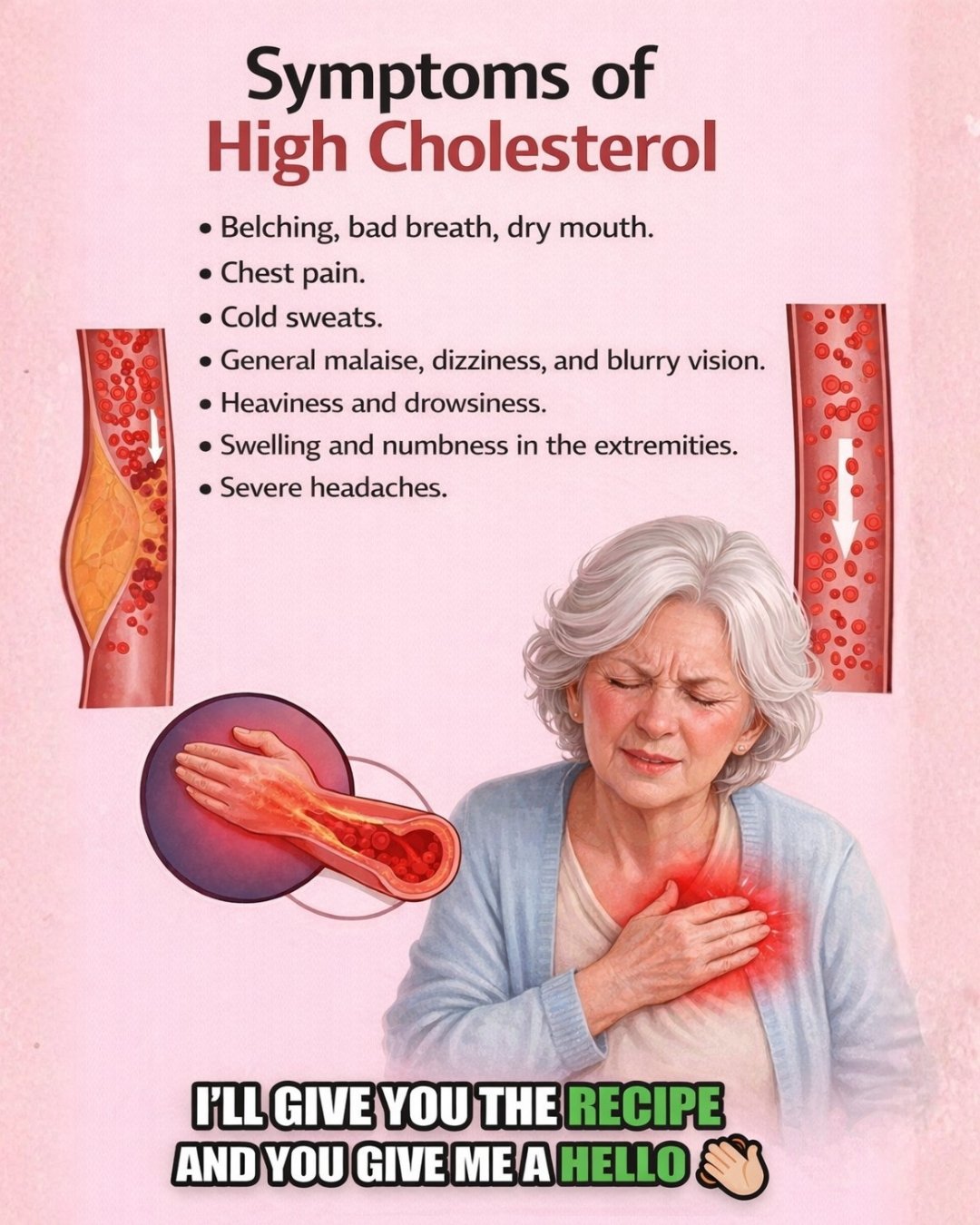
High cholesterol usually has no obvious symptoms. Many people feel completely fine until serious complications appear.
The only reliable way to know is through a blood test, which typically measures:
Total cholesterol
LDL cholesterol
HDL cholesterol
Triglycerides
Regular testing is essential, especially if you have a family history of heart disease or metabolic disorders.
Natural Ways to Lower Cholesterol Effectively
1. Improve Your Diet
Food has a powerful influence on cholesterol levels.
Increase:
Oats and whole grains
Legumes (lentils, beans, chickpeas)
Fatty fish (salmon, sardines, mackerel)
Nuts and seeds
Fruits rich in soluble fiber (apples, pears, berries)
Vegetables, especially leafy greens
Reduce or avoid:
Fried foods
Processed meats
Margarine and hydrogenated oils
Sugary snacks and baked goods
Soluble fiber binds cholesterol in the digestive system and helps eliminate it naturally.
2. Use Heart-Friendly Fats
Not all fats are harmful.
Healthy fats can actually improve cholesterol balance.

Best options include:
Extra virgin olive oil
Avocado
Nuts
Seeds
Omega-3 fatty acids
These fats help lower LDL while increasing protective HDL cholesterol.
3. Move Your Body Regularly
Physical activity boosts HDL (good cholesterol) and improves circulation.
You don’t need extreme workouts. Even:
30 minutes of walking daily
Light jogging
Cycling
Swimming
can significantly improve cholesterol levels within a few weeks.
Consistency matters more than intensity.
4. Manage Stress Levels
Chronic stress raises cortisol, which negatively affects lipid metabolism.
Natural stress-reducing methods include:
Deep breathing
Meditation
Yoga
Spending time outdoors
Adequate sleep
Lower stress often equals better cholesterol control.

5. Consider Natural Supplements
Some natural compounds show promising effects on cholesterol balance:
Garlic extract
Plant sterols
Psyllium husk
Red yeast rice (use only with professional guidance)
Green tea
Always consult a healthcare provider before combining supplements with medication.
Lifestyle Habits That Support Healthy Cholesterol
Small daily habits can make a big difference:
Quit smoking
Limit alcohol intake
Maintain a healthy weight
Eat regular, balanced meals
Stay hydrated
These habits work together to reduce inflammation and protect the cardiovascular system.
Can High Cholesterol Be Reversed Naturally?
In many cases — yes.
When detected early and addressed consistently, cholesterol levels can improve significantly within 8–12 weeks through diet, movement, and lifestyle changes.
Medication may still be necessary for some individuals, but natural methods often reduce dependency and improve long-term heart health.
Final Thoughts
High cholesterol doesn’t appear overnight — and it doesn’t disappear overnight either. But with the right approach, it is absolutely manageable.
By understanding your body, choosing nourishing foods, staying active, and supporting your heart naturally, you can protect your arteries and build lasting health.
Your heart works for you every second.
Taking care of it today means a healthier tomorrow.