Ginger: Health Benefits, Safety Tips, and When to Use Caution
Ginger is a widely loved root known for its warm flavor and long history in traditional wellness practices. From soothing teas to flavorful meals, many people use ginger daily for its potential health benefits. However, like any natural ingredient, ginger isn’t suitable for everyone—especially when consumed in large amounts or in supplement form. Understanding when to use caution can help you enjoy ginger safely while protecting your overall health.
Why Ginger Is Popular for Everyday Wellness
Scientifically known as Zingiber officinale, ginger has been used for centuries to support digestion and relieve occasional nausea. Its active compounds, including gingerol, provide antioxidant and anti-inflammatory properties. Research highlighted by organizations such as National Center for Complementary and Integrative Health (NCCIH) suggests that moderate intake—typically up to about 4 grams daily from food sources—is generally well tolerated by healthy adults.
Many people add fresh ginger to meals, brew it into tea, or include it in home remedies without experiencing side effects. Still, individual responses vary depending on personal health conditions, dosage, and whether ginger is consumed fresh, dried, or as a supplement.
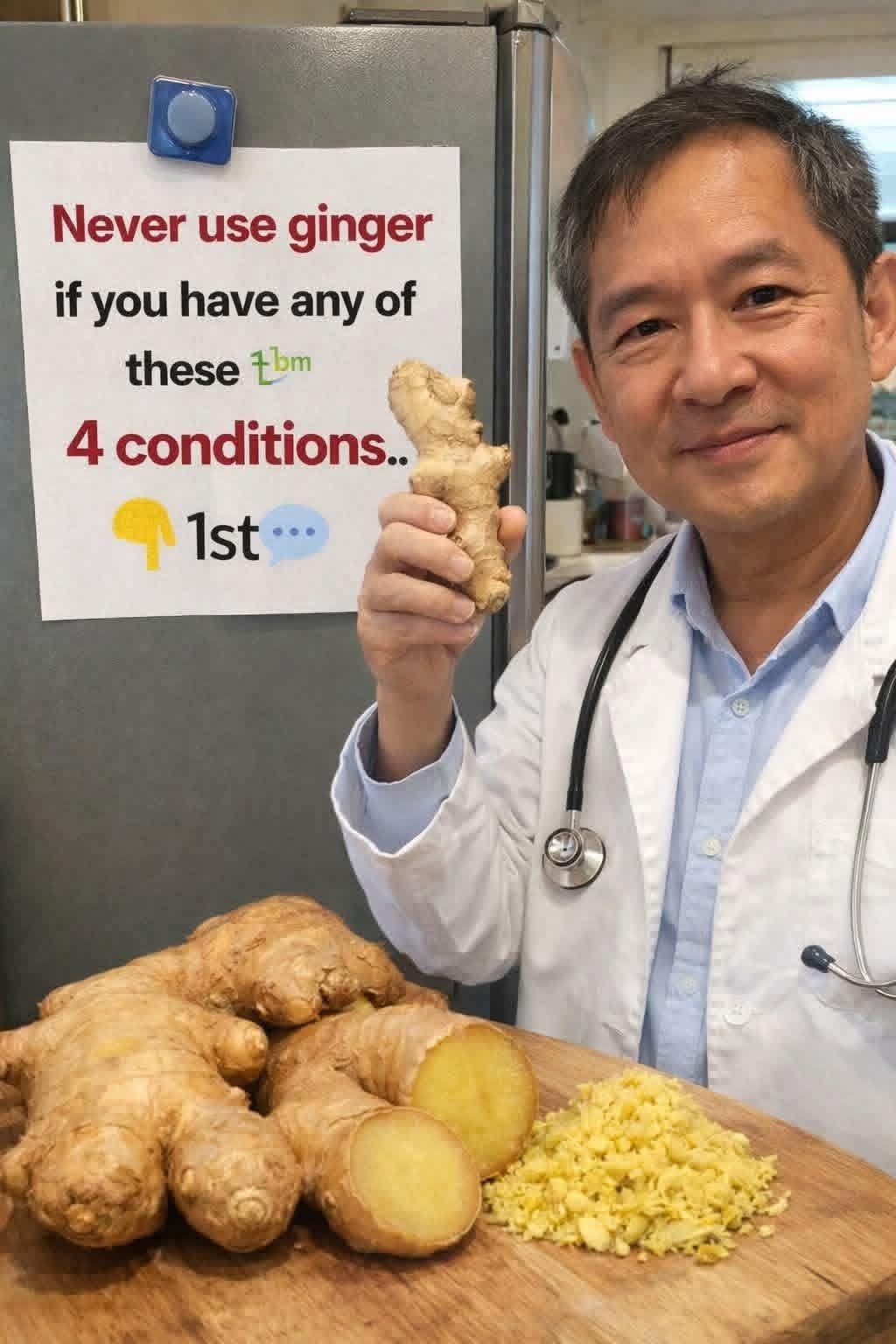
Four Situations Where Ginger Requires Extra Caution
1. Bleeding Disorders or Blood-Thinning Medications
Ginger may influence blood clotting. For individuals with bleeding disorders or those taking anticoagulants, high intake could increase bleeding risk. Medical resources like WebMD recommend consulting a healthcare provider before regular or high-dose use.
2. Gallstones or Gallbladder Problems
Ginger can stimulate bile production, which aids digestion for many people but may aggravate gallbladder conditions or gallstones. Anyone with a history of gallbladder issues should seek professional guidance before adding large amounts of ginger to their routine.

3. Diabetes and Blood Sugar Management
Some evidence suggests ginger can influence blood glucose levels. While moderate amounts may be safe, people using insulin or glucose-lowering medications should monitor their levels carefully and consult a doctor before consistent use.
4. Certain Heart Conditions or Blood Pressure Concerns
High doses of ginger may affect heart rate or blood pressure in sensitive individuals. Those with heart conditions or on cardiovascular medications should use caution and seek medical advice before taking concentrated ginger supplements.
How to Enjoy Ginger Safely
Start with small amounts: Try a few slices in tea or about 1–2 grams in meals.
Choose food forms first: Fresh or dried ginger in cooking is usually gentler than supplements.
Pay attention to your body: Mild heartburn or stomach upset may occur in some people.

Use moderation: Sip ginger tea slowly instead of consuming large quantities at once.
Pair with other ingredients: Lemon or honey can balance flavor while keeping intake reasonable.

Ginger Intake: Moderate vs. High Amounts
Moderate use (1–4 g/day): Generally well tolerated; may support digestion and everyday wellness.
High doses (>5 g/day or supplements): Higher chance of discomfort and potential interactions—best used under medical supervision.
Final Thoughts
Ginger can be a flavorful and beneficial addition to many diets when used thoughtfully. The key is moderation and awareness of your own health conditions or medications. By staying informed and consulting healthcare professionals when needed, you can enjoy ginger’s warmth and potential benefits safely.

Disclaimer
This article is for informational purposes only and does not replace professional medical advice. Always consult a qualified healthcare provider before making significant dietary or supplement changes, especially if you have existing medical conditions or take prescription medications.
I always drink blended ginger mixed with garlic nd lemon is it problem bcz i hve high blood pressure also nd ulcers