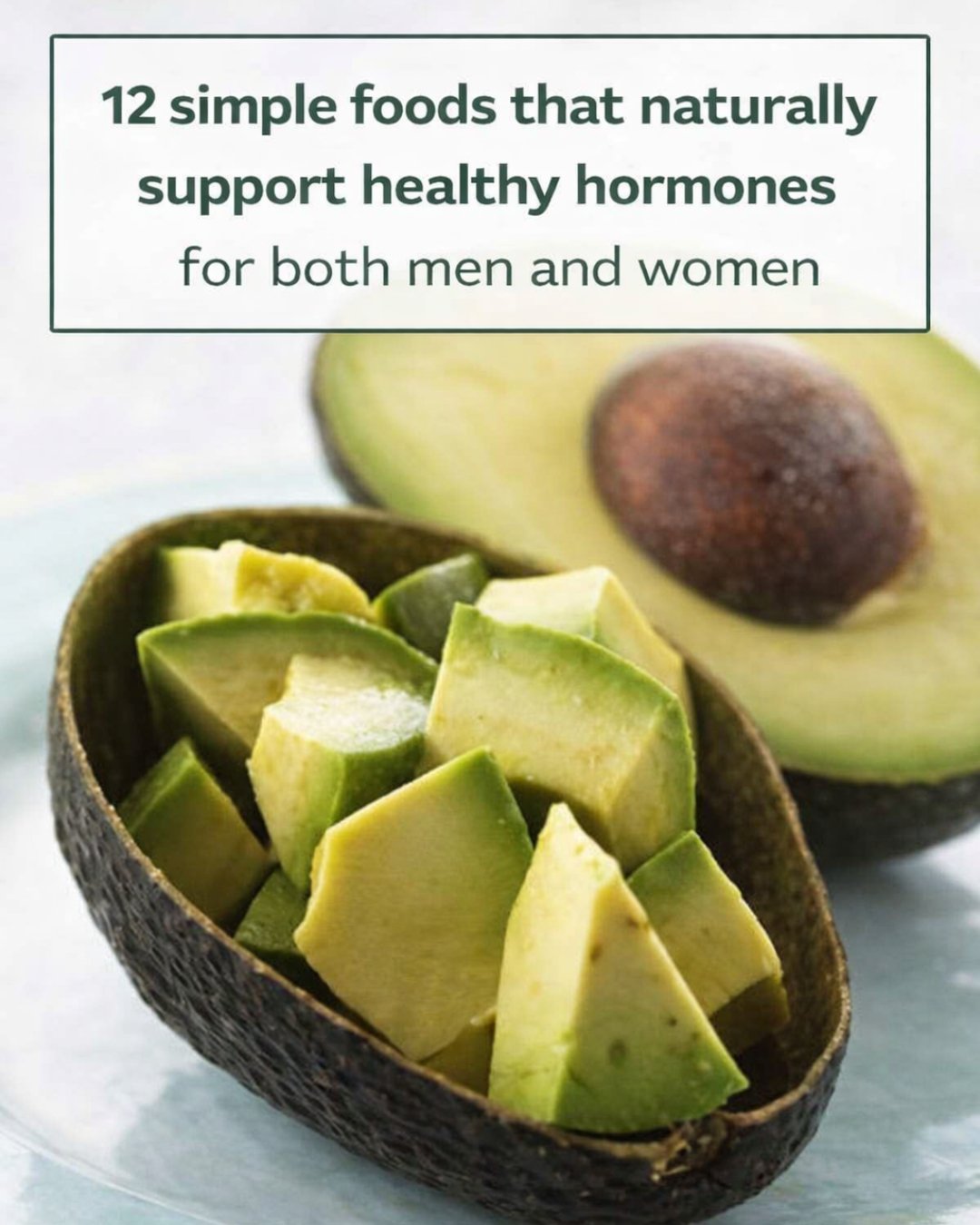
12 Simple Foods That Naturally Support Healthy Hormones (For Men and Women) — And How to Use Them
Hormones quietly control almost everything in your body: energy levels, mood, sleep, appetite, metabolism, skin, weight, and even how stressed or calm you feel. When hormones are balanced, you usually feel focused, energetic, and stable. When they’re not, symptoms like fatigue, weight gain, low libido, acne, poor sleep, or mood swings can show up.
The good news? You don’t need extreme diets or expensive supplements to support healthy hormones. Some of the most powerful hormone-friendly tools are simple, everyday foods.
In this article, you’ll discover 12 easy foods that naturally support hormone balance for both men and women, plus practical ways to use them in daily meals.
Note: This article is for general wellness and nutrition support, not medical treatment. If you have a medical condition, always check with a healthcare professional.
1. Eggs
Why they help:
Eggs are rich in high-quality protein, healthy fats, choline, and vitamin D—all essential for hormone production. Cholesterol (from whole eggs) is actually a building block for many hormones, including sex hormones and stress hormones.
Benefits:
Supports testosterone and estrogen production
Helps stabilize blood sugar (important for insulin balance)
Keeps you full longer, reducing cravings
How to use:
Eat whole eggs, not just egg whites
Try boiled eggs for breakfast, omelets with vegetables, or scrambled eggs with olive oil
Aim for 1–2 eggs per day if they fit your diet
2. Fatty Fish (Salmon, Sardines, Mackerel)
Why they help:
Fatty fish are packed with omega-3 fatty acids, which help reduce inflammation and support hormone signaling in the body. They’re also great for stress hormones and thyroid health.
Benefits:
Supports cortisol balance (stress hormone)
Helps improve insulin sensitivity
Supports reproductive and thyroid hormones
How to use:
Eat fatty fish 2–3 times per week
Grill, bake, or pan-sear with herbs and lemon
Add sardines to salads or salmon to rice bowls
3. Avocados
Why they help:
Avocados are rich in healthy monounsaturated fats, fiber, and potassium. Healthy fats are essential for making hormones and keeping them balanced.
Benefits:
Supports estrogen and testosterone production
Helps reduce inflammation
Supports blood sugar balance
How to use:
Add sliced avocado to toast, salads, or eggs
Blend into smoothies for creaminess
Use mashed avocado as a healthy spread or dip
4. Leafy Greens (Spinach, Kale, Swiss Chard)
Why they help:
Leafy greens are loaded with magnesium, fiber, and antioxidants, which help regulate stress hormones and support detox pathways that clear excess hormones from the body.
Benefits:

Supports cortisol (stress hormone) regulation
Helps the liver process excess hormones
Supports insulin sensitivity
How to use:
Add to smoothies, salads, or soups
Sauté lightly with garlic and olive oil
Aim for at least one serving daily
5. Berries (Blueberries, Strawberries, Raspberries)
Why they help:
Berries are rich in antioxidants and fiber, which help reduce inflammation and stabilize blood sugar—two key factors in hormone balance.
Benefits:
Supports insulin balance
Reduces oxidative stress that can disrupt hormones
Supports gut health (important for hormone regulation)
How to use:
Eat as a snack or add to yogurt and oatmeal
Blend into smoothies
Choose fresh or frozen without added sugar
6. Nuts (Especially Brazil Nuts and Almonds)
Why they help:
Nuts provide healthy fats, protein, and minerals like selenium and magnesium. Selenium (especially in Brazil nuts) is crucial for thyroid hormone function.
Benefits:
Supports thyroid hormones
Helps stabilize blood sugar
Supports sex hormone production
How to use:
Eat a small handful as a snack
Add to salads or oatmeal
Limit portions (nuts are calorie-dense)
7. Seeds (Flaxseeds, Chia Seeds, Pumpkin Seeds)
Why they help:
Seeds are rich in fiber, healthy fats, and important minerals like zinc. Flaxseeds also contain lignans, which can help balance estrogen levels.
Benefits:
Supports estrogen balance
Supports testosterone production (zinc from pumpkin seeds)
Improves digestion and hormone detox
How to use:
Add ground flax or chia to smoothies or yogurt
Sprinkle pumpkin seeds on salads or soups

Aim for 1–2 tablespoons per day

8. Olive Oil (Extra Virgin)
Why it helps:
Extra virgin olive oil is rich in healthy fats and antioxidants that support hormone production and reduce inflammation.
Benefits:
Supports testosterone and estrogen production
Helps reduce chronic inflammation
Supports heart and metabolic health
How to use:
Use as your main cooking oil at low to medium heat
Drizzle over salads and vegetables
Replace processed vegetable oils with olive oil
9. Cruciferous Vegetables (Broccoli, Cauliflower, Cabbage)
Why they help:
These vegetables contain compounds that support the body’s ability to detox excess hormones, especially estrogen.
Benefits:
Helps balance estrogen levels
Supports liver detox pathways
Supports overall metabolic health
How to use:
Steam, roast, or stir-fry
Add to soups, bowls, or salads
Aim for several servings per week
10. Greek Yogurt (Or Fermented Foods)
Why it helps:
Gut health plays a huge role in hormone balance. Fermented foods provide probiotics that support digestion and hormone metabolism.
Benefits:
Supports gut bacteria that regulate hormones
Helps improve insulin sensitivity
Supports immune and digestive health
How to use:
Eat plain, unsweetened Greek yogurt
Add berries or seeds for extra benefits
Other options: kefir, sauerkraut, kimchi
11. Oats
Why they help:
Oats are rich in fiber, especially beta-glucan, which helps stabilize blood sugar and support healthy insulin levels.
Benefits:
Supports insulin balance
Helps control appetite and cravings
Supports stable energy and mood

How to use:
Eat oatmeal for breakfast
Add nuts, seeds, and berries
Choose whole oats, not sugary instant versions
12. Beans and Lentils
Why they help:
Legumes are rich in plant protein, fiber, and minerals that help regulate blood sugar and support hormone balance.
Benefits:
Supports insulin and blood sugar control
Helps with weight management
Supports gut and metabolic health
How to use:
Add to soups, salads, or rice dishes
Use lentils as a protein source in meals
Aim for a few servings per week
How to Combine These Foods for Better Hormone Balance
You don’t need to eat all 12 every day. The key is consistency and variety. A simple hormone-friendly day could look like this:
Breakfast: Oatmeal with berries, seeds, and Greek yogurt
Lunch: Salad with leafy greens, salmon, olive oil, and pumpkin seeds
Snack: A handful of nuts and a piece of fruit
Dinner: Eggs or lentils with broccoli and avocado
This kind of eating pattern supports:
Stable blood sugar
Healthy fat intake for hormone production
Good digestion and hormone detox
Lower inflammation and stress on the body
Final Thoughts
Hormone balance isn’t about perfection—it’s about giving your body the right building blocks, day after day. These 12 simple, natural foods support hormones in both men and women by:
Providing healthy fats for hormone production
Stabilizing blood sugar and insulin
Supporting gut and liver health
Reducing inflammation and stress on the body
Start small. Add a few of these foods to your meals this week, and build from there. Over time, your energy, mood, and overall well-being can improve in a very real, very noticeable way.