Is Sleeping on Your Right Side Bad for You? What Science Says About Sleep Position and Health
Sleep is one of the most important pillars of overall health—but the position you choose each night may influence your comfort, digestion, and even circulation. While many people naturally prefer sleeping on their right side, some research suggests that this habit could have certain downsides for specific individuals. From digestive discomfort to muscle strain, your sleep posture might be affecting your rest more than you realize.
In this article, we’ll explore how right-side sleeping can impact your body, including its effects on digestion, the heart, circulation, and muscles—along with practical tips to help you sleep more comfortably.
Does Sleeping on the Right Side Increase Acid Reflux?
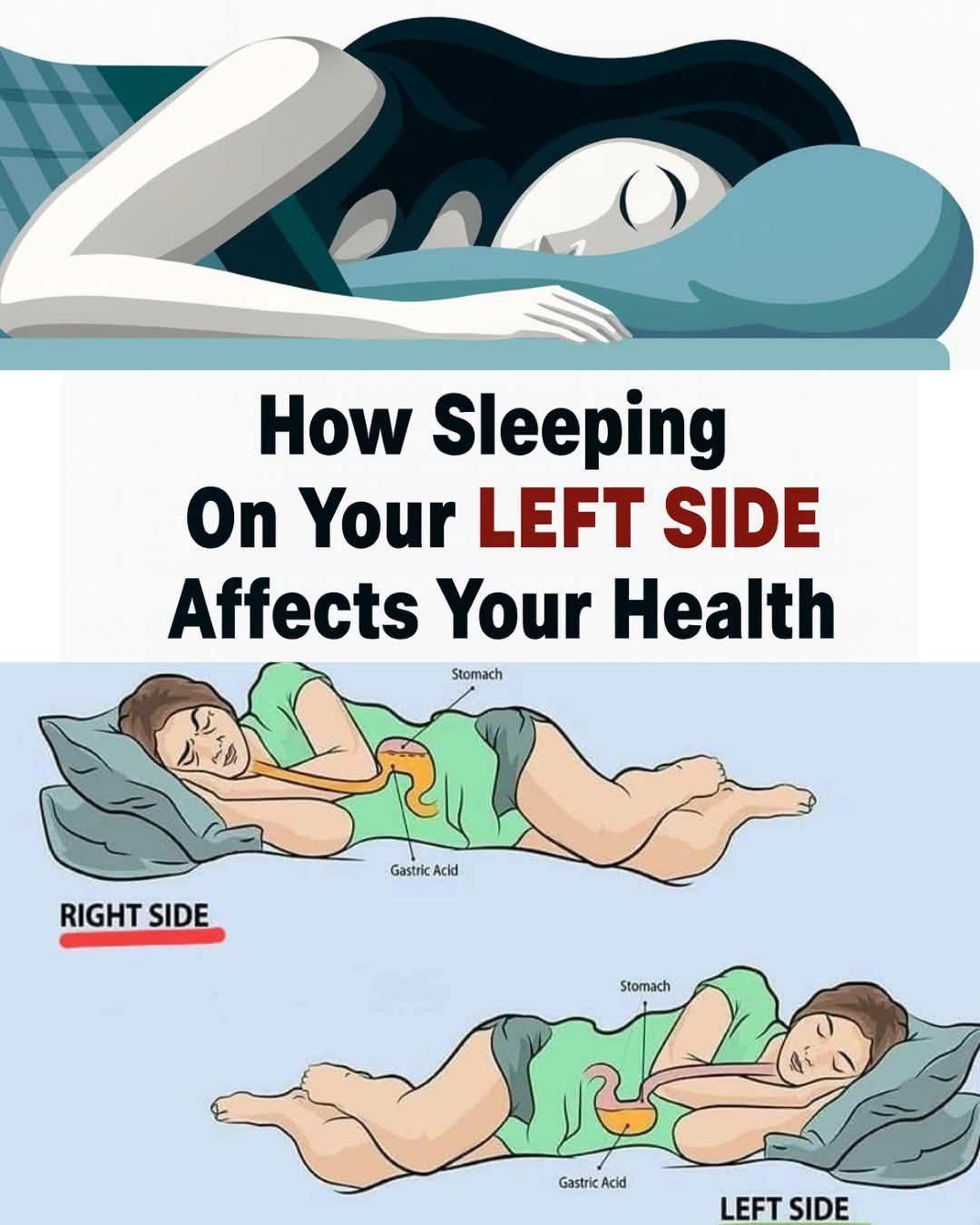
One of the most commonly discussed concerns about right-side sleeping is its possible connection to acid reflux. When you lie on your right side, the stomach may sit in a position that allows gastric acid to move more easily toward the esophagus. This can lead to symptoms like heartburn, discomfort, and interrupted sleep.
People who struggle with frequent acid reflux, chronic heartburn, or digestive sensitivity may notice worsened symptoms when sleeping this way. By comparison, resting on the left side may help keep the stomach positioned lower than the esophagus, potentially reducing acid backflow.
Tips to Reduce Nighttime Acidity
Elevate your head slightly using a supportive pillow
Avoid heavy meals close to bedtime

Consider left-side sleeping if you experience nighttime reflux

Effects on the Heart and Circulation
Sleep posture can also influence circulation and cardiovascular comfort. Some individuals—particularly those with existing heart or blood pressure concerns—report discomfort when sleeping on their right side. Although healthy people may not notice major differences, certain conditions can make this position feel less supportive.
Additionally, circulation and lymphatic flow play important roles during sleep, helping the body transport nutrients and remove waste. Poor circulation overnight may contribute to symptoms like limb heaviness, mild swelling, or stiffness in the morning.
Ways to Support Circulation During Sleep
Use a mattress that supports natural spinal alignment
Keep pillows positioned to maintain comfortable posture
Avoid remaining in one position for the entire night

Muscle Strain and Joint Discomfort
Sleeping on one side consistently can place pressure on specific muscles and joints. People who favor their right side often wake up with shoulder stiffness, tingling in the arms due to nerve compression, or discomfort in the hips and lower back.
Over time, uneven weight distribution during sleep may contribute to chronic aches—especially if pillows or mattresses lack proper support.
Tips to Reduce Musculoskeletal Discomfort
Use a supportive pillow to keep your neck aligned
Place a cushion between your knees to reduce hip pressure
Alternate sides periodically to balance strain
Which Sleep Position Is Best?
There isn’t one perfect sleep position for everyone. However, many healthcare professionals suggest left-side sleeping for individuals with digestive or circulation issues. Back sleeping with slight elevation may also be comfortable for some, although it can increase snoring or worsen sleep apnea in certain cases.

Ultimately, the best position is the one that allows you to sleep deeply while minimizing discomfort and long-term strain.
Final Thoughts
Sleeping on your right side isn’t necessarily harmful for everyone—but it may contribute to issues like acid reflux, circulation discomfort, or muscle strain for some individuals. Paying attention to how your body feels in different positions can help you discover what works best for you.
If you often wake up with heartburn, stiffness, or poor sleep quality, small adjustments—such as trying a different side or improving pillow support—can make a noticeable difference. Sometimes, a simple change in posture is all it takes to turn restless nights into truly restorative sleep.