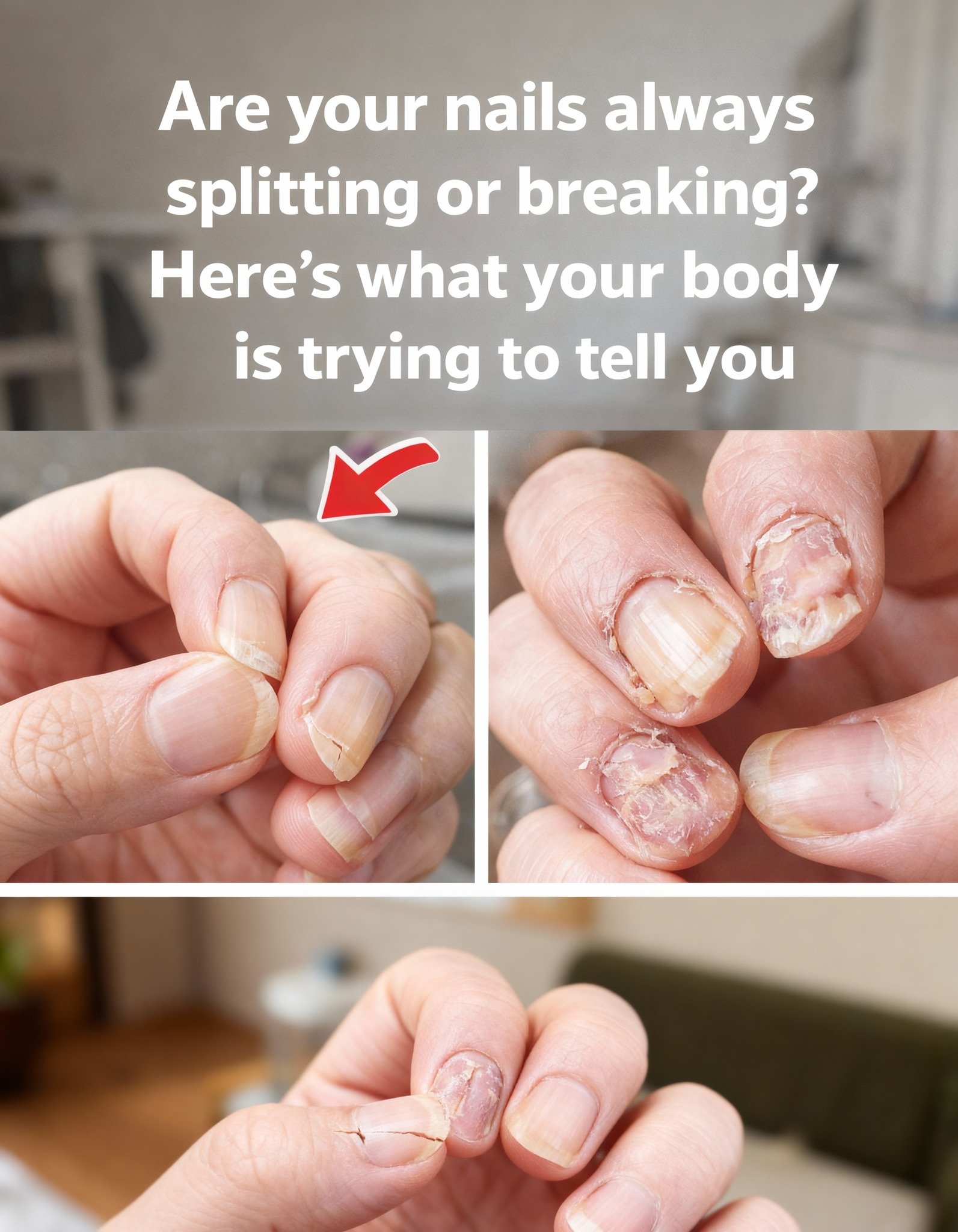
Picture this: You’re grabbing your phone, and another nail edge catches and splits. Or you’re simply typing an email, and a layer peels away like thin paper. These frustrating moments happen far too often, making everyday tasks feel annoying and leaving your hands looking neglected. Brittle, splitting nails don’t just affect appearance—they chip away at confidence and remind you constantly of something that’s not quite right. The constant cycle of breakage can feel endless, especially when nothing seems to help. But here’s the encouraging part: most cases stem from manageable factors, and small adjustments can lead to noticeably stronger nails. Stick around, because toward the end, you’ll discover a simple daily ritual that many people overlook but can make a real difference in resilience.
Why Do Nails Become Brittle and Prone to Splitting?
Brittle nails, known medically as onychoschizia, involve horizontal splitting, peeling layers, or easy breakage at the tips. Research shows this affects up to 20% of people, with higher rates among women over 50. The nail plate, primarily made of keratin protein, loses flexibility and moisture balance, leading to fragility.
But that’s not the full story… Everyday habits often play the biggest role.
Everyday Habits That Weaken Nails
Frequent handwashing or exposure to water strips natural oils from nails. Think about daily routines: dishwashing, laundry, or constant sanitizing. Repeated wetting and drying creates expansion and contraction cycles that weaken the structure over time.
Cold, dry air or harsh chemicals in cleaners, detergents, and acetone-based removers compound the issue. Even if you wear gloves occasionally, the cumulative effect builds up. But here’s something interesting: protecting against these triggers is one of the quickest ways to see improvement.
Aging and Lifestyle Factors
As we age, nail growth slows, and they naturally become thinner and less flexible. Longer nails or frequent use of gels, acrylics, and extensions add mechanical stress. You might notice more ridges or a general fragility that wasn’t there before.
Lifestyle elements like nail biting or picking can create micro-trauma. The good news? These are often reversible with mindful changes.
Nutritional Clues Hidden in Your Nails
Nails reflect nutritional status because they require steady nutrient supply for strong keratin formation. Deficiencies can manifest as increased brittleness.

Iron and Potential Anemia
Low iron levels are linked to fragile nails, sometimes with a spoon-shaped appearance. Studies associate iron deficiency with nail changes, particularly in women. If accompanied by fatigue, it may be worth exploring further with a healthcare provider.
Biotin and B Vitamins
Biotin (vitamin B7) supports keratin infrastructure. Some small studies suggest daily biotin supplementation (around 2.5 mg) can increase nail thickness and firmness in people with brittle nails, though evidence varies and not everyone responds the same way.
Other Key Nutrients
Zinc, protein, and omega-3 fatty acids contribute to nail integrity. A varied diet helps fill these gaps naturally.
But wait… Should you rush to supplements? Not necessarily—excess intake can cause issues, so professional guidance is key.
Underlying Health Conditions to Consider
While less common, brittle nails can signal systemic factors. Research connects them to certain conditions, though external causes remain more typical.
Thyroid Issues
Hypothyroidism (underactive thyroid) often leads to dry, brittle nails alongside fatigue, weight changes, or feeling cold. Addressing thyroid health may help nails improve.
Anemia and Circulation Concerns
Iron deficiency anemia or conditions like Raynaud’s (reduced blood flow to fingers) can contribute to fragility.
Other possibilities include skin conditions like psoriasis or eczema, fungal infections, or side effects from certain medications. Most cases, however, tie back to moisture imbalance or habits rather than serious issues.
Real Stories: How Others Turned It Around
Consider Lisa, 58, who dealt with constant splitting from frequent dishwashing without gloves and heavy acetone use. After consistent glove-wearing and daily moisturizing, her nails became noticeably tougher within months—no more painful catches.

Then there’s Mark, 62, whose brittleness came with low energy. Tests showed low iron; once addressed through diet and guidance, his nails strengthened alongside his vitality.
These examples show how targeted tweaks often yield big results.
Practical Steps to Strengthen Your Nails
Ready for change? Here are actionable habits most people can start today.
- Protect from Water and Chemicals
Wear cotton-lined rubber gloves during chores. Pat hands dry thoroughly after any water contact. - Moisturize Religiously
Apply hand lotion or cuticle oil after washing and before bed. Look for ingredients like lanolin or vitamin E to lock in hydration. - Adopt a Gentle Care Routine
Trim nails short and straight across, then gently file edges in one direction. Skip aggressive buffing or picking. - Nourish from the Inside
Prioritize protein (eggs, lean meats, beans), leafy greens for iron, and nuts for zinc. Stay well-hydrated throughout the day.
Here’s a quick comparison of common approaches:
| Approach | How It Helps | Practical Tips |
|---|---|---|
| Protective Gloves | Prevents repeated moisture loss | Use for dishes, cleaning; choose cotton-lined |
| Moisturizing Oils/Lotions | Restores hydration and flexibility | Apply morning/night and after handwashing |
| Balanced Diet | Supplies building blocks for keratin | Include iron-rich foods, proteins, omega-3s |
| Supplements (e.g., Biotin) | May support strength in some cases | Consult a doctor before starting |
And for immediate starting steps:
- Daily Moisturizing — Massage oil into nails and cuticles after every hand wash. (Test for allergies first.)
- Glove Use — Keep a pair handy for wet tasks. Replace when worn.
- Nail Trimming — Clip straight across; smooth rough spots gently.
- Hydration Check — Aim for consistent water intake and monitor improvements.
When to Seek Professional Help
If these changes don’t bring improvement after 3–6 months, or if you notice pain, unusual discoloration, swelling, or other symptoms like persistent fatigue, consult a healthcare provider. They can assess for deficiencies, thyroid function, or other factors.
Don’t overlook combined signs like hair thinning or skin changes—they offer important context.
Take Charge of Your Nail Health Today
Stronger, more resilient nails are achievable for most people. Imagine tackling daily tasks without snags, enjoying longer-lasting manicures, or simply feeling proud of your hands again. Begin with protection, consistent moisture, and supportive nutrition—these small habits compound into visible progress.
P.S. Next time you wash your hands, take an extra 10 seconds to pat dry and apply moisturizer. It’s a tiny habit that could transform your nail health over time.

Frequently Asked Questions
What vitamin deficiency causes brittle nails?
Iron deficiency is commonly linked, along with possible low levels of biotin, zinc, or protein. A balanced diet helps, but testing confirms specifics.
Can thyroid problems make nails brittle?
Yes, hypothyroidism often leads to dry, brittle nails. If accompanied by fatigue or other symptoms, professional evaluation is recommended.
How long does it take to strengthen brittle nails?
Improvements from habits like moisturizing and protection can appear in weeks to months, depending on the cause and consistency.
This article is for informational purposes only and is not a substitute for professional medical advice. Please consult your healthcare provider for personalized guidance.