
What Every Pregnant Woman Should Know About Crowning
Pregnancy is a journey filled with excitement, anticipation, and many questions—especially when it comes to labor and delivery. One of the most talked-about (and often misunderstood) moments of childbirth is crowning. Knowing what crowning is and what to expect can ease fear, build confidence, and help you feel more prepared for the big day.
Let’s break it down in a simple, honest, and reassuring way.
What Is Crowning?
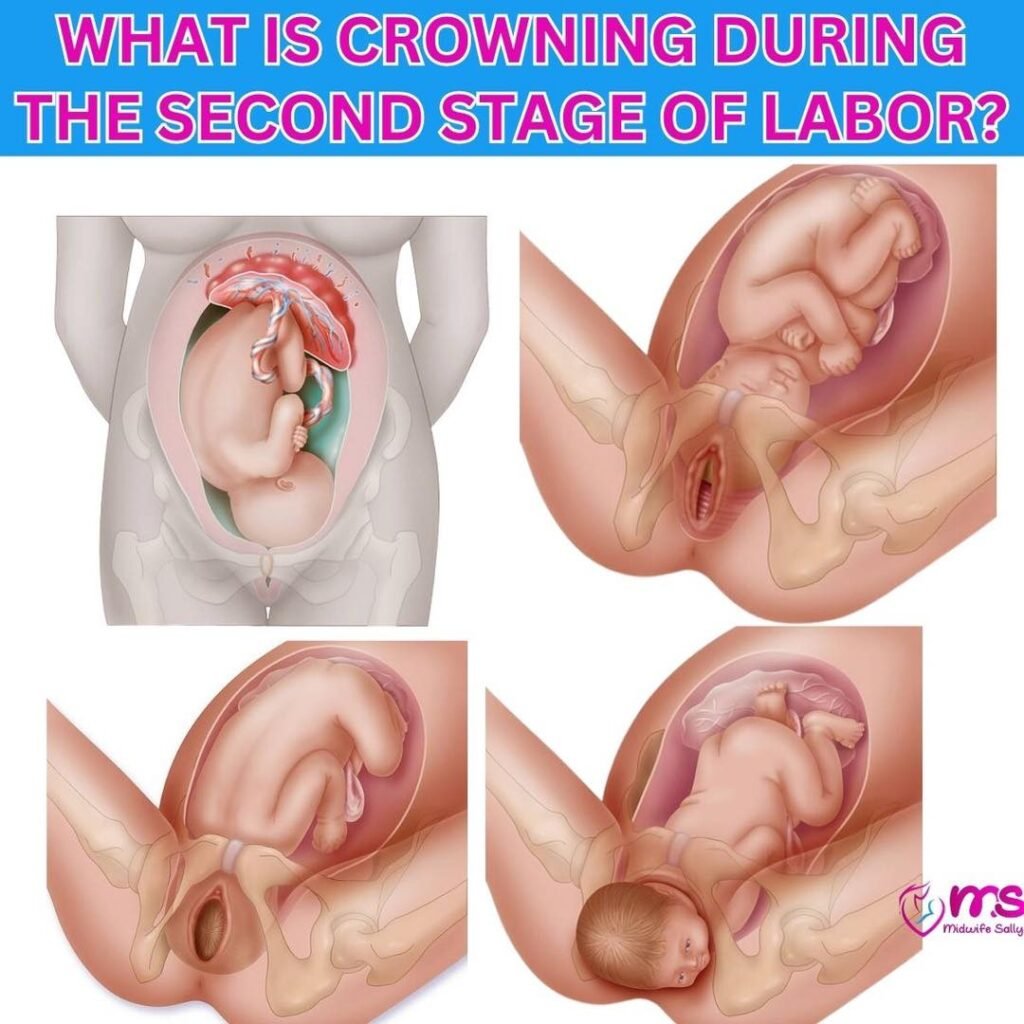
Crowning occurs during the second stage of labor, when the baby’s head becomes visible at the vaginal opening and stays there between contractions instead of moving back inside.
This is a powerful sign that:
Your body is doing exactly what it should
Your baby is very close to being born
You are in the final moments of labor
At this stage, birth is no longer hours away—it’s usually minutes.
When Does Crowning Happen?
Labor has three main stages:
First Stage – Cervix dilates from 0 to 10 cm
Second Stage – Pushing and delivery of the baby
Third Stage – Delivery of the placenta
Crowning happens near the end of the second stage, after:
The cervix is fully dilated
The baby has descended through the birth canal
You’ve been pushing effectively


What Does Crowning Feel Like?
Every woman experiences crowning differently, but common sensations include:
Strong pressure in the vaginal and rectal area
A burning or stretching sensation, often called the “ring of fire”
An intense urge to push
A feeling of fullness or stretching
Although it can feel intense, crowning is usually brief, and many women say knowing the baby is almost here helps them push through it.
Why Does Crowning Burn?
The burning sensation happens because:
The vaginal tissues are stretching to accommodate the baby’s head
Blood flow increases to the area
Nerves are highly stimulated
This stretching is normal and temporary. Your body is designed for this moment.
How Long Does Crowning Last?
Crowning can last:
A few seconds
Several minutes
Occasionally longer, depending on:
Baby’s size and position
Whether it’s your first birth
How slowly the tissues stretch

Healthcare providers often encourage slow, controlled pushing at this stage to reduce tearing.
Can Crowning Cause Tearing?
Tearing can happen, but it’s not guaranteed.
Factors that reduce tearing:
Slow, controlled pushing
Warm compresses on the perineum
Listening carefully to your midwife or doctor
Perineal massage during pregnancy
Minor tears heal well, and many women don’t tear at all.
What Happens Right After Crowning?
Once the baby’s head is out:
The shoulders usually follow with the next contraction
The rest of the body slips out quickly
You’ll finally meet your baby


This moment is often described as empowering, emotional, and unforgettable.
Tips to Prepare for Crowning
Here’s how you can prepare your mind and body:
During Pregnancy:
Practice perineal massage (from week 34 onward)
Stay active (walking, prenatal yoga)
Learn breathing and relaxation techniques

During Labor:
Follow your provider’s guidance
Avoid pushing too hard or too fast
Focus on slow breathing
Trust your body’s instincts
Emotional Side of Crowning
Crowning isn’t just physical—it’s emotional.
Many women feel:
Relief that labor is ending
Fear mixed with excitement
A surge of strength they didn’t know they had
All these feelings are normal. You are not weak—you are powerful.
Final Thoughts
Crowning is a natural, normal, and meaningful part of childbirth. While it can be intense, it’s also a sign that your baby is moments away from being in your arms.
Knowledge reduces fear. Preparation builds confidence. And trust in your body makes all the difference.
You were made for this moment. 
Disclaimer
This article is for educational purposes only and does not replace professional medical advice. Always consult your healthcare provider for guidance specific to your pregnancy.
