
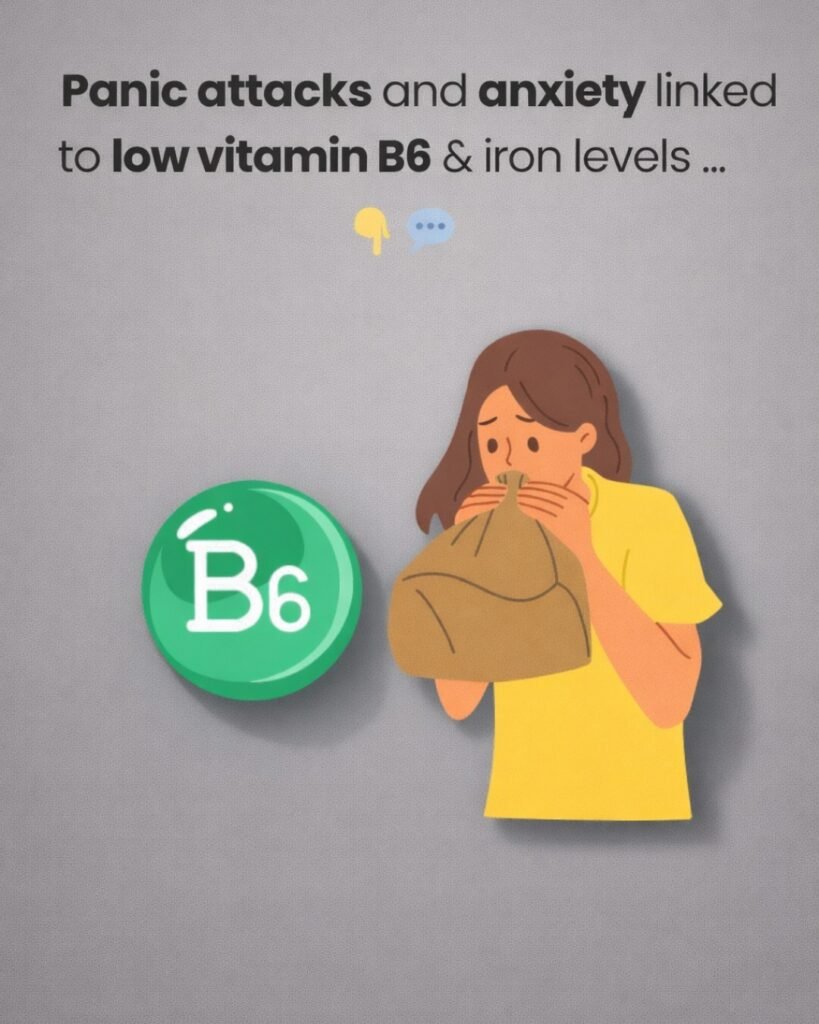
Anxiety disorders affect millions, making everyday moments feel overwhelming with sudden waves of fear, racing heart, shortness of breath, and that terrifying sense of losing control. For many, these experiences—especially panic attacks—come without warning, leaving you drained, worried about the next episode, and searching for ways to feel more stable. Research has explored how nutrition might influence these challenges, particularly through nutrients involved in brain chemistry and oxygen delivery.
What if supporting your intake of key nutrients like vitamin B6 and iron could be part of feeling more balanced? Studies suggest connections worth understanding, and we’ll explore them here—plus practical ways to include supportive foods in your routine.
Understanding Anxiety and Panic Attacks
Anxiety is one of the most common mental health concerns, impacting around 19% of adults in the U.S. at some point. Panic attacks, a specific type of anxiety episode, can strike suddenly with intense physical symptoms like palpitations, chest discomfort, dizziness, sweating, trembling, and difficulty breathing—even when there’s no immediate danger.
These symptoms arise from a mix of factors: genetics, life stress, brain chemistry, and more. Serotonin, often called the “feel-good” neurotransmitter, helps regulate mood, calm the nervous system, and promote a sense of well-being. When serotonin pathways aren’t functioning optimally, it can contribute to heightened anxiety or panic responses.
The Surprising Link to Nutrition
Research has looked at how certain nutrients support serotonin production. Tryptophan, an amino acid from food, serves as the building block for serotonin. But converting it effectively requires cofactors—vitamin B6 and iron play key roles here.
A notable study from Okayama University Graduate School of Medicine examined people presenting at an emergency department with panic attacks and hyperventilation. They found significantly lower serum levels of vitamin B6 and iron in those individuals compared to healthy volunteers. No similar differences appeared for other B vitamins like B2 or B12. The researchers noted that these nutrients act as cofactors in serotonin synthesis, suggesting low levels might contribute to the processes involved in these episodes.

But that’s not the full picture—low iron can also affect oxygen transport in the blood via hemoglobin, potentially worsening feelings of fatigue or breathlessness that overlap with anxiety symptoms. While more research is needed to clarify exact mechanisms, these findings highlight how nutrition fits into the broader mental health conversation.
Why Vitamin B6 Matters for Mood Support

Vitamin B6 (pyridoxine) is essential for over 100 enzyme reactions, including those that help produce neurotransmitters like serotonin and GABA (which promotes calm). Without enough B6, the conversion from tryptophan to serotonin may not happen smoothly.
Research, including observational studies, has associated higher vitamin B6 intake with better mood outcomes in some groups, particularly women. It’s water-soluble, so regular intake from food is ideal.
The Role of Iron in Feeling Your Best
Iron is vital for making hemoglobin, which carries oxygen to every cell—including your brain. Low iron levels can lead to reduced energy and shortness of breath, symptoms that sometimes mimic or worsen anxiety experiences.
In the Okayama study, iron deficiency appeared alongside B6 shortfalls in those with panic symptoms. Combining these insights shows how intertwined nutrition and emotional well-being can be.
Foods to Help Boost Your Nutrient Intake

Nature offers plenty of delicious options rich in tryptophan, vitamin B6, iron—or often a combination. Focusing on whole foods can support overall nutrition without overcomplicating things.
Top sources of tryptophan (building block for serotonin):

- Turkey and poultry
- Eggs
- Fish and shellfish
- Cheese
- Pumpkin seeds and chia seeds
- Spinach and leafy greens
- Quinoa and oats
- Nuts like pistachios and walnuts
- Pineapple and bananas
Foods high in vitamin B6:
- Chickpeas and lentils
- Salmon and tuna
- Bananas
- Potatoes (especially with skin)
- Avocado
- Sunflower seeds
- Poultry and lean meats
- Spinach
- Fortified cereals (check labels)
Iron-rich choices (pair with vitamin C sources like bell peppers or citrus for better absorption):
- Lentils and beans
- Spinach and kale
- Red meat (in moderation)
- Quinoa
- Dried apricots and raisins
- Pumpkin seeds
- Dark leafy greens
- Fortified oats
Many foods overlap—like spinach (tryptophan, B6, iron), quinoa (all three), and poultry (tryptophan and B6). Aim for variety to cover your bases naturally.
Simple Steps to Incorporate These Nutrients Daily
Here’s an easy, actionable plan to get started:
- Start your day strong — Add spinach or kale to eggs or a smoothie for a triple-nutrient boost.
- Snack smart — Grab a handful of pumpkin seeds or pistachios mid-morning—they deliver tryptophan, B6, and iron.
- Build balanced meals — Include lean protein (chicken or fish), veggies (broccoli or sweet potatoes), and whole grains (quinoa) at lunch and dinner.
- Add iron enhancers — Squeeze lemon on salads or pair beans with tomatoes to improve absorption.
- Track gently — Notice how consistent nutrient-dense eating affects your energy and mood over a few weeks.
Small, sustainable changes often make the biggest difference.
What This Means for You
While diet is just one piece of the puzzle—alongside stress management, sleep, exercise, and professional support—it’s something you can influence every day. Supporting your intake of vitamin B6 and iron through food may contribute to better overall well-being and resilience against anxiety triggers.

Everyone’s needs differ, so paying attention to how your body responds is key.
FAQ
Can low vitamin B6 or iron cause anxiety or panic attacks?
Research, including a study from Okayama University, has observed lower levels of these nutrients in people experiencing panic attacks and hyperventilation, suggesting a possible association through their roles in serotonin production and oxygen transport.
What are the best food sources for vitamin B6 and iron together?
Foods like spinach, lentils, quinoa, poultry, and pumpkin seeds provide good amounts of both—plus tryptophan—making them efficient choices for supporting nutrient needs.
Should I take supplements for vitamin B6 or iron if I have anxiety?
It’s best to focus on food sources first and consult a healthcare provider before starting supplements, as they can check levels and ensure safety based on your individual health.
Important Disclaimer: This article is for informational purposes only and not intended as medical advice. Anxiety and panic attacks can have many causes—always consult a qualified healthcare professional for personalized guidance, diagnosis, or treatment. Nutrient levels should be assessed through proper testing if concerns arise.
