
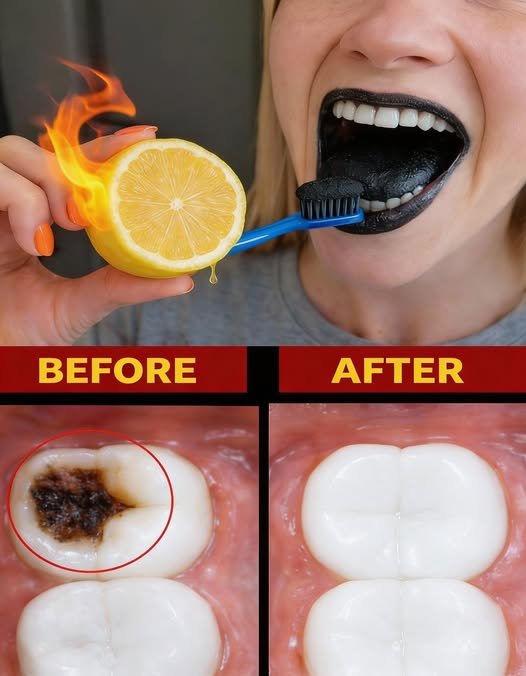
That sharp twinge when you bite into something sweet or sip your morning coffee can signal the start of dental trouble, like cavities or enamel wear that builds up over time. By middle age, most adults have dealt with at least one cavity, leading to expensive treatments, discomfort, and sometimes even tooth loss if ignored. The fear of the dentist’s drill keeps many people delaying care, while everyday habits like staining drinks make the problem worse. But what if common kitchen items like activated charcoal and lemon could offer gentle support for your oral routine? While they spark interest as natural options, the real story involves potential upsides and important cautions—keep reading to see what science actually says and how to approach this safely.

The Dental Struggles Many Face Daily
Cavities and staining don’t announce themselves loudly at first. You might notice sensitivity, a faint dark spot, or just a general dullness to your smile. These issues affect a huge portion of the population, with costs adding up quickly in time and money. Untreated problems can escalate to infections or more serious concerns.
Many turn to natural remedies hoping for an easy fix at home. Activated charcoal and lemon have gained attention online for claims around brighter smiles and fresher breath. But do they deliver, or could they do more harm than good? Let’s look at the evidence.

Why People Are Talking About Charcoal and Lemon for Oral Care
Activated charcoal, made from heated natural materials like coconut shells, acts like a magnet for certain particles due to its porous structure. Lemon brings citric acid and vitamin C. Together, they’ve been touted in DIY routines for potential oral benefits.
Research on these specifically combined is limited, but studies on each separately provide clues. Organizations like the American Dental Association note a lack of strong proof for many natural whitening claims, emphasizing safety first.
Here are some commonly discussed potential perks, based on available research—always with caveats.
7 Potential Ways Charcoal and Lemon Might Support Oral Health (With Realistic Expectations)
7. Surface Stain Removal for a Brighter Appearance
Activated charcoal’s abrasiveness may help lift extrinsic (surface) stains from coffee, tea, or smoking. Some lab studies suggest mild whitening effects from charcoal-based products. Lemon’s acid could theoretically aid in breaking down stains, but evidence is weak.
A 2017 review noted possible short-term improvements in discoloration with charcoal toothpaste, but results vary widely.

6. Possible Support for Gum Comfort
Vitamin C in lemon plays a role in tissue health and repair, with reviews linking it to better gum condition when consumed properly. Charcoal might reduce some plaque buildup through absorption.
A 2019 analysis highlighted vitamin C’s contribution to gum tissue strength, though direct oral application needs caution.
5. Helping with Fresher Breath
Charcoal can bind to odor-causing compounds or bacteria in the mouth. Lemon adds a natural citrus scent. Limited studies, including one from 2020, indicate charcoal may lower certain oral bacteria levels temporarily.
4. Ideas Around Enamel Protection
Some suggest charcoal neutralizes acids, while lemon’s minerals (in theory) aid remineralization. However, most evidence shows the opposite risk—more on that below. Studies on natural compounds sometimes point to supportive effects, but not reliably for these ingredients.

3. Gentle Plaque Reduction
Charcoal’s texture might scrub away soft plaque. Lemon has some antibacterial traits in lab settings. A 2019 review supported charcoal’s potential in reducing plaque, but real-world results depend on use.
2. Natural “Detox” Feel for the Mouth
Charcoal is famous for adsorbing impurities (like in filters). In oral care, it might trap everyday residues. A 2021 study touched on detox-like effects in certain contexts, but oral benefits remain unproven.
1. Adding Variety to Your Daily Routine
Exploring natural additions can make oral care feel more empowering and consistent. Many find motivation in trying gentle options alongside proven habits like brushing twice daily with fluoride toothpaste.
But here’s the important part: while these ideas intrigue, scientific consensus leans toward caution.


Key Risks You Need to Know
Studies repeatedly highlight concerns:
- High Abrasiveness of Charcoal — Systematic reviews (including 2023 analyses) show activated charcoal products often have greater abrasive potential than standard toothpastes. This can roughen enamel surfaces, increase wear, and lead to sensitivity or yellowing over time as dentin shows through.
- Lemon’s Acidity — Citric acid erodes enamel. Multiple studies (including in vitro research on acidic beverages) demonstrate lemon juice softens and thins enamel, raising risks for decay and sensitivity.
- Limited Evidence Overall — The American Dental Association and reviews in journals like the Journal of the American Dental Association state there’s insufficient proof that charcoal-based products are safe or effective long-term for whitening or other benefits. No ADA Seal for charcoal products.
- Other Issues — Charcoal may lack fluoride (key for cavity protection) and could irritate gums or leave residue.
In short, what starts as a “natural boost” might backfire with frequent use.
Safe Ways to Explore Charcoal and Lemon (If You Choose To)
If you’re curious, prioritize safety and moderation. Always consult your dentist first, especially with existing dental work or sensitivity.
Here’s a simple, cautious guide:
- Use food-grade activated charcoal powder (not grilling charcoal).
- Dilute heavily — Lemon is too acidic undiluted.
- Limit frequency — 1-2 times per week max, never daily.
Quick Comparison Table: Charcoal vs. Lemon Properties
| Ingredient | Key Property | Potential Upside | Main Concern |
|---|---|---|---|
| Activated Charcoal | Highly absorbent, gritty | May bind stains/bacteria | Very abrasive to enamel |
| Lemon Juice | Citric acid, vitamin C | Fresh scent, some antibacterial | Erodes enamel quickly |
Step-by-Step Safe Trial (Use Sparingly)
- Charcoal Rinse: Mix ½ teaspoon food-grade activated charcoal with water to form a paste or thin liquid. Swish gently for 30 seconds, then rinse thoroughly. Brush normally afterward with fluoride toothpaste.
- Diluted Lemon Rinse: Squeeze ½ teaspoon fresh lemon juice into 4-6 oz water. Swish briefly (10-15 seconds), spit, and rinse with plain water right away.
- Combine Carefully (Optional): Mix a tiny amount of diluted lemon with charcoal for a rinse—but test separately first.
- Follow Up: Always end with regular brushing using fluoride toothpaste. Wait 30 minutes after acidic exposure before brushing to avoid further enamel wear.
- Monitor: Stop immediately if sensitivity increases. See your dentist regularly.
These aren’t replacements for professional care or proven routines.

Wrapping It Up: A Balanced Smile Starts with Smart Choices
Activated charcoal and lemon intrigue as natural allies for oral health, potentially offering mild stain removal or freshness in limited use. But evidence shows risks like enamel damage often outweigh unproven perks. Stick mostly to fluoride toothpaste, daily brushing/flossing, and professional cleanings for reliable results. Small, safe experiments might feel good, but your long-term dental health deserves evidence-based protection.
FAQ
Is activated charcoal safe for daily teeth whitening?
No—most dental experts and reviews advise against daily use due to its abrasiveness, which can harm enamel over time. Occasional, careful use might be tolerable for some, but fluoride products are safer for routine whitening.
Can lemon juice whiten teeth effectively?
Lemon may lighten surface stains short-term due to acid, but it erodes enamel quickly, leading to more problems like sensitivity and yellowing. Dilution and rarity are key if trying it.
Should I replace my regular toothpaste with charcoal?
Not recommended. Charcoal options often lack fluoride and carry higher abrasion risks. Use ADA-accepted fluoride toothpaste as your base for cavity protection and overall oral health.
This article is for informational purposes only and does not replace professional dental advice. Always consult your dentist before trying new oral care methods, especially if you have sensitive teeth, restorations, or existing conditions.
