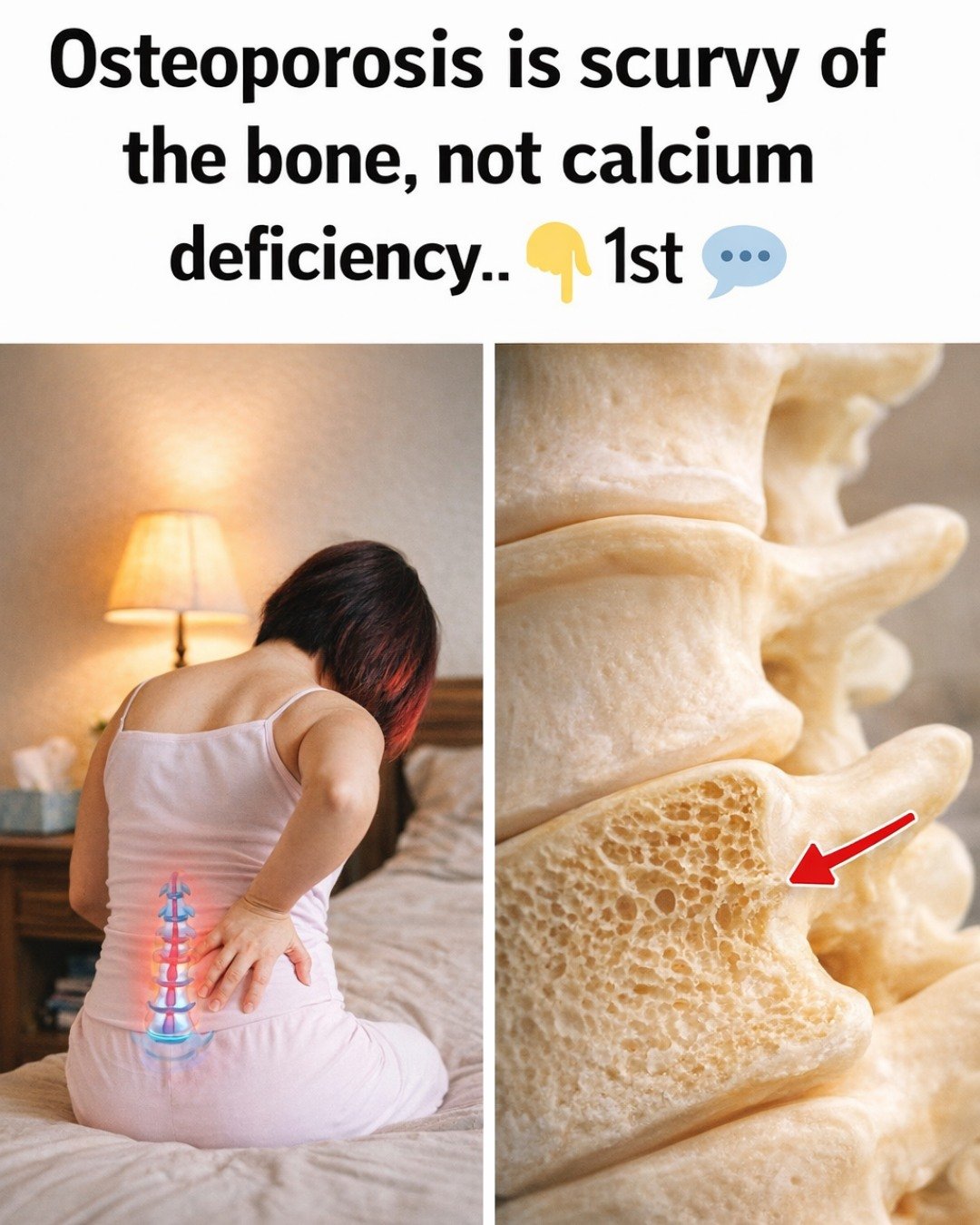
Many people worry about weakening bones as they get older, especially when bone density starts to drop and the risk of breaks increases. This is particularly common in women after menopause, but it can affect anyone. For years, the main focus has been on getting more calcium to keep bones strong. However, emerging insights suggest that bone health involves more than just calcium intake, and low levels of certain nutrients like vitamin C may play a bigger role than previously thought in how bones stay resilient.
What if the key to supporting stronger bones isn’t always piling on more calcium supplements? Research points to vitamin C as a vital player in bone maintenance, often overlooked in traditional approaches. Stick around because we’ll explore why vitamin C matters so much for bone structure and share practical ways to boost it naturally through everyday foods.

Why Bones Weaken Over Time
Bone density naturally declines with age due to slower cell renewal and changes in hormone levels. This leads to porous, fragile bones that break more easily. While calcium gets most of the attention for building bone mineral, bones are living tissue made up of a protein framework called collagen, plus minerals like calcium, magnesium, and phosphorus.
Collagen provides the flexible matrix that holds minerals in place, giving bones both strength and some give to avoid snapping. Without proper collagen formation, even plenty of calcium won’t create truly resilient bones. Studies show that nutrient shortfalls affecting collagen can contribute to weaker bone structure over time.
The Surprising Link Between Vitamin C and Bone Strength
Vitamin C, also known as ascorbic acid, is essential because the body can’t make it on its own. It’s famous for supporting the immune system, but it also acts as a key helper in producing collagen. Research indicates that vitamin C helps stimulate cells called osteoblasts, which build new bone tissue. It also acts as an antioxidant, protecting bone cells from damage caused by everyday oxidative stress.

When vitamin C levels are low, collagen production suffers, leading to a less stable bone matrix. Historical severe deficiency causes scurvy, where bones and connective tissues weaken dramatically, including bone pain and poor healing. While full-blown scurvy is rare today, milder shortfalls may still impact bone health quietly. Epidemiological studies have linked lower vitamin C intake or blood levels to reduced bone mineral density and higher fracture risk, particularly in older adults.
But that’s not the full picture. Other nutrients work together for bone support.

Key Nutrients Beyond Calcium for Bone Health
Vitamin K helps direct calcium into bones by activating proteins that bind it there. You find it in leafy greens like kale and spinach, broccoli, fermented foods, egg yolks, and some meats. Without enough vitamin K, calcium might end up in the wrong places, like arteries.
Vitamin D3 is crucial because it improves how cells absorb calcium and other minerals from food. Sun exposure, fatty fish, fortified foods, and supplements provide it. Balanced levels help maintain bone density by supporting mineral uptake.
Magnesium and phosphorus also contribute to bone crystal formation. A diet short in any of these can throw off the balance, even with adequate calcium.
Concerns with Common Approaches to Bone Support
Many people turn to calcium supplements or medications like bisphosphonates when facing low bone density. Bisphosphonates work by slowing bone breakdown, which can help preserve density short-term. However, long-term use raises questions about side effects, including potential impacts on bone remodeling, jaw issues in rare cases, or atypical thigh bone fractures.
Excess calcium from supplements, especially without balance from other nutrients, may lead to buildup in soft tissues like blood vessels. Some research notes associations with higher risks of heart concerns or kidney stones when intake is very high from pills rather than food.
Diuretics for blood pressure can sometimes affect mineral balance, reducing magnesium and potassium while retaining calcium, which might indirectly influence bones.
The takeaway? Supporting bones works best through a holistic view of nutrition and lifestyle, not relying on one nutrient or drug alone.


Practical Ways to Boost Vitamin C for Bone Support
Here are simple, everyday steps to increase vitamin C naturally:
- Eat plenty of fresh fruits and vegetables daily. Citrus fruits like oranges, grapefruits, and lemons top the list.
- Include berries such as strawberries, kiwi, bell peppers, and broccoli for high amounts.
- Aim for variety to get the full complex of nutrients that work together, including bioflavonoids that enhance vitamin C’s effects.
Whole-food sources provide vitamin C in its natural form, along with cofactors that help absorption and use in the body.
If considering supplements, opt for those derived from whole foods rather than isolated ascorbic acid. Always check labels for unnecessary additives and talk with a healthcare provider, especially if taking other medications.
Lifestyle Habits That Strengthen Bones
Weight-bearing activities make a big difference. Walking, hiking, dancing, or light resistance training with weights or bands signal bones to stay dense. Even 20-30 minutes most days can help slow density loss.
Avoid smoking and limit alcohol, as both interfere with bone renewal. Stay hydrated and maintain a balanced diet overall.
Wrapping It Up: A Balanced Path to Bone Wellness
Supporting bone health as we age goes beyond focusing solely on calcium. Vitamin C stands out for its role in collagen production and bone cell activity, backed by studies linking higher intake to better density and lower fracture odds in some groups. Combine it with vitamin D, K, magnesium, exercise, and mindful habits for a stronger foundation.
Small daily changes, like adding more colorful produce, can make a meaningful difference over time. Listen to your body and work with a professional to tailor what fits your needs.


FAQ
What foods are the best natural sources of vitamin C for bone health?
Citrus fruits, strawberries, kiwi, bell peppers, broccoli, and Brussels sprouts offer high amounts. Eating them fresh maximizes benefits.
How does vitamin C differ from calcium in supporting bones?
Calcium provides the mineral hardness, while vitamin C supports the collagen framework that holds everything together and aids new bone formation.
Is it safe to increase vitamin C through diet if I have low bone density?
Yes, boosting through whole foods is generally safe and beneficial for most people. Consult a doctor before major changes, especially with existing conditions or medications.
Disclaimer: This article is for informational purposes only and not intended as medical advice. Always consult a qualified healthcare professional before making changes to your diet, supplements, or treatment plan, particularly if you have osteoporosis or other health conditions.