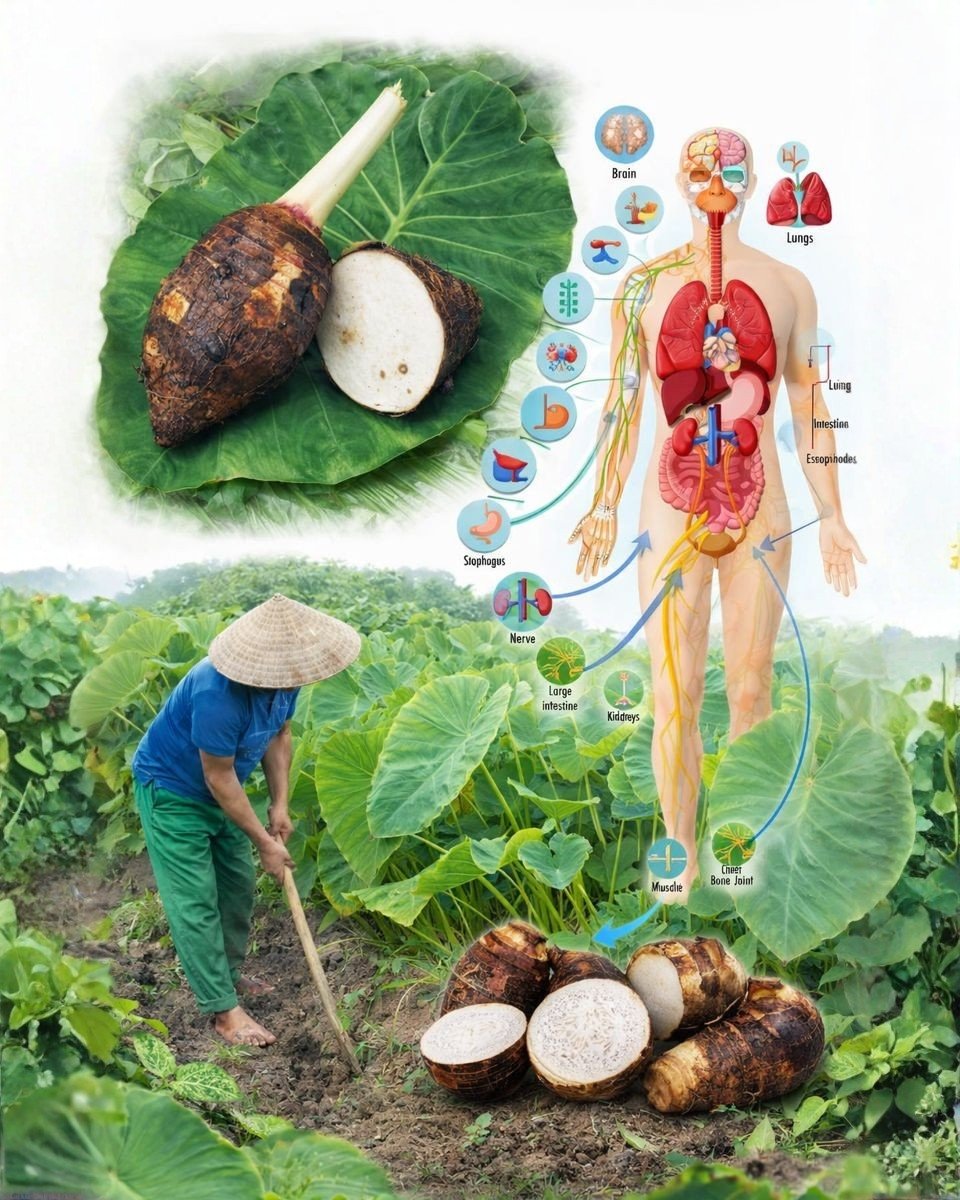
Looking to bring new flavor to your meals while supporting a more balanced lifestyle?
Meet taro root, a tropical treasure that has nourished generations across Southeast Asia and the Pacific Islands—and is now finding its way into mindful kitchens around the world.
With its creamy texture, subtly buttery flavor, and impressive nutritional profile, taro is far more than just another root vegetable. Wrapped in a rustic exterior, it offers gentle, whole-food nourishment that fits beautifully into a conscious approach to eating.
If taro isn’t part of your cooking routine yet, here are plenty of reasons to start.
🌱 What Exactly Is Taro Root?
Taro (Colocasia esculenta) is a tropical tuber cultivated for thousands of years. While it may resemble yams or sweet potatoes, taro stands out for its velvety texture, mild sweetness, and—depending on the variety—beautiful purple hues.
Nutritionally, taro is both comforting and impressive.
Taro Root at a Glance
Dietary fiber – supports digestion and satiety
Potassium – helps maintain fluid and circulatory balance
Magnesium & calcium – support muscles and bones
Vitamins C & E – provide antioxidant protection
Complex carbohydrates – offer steady, long-lasting energy
🧠 5 Science-Backed Ways Taro Supports Everyday Wellness
1️⃣ Encourages Balanced Digestion
Rich in fiber and resistant starch, taro helps support regular digestion and nourishes beneficial gut bacteria. Many people find it promotes comfort, less heaviness, and a smoother digestive rhythm.

2️⃣ Supports Heart-Friendly Habits
The potassium in taro contributes to sodium balance, which is important for circulatory comfort. Its fiber content also supports healthy cholesterol patterns as part of a balanced diet.
3️⃣ Provides Sustained Energy
Unlike refined carbohydrates, taro’s complex carbs are released gradually, helping avoid sharp energy drops and supporting steady vitality throughout the day.
4️⃣ Helps Maintain Bones and Muscles
Magnesium and calcium play key roles in muscle function, nerve signaling, and bone maintenance—especially important as we age.
5️⃣ Supports Immune Balance and Cellular Protection
Thanks to vitamins C and E, taro offers antioxidant support that helps protect cells from everyday oxidative stress.
🍽️ How to Prepare Taro Safely
⚠️ Important: Raw taro is not safe to eat due to naturally occurring calcium oxalate crystals, which can cause irritation. Proper cooking completely eliminates this issue.
🛒 Choosing & Preparing Taro
Select firm roots with no soft spots or mold
Peel carefully (gloves can help if you have sensitive skin)
Rinse thoroughly under running water
🔥 Cooking Methods
Boiled: 15–20 minutes until tender
Steamed: preserves nutrients and enhances creaminess
Roasted: cubed with olive oil at 200 °C (400 °F) for 25–30 minutes

Mashed: with coconut milk or butter for extra richness

🍛 Delicious Ways to Enjoy Taro Root
Versatile and satisfying, taro fits easily into many dishes:
Taro mash: a fiber-rich alternative to mashed potatoes
Baked taro fries: with herbs and a pinch of sea salt
Taro curry: with coconut milk, turmeric, and vegetables
Taro chips: colorful, crunchy, and perfect for snacks
Taro smoothie bowl: blended with banana, coconut milk, and granola
⚠️ Common Mistakes to Avoid
Never eat taro raw
Always wash thoroughly before cooking
Introduce gradually—fiber can be intense at first
Be mindful of rare sensitivities

🧘♀️ Wellness Tips to Get the Most from Taro
Taro works best within a balanced lifestyle:
✅ Stay well hydrated
✅ Pair taro with lean proteins and vegetables
✅ Keep moving—activity supports digestion
✅ Prioritize sleep for recovery and immune balance
🚨 Precautions
Always cook taro fully
If you have a history of kidney stones, consult a professional before large servings
Those on potassium-affecting medications should be mindful of intake
Rare allergies are possible—start with small portions
🌺 Final Thoughts
Taro root isn’t just a trendy purple vegetable—it’s a nutrient-dense, versatile, and comforting food that supports the body from the inside out. Whether you’re looking to improve digestion, enjoy steadier energy, or add variety to your meals, taro can be a valuable ally.
Why not give this root-based classic a place in your weekly menu and experience the taste of tropical nourishment?
💜🥄 Natural, nourishing, and heart-friendly—taro is a true culinary treasure worth exploring.